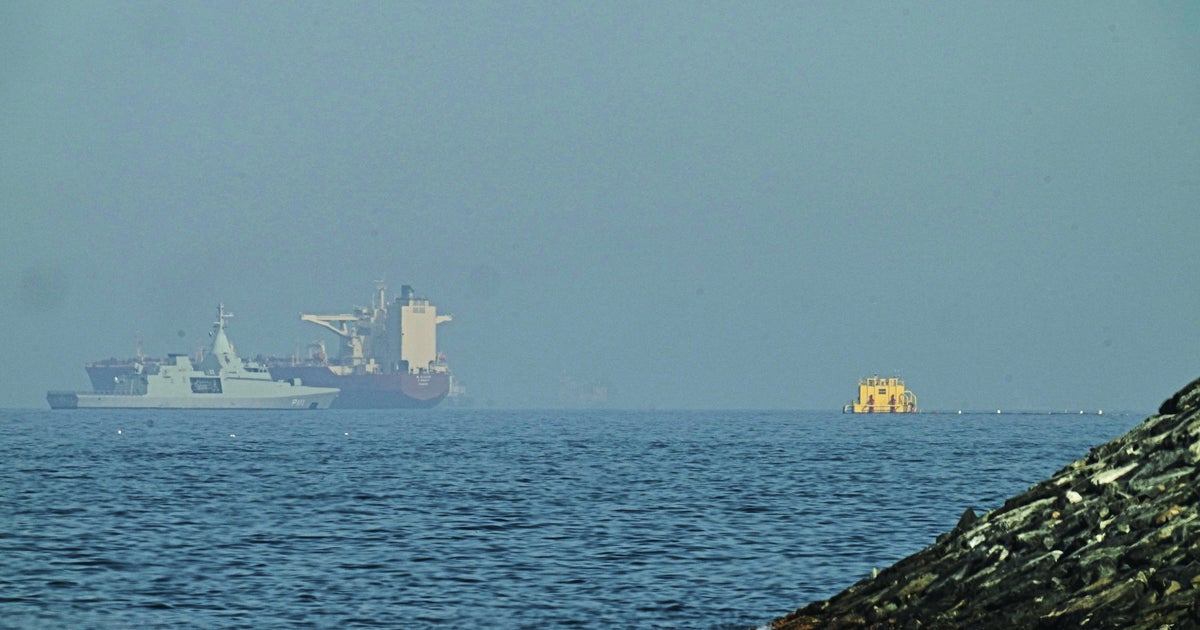
Two U.S. Navy destroyers transited the Strait of Hormuz after facing Iranian small boats, missiles and drones, with defense officials saying all incoming threats were intercepted and neither ship was hit. The incident underscores heightened geopolitical risk around a critical chokepoint for global oil flows, where hundreds of tankers have already been delayed and global oil prices have been pressured higher. The U.S. also said two U.S.-flagged commercial ships crossed successfully under the new 'Project Freedom' initiative.
This is not just a headline risk event; it is an escalation in maritime pricing power. The first-order impact is higher war-risk premia and insurance costs, but the second-order effect is more important: even a limited disruption at Hormuz forces shippers to re-optimize routes, bunker usage, inventory buffers, and contract terms, which can tighten effective tanker supply for weeks after any shooting stops. That tends to support freight rates and crude differentials faster than outright benchmark oil, because the system responds to uncertainty before physical barrels are actually lost. The market is likely underestimating how asymmetric the next 72 hours are. If the U.S. continues escorted transits successfully, the signal is that deterrence is functioning and the risk premium can fade quickly; if another vessel is hit or a commercial casualty occurs, the move shifts from episodic risk premium to a broader availability shock for Gulf exports and regional port throughput. The key vulnerability is not just oil supply, but confidence in Gulf logistics, which can spill into refined-product availability, shipping finance, and industrial delivery schedules across Asia and Europe. The contrarian view is that the strongest price reaction may actually be in the wrong places. Crude can remain range-bound if strategic stock releases and diplomatic backchannels offset supply fears, while marine insurance, tanker day rates, and regional air-defense contractors see more durable repricing. This setup is more favorable for relative-value expressions than outright commodity longs: the market can overpay for near-term oil beta while underpricing the persistence of elevated logistics costs if corridor security remains unstable for several weeks. For investors, the most attractive asymmetry is to own the bottleneck rather than the barrel. If the corridor stays contested, tanker earnings and war-risk pricing can re-rate within days, while energy equities with Gulf exposure may lag because investors assume any spike is temporary. Conversely, if escalation is contained, those same shipping/defense names should keep a floor because the geopolitical regime has clearly shifted from nuisance risk to active interdiction.
AI-powered research, real-time alerts, and portfolio analytics for institutional investors.
Request DemoOverall Sentiment
strongly negative
Sentiment Score
-0.65
