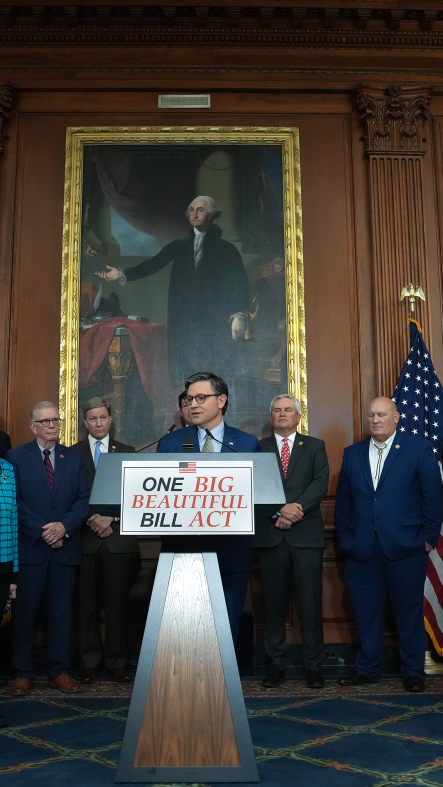
The House passed a significant tax bill extending tax cuts from Trump's first term, following presidential pressure. The Bloomberg article by Will Norris analyzes the bill's details and identifies the primary beneficiaries of these tax extensions.
The U.S. House of Representatives has passed a significant tax bill, described as "huge," which includes an extension of tax cuts initially enacted during Donald Trump's first presidential term. This legislative advancement reportedly followed considerable "presidential arm-twisting," underscoring the political maneuvering involved. According to Bloomberg, an article by Will Norris will provide a detailed breakdown of the bill's provisions and identify the primary beneficiaries of these extended tax cuts. The event is associated with a "moderately positive" sentiment score of 0.4 and a "market_impact_score" of 0.6, suggesting a generally favorable, albeit not overwhelmingly strong, market reaction is anticipated. This development is significant within the context of U.S. fiscal policy, taxation, and domestic politics, and its full implications will become clearer as the specifics of who benefits most are elucidated.
AI-powered research, real-time alerts, and portfolio analytics for institutional investors.
Request DemoOverall Sentiment
moderately positive
Sentiment Score
0.40
