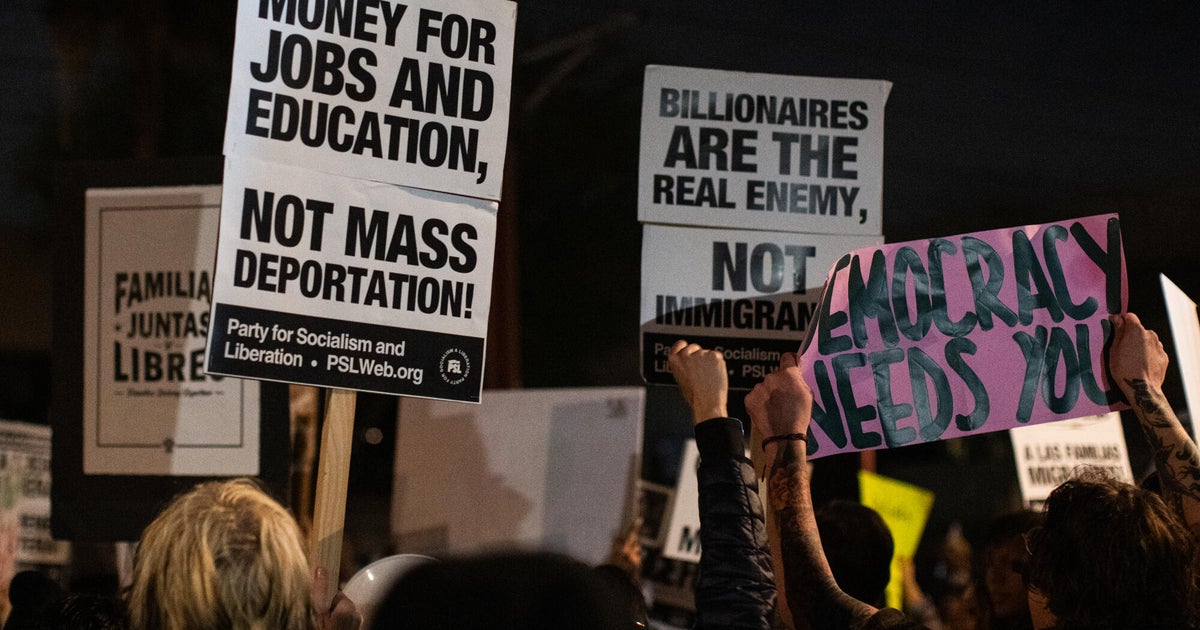
With midterm elections roughly 10 months away, Democrats are centering campaigns on immigration and anti-ICE sentiment after recent fatal shootings involving federal agents, aiming to mobilize voters in competitive districts such as New Jersey's 7th and Texas' 15th. Republicans hold a slim five-seat House majority, so Democrats need a net gain of three seats to flip control; the issue is driving endorsements, calls to defund or abolish ICE, and impeachment measures against administration officials. A new Fox News poll shows 59% of voters view ICE as 'too aggressive' (up 10 points since July) and 55% disapprove of the president’s immigration performance, signaling heightened political risk and potential legislative confrontation on immigration policy ahead of November.
Market structure: Political mobilization around immigration redistributes near-term winners/losers — private-prison operators (GEO, CXW) and direct detention-service suppliers are at higher risk of lost contracts and pricing power, while government-tech and engineering firms exposed to DHS/border programs (PLTR, J, LHX) can either gain or see contract re-sourcing. Local consumer demand shifts in Hispanic-majority districts are incremental for consumer names but meaningful for regional banks and municipal budgets in border states; expect reallocation of government spending rather than broad GDP impact.
Risk assessment: Tail risk includes a Democratic House flip with successful appropriations riders that cut ICE/DHS enforcement budgets — a plausible >30% downside for firms with 60–90% revenue tied to detention contracts within 6–18 months. Short-term (days-weeks) volatility will spike on new incidents or subpoenas; medium-term (3–9 months) legislative moves and appropriations cycles matter; long-term (1–3 years) outcomes depend on durable reform or replacement of enforcement programs. Hidden dependencies: state-level contract terminations, class-action exposure, and DOJ investigations can accelerate revenue loss independent of federal budget outcomes.
Trade implications: Implement concentrated, time-boxed hedges against enforcement-exposure and express asymmetric bets: short private-prison equities/options and reallocate into defense-tech/engineering with government revenue. Options are preferred to limit downside while capturing event-driven moves (3–9 month expiries). Monitor appropriation calendar (DHS funding votes Apr–Oct) and midterm polling — positions should be rebalanced after decisive legislative action or in the week after November voting outcomes.
Contrarian angles: Consensus may underprice speed of state and municipal contract cancellations — activism has historically produced abrupt revenue haircuts (see 2018–2019 private-prison episode). Conversely, markets may have oversold some names already; stock-level due diligence (contract schedules, revenue-by-counterparty >30% threshold) will uncover mispricings. Unintended consequences: reduced ICE federal spending could redirect budgets to alternative vendors (data/IT, local law enforcement), creating pair-trade opportunities (short detention services, long government-tech).
AI-powered research, real-time alerts, and portfolio analytics for institutional investors.
Request DemoOverall Sentiment
neutral
Sentiment Score
0.00
Ticker Sentiment
