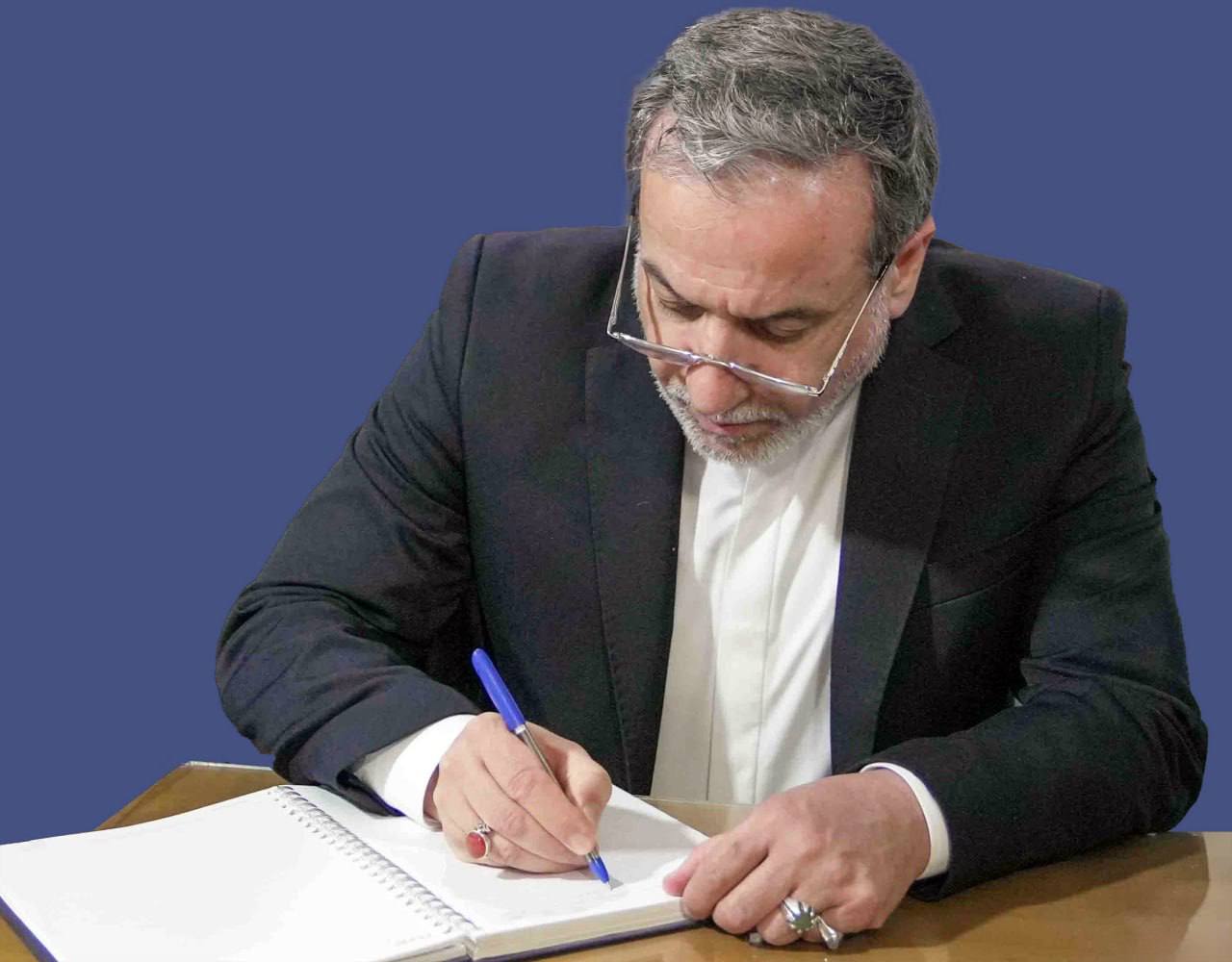
Iranian Foreign Minister Seyyed Abbas Araghchi has formally contested the legality of the 'snapback' mechanism, asserting that the reinstatement of UN Security Council resolutions against Iran, which took effect September 28, is baseless and lacks legal validity under Resolution 2231. This challenge follows the failure of a Russia-China sponsored resolution to prevent the 'snapback,' which had previously lifted sanctions related to Iran's nuclear program. Araghchi argues that neither the UN Secretary-General nor any subgroup can reapply expired resolutions without an explicit Security Council decision, indicating Iran's intent to resist the renewed international sanctions and the potential for military action authorized under the Joint Comprehensive Plan of Action.
Iranian Foreign Minister Seyyed Abbas Araghchi has formally contested the legality of the "snapback" mechanism, asserting that the reinstatement of UN Security Council resolutions against Iran, effective September 28, is baseless and lacks legal validity under Resolution 2231. Araghchi argues that neither the UN Secretary-General nor any subgroup can reapply expired resolutions without an explicit Security Council decision, implying Iran's non-compliance with the renewed sanctions. This stance creates significant uncertainty regarding the enforcement and effectiveness of the reinstated measures.
The "snapback" mechanism was triggered following the failure of a Russia-China sponsored resolution to extend the validity of Resolution 2231 and prevent its activation, with the UN Security Council voting 4 in favor, 9 against, and 2 abstaining. Resolution 2231, adopted in 2015, had previously repealed six resolutions and lifted extensive sanctions related to Iran's nuclear program. The reapplication of these sanctions marks a significant shift in the international community's approach to Iran.
The reinstatement of international sanctions against Iran, coupled with Iran's defiant posture, introduces heightened geopolitical risk, reflected in a "moderately negative" sentiment score of -0.5 and a market impact score of 0.6. This situation could disrupt global energy markets and trade flows, particularly if Iran's non-compliance leads to further escalation. The Joint Comprehensive Plan of Action also authorizes UN Security Council members to take military action against Iran, adding a layer of severe risk to the regional outlook.
AI-powered research, real-time alerts, and portfolio analytics for institutional investors.
Request DemoOverall Sentiment
moderately negative
Sentiment Score
-0.50
