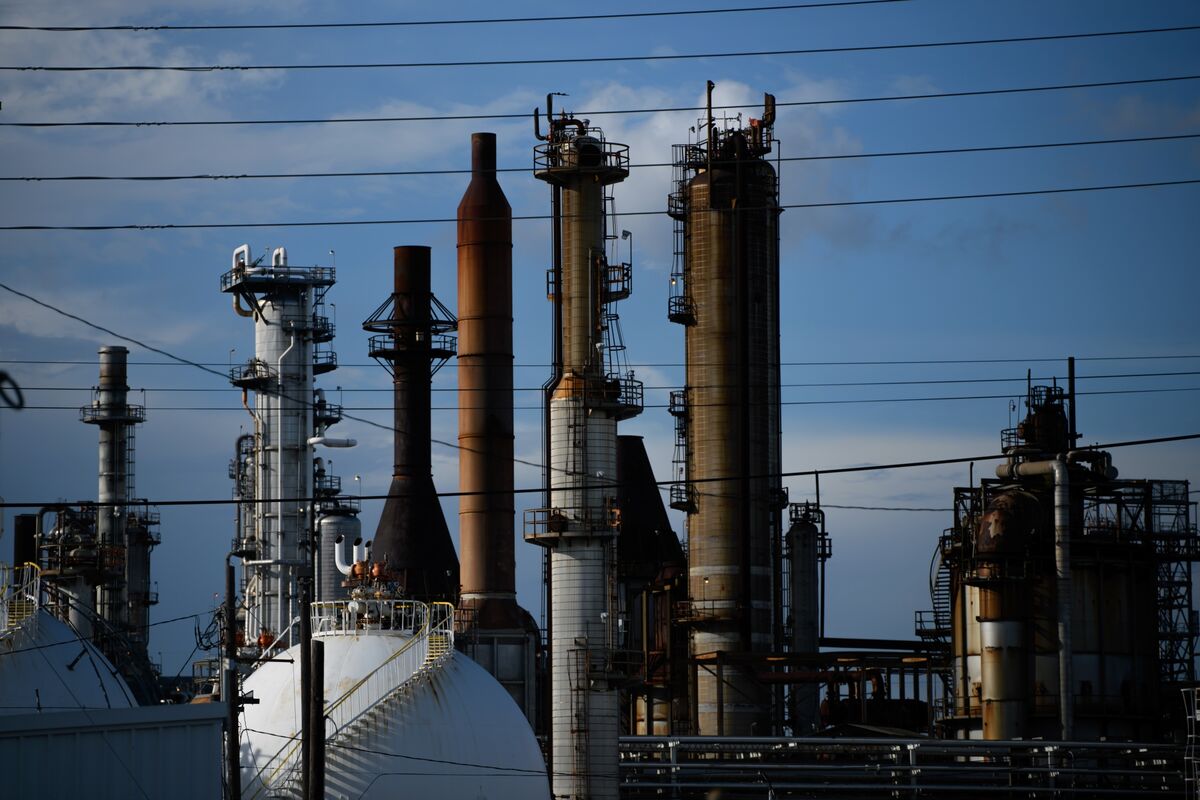
Oil prices edged up, with West Texas Intermediate gaining 1.2% to $65.16 a barrel, partially recovering from a two-day double-digit percentage slump. The modest rebound is primarily driven by market assessment of a stable Iran-Israel ceasefire, which alleviates supply concerns, alongside an industry report indicating declining US stockpiles. This suggests a stabilization in oil markets following recent geopolitical volatility.
Oil prices are exhibiting a modest recovery following a significant two-day decline, with US benchmark West Texas Intermediate rising 1.2% to $65.16 a barrel. This rebound comes after a double-digit percentage slump, which included a drop of over 6% for Brent crude on the preceding Tuesday. The current price action is being shaped by two primary, opposing factors. On one hand, the establishment of an Iran-Israel ceasefire has substantially reduced the geopolitical risk premium, easing concerns over potential supply disruptions from the region. On the other hand, an industry report indicating a decrease in US stockpiles is providing fundamental support, signaling tighter market conditions. This dynamic suggests the market is in a phase of price discovery, balancing the bearish impact of de-escalating Mideast tensions against bullish inventory data.
AI-powered research, real-time alerts, and portfolio analytics for institutional investors.
Request DemoOverall Sentiment
moderately positive
Sentiment Score
0.45
