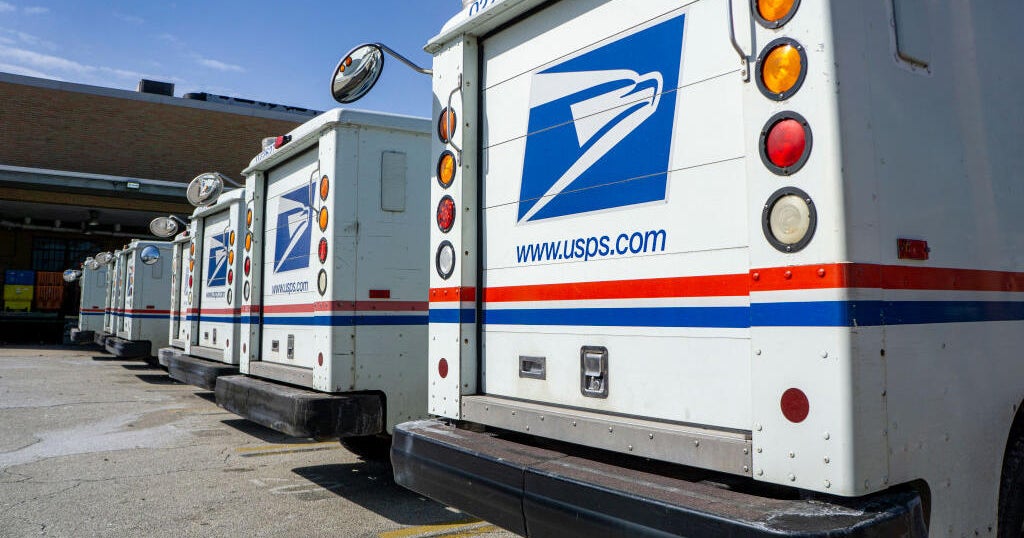
USPS has proposed a rule that would allow handguns to be mailed for the first time since 1927, reversing a long-standing restriction on concealable firearms. The move has triggered opposition from Democratic attorneys general in roughly two dozen states, who argue it would weaken gun-control enforcement, bypass state laws, and complicate gun-crime investigations. Firearm advocacy groups support the change, but the proposal remains under public review before any final rule is adopted.
This is less about immediate volume and more about the re-wiring of the handgun distribution channel. If the rule survives, the economic winner is not a generic parcel carrier; it is the channel that can monetize compliant middle-mile handling, exception management, and verification workflows. UPS and FDX are only modestly exposed on headline package count, but a regulatory loosening that normalizes direct shipment of regulated goods can leak into adjacent categories over time, pressuring their current “licensed-only” posture and forcing either policy hardening or selective participation.
The second-order risk for both carriers is operational, not just reputational. A small number of contentious shipments can create outsized downside via claims, security costs, local regulatory friction, and customer-service complexity, while the upside from incremental revenue is likely low margin and politically noisy. If this becomes a durable rule, expect a gradual rise in shipper demand for chain-of-custody services, age/eligibility verification, and compliance tooling — a subtle benefit to logistics software, screening, and secure-transport vendors rather than the parcel networks themselves.
Timing matters: the near-term setup is mostly judicial and administrative, so the equity impact is likely muted until there is a credible implementation date or injunction risk becomes clearer. The more interesting price action would come from a reversal scenario, where carriers that have already invested in compliance infrastructure avoid negative headlines and may gain regulated-shipper share if the USPS rule is delayed or narrowed. The market is probably underpricing the probability that USPS becomes a politicized enforcement battleground rather than a material earnings contributor, which keeps the direct financial impact small but the headline volatility high.
The contrarian view is that investors may be overestimating how much of this flows to parcel economics at all. USPS is not a commercial peer in the same way UPS/FDX are, and the rule may simply shift a narrow slice of lawful transfers from informal channels into a more supervised one without meaningfully changing shipment density. The bigger implication is that if the federal government weakens long-standing transport restrictions for handguns, it could embolden broader challenges to carrier exclusions on other regulated goods, creating a longer-duration policy overhang for the whole logistics sector.
AI-powered research, real-time alerts, and portfolio analytics for institutional investors.
Request DemoOverall Sentiment
mildly negative
Sentiment Score
-0.15
Ticker Sentiment
