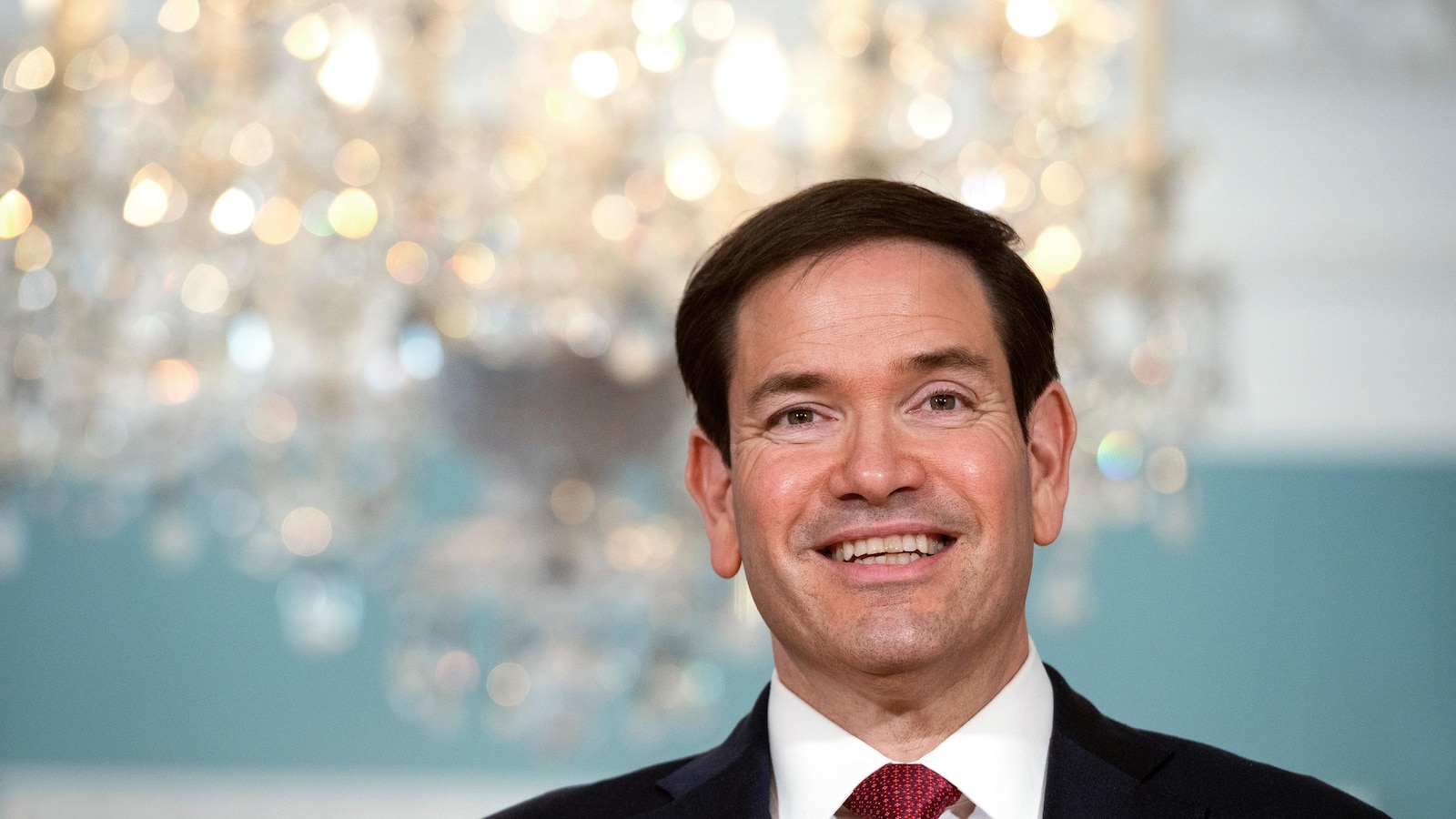
Secretary of State Marco Rubio signaled the Trump administration is prepared to use military force if Venezuela’s interim leadership fails to comply with U.S. demands, citing recent operations including a raid to capture Nicolás Maduro, seizures of sanctioned tankers and dozens of strikes on suspected smuggling boats. The U.S. is moving to normalize ties with acting President Delcy Rodríguez while seeking to open Venezuela’s energy sector to U.S. companies and has notified Congress of intent to send staff to prepare to reopen the embassy; legal and congressional pushback (including a wrongful-death suit and a narrowly defeated war-powers resolution) underscores heightened political and legal risk. For investors, the developments raise a modestly increased geopolitical risk premium on Venezuelan oil and regional stability, potential opportunities for U.S. energy firms if access is secured, and legal/operational tail risks tied to military and enforcement actions.
Market structure: A credible U.S. military threat plus partial diplomatic normalization creates asymmetric winners — U.S. energy majors (XOM, CVX) and oilfield service providers (HAL, SLB) gain optionality to re-enter Venezuelan assets; defense prime contractors (LMT, NOC, RTX) gain near-term order-probability re-rating. Losers include incumbent non‑U.S. energy partners in Venezuela (state-owned counterparties, smaller E&P JV partners) and regional sovereigns reliant on subsidized Venezuelan oil (Cuba); regional EM credit and local FX face widening spreads and capital flight. Pricing power shifts to suppliers that can quickly increase heavy-oil processing and maritime security services; expect upstream re‑negotiation of long-term concessions over 6–36 months.
Risk assessment: Tail risks include a larger kinetic campaign or full blockade that could spike Brent >$30/barrel in weeks (triggering +30–40% energy equities moves) and retaliatory cyber/shipping attacks that disrupt Caribbean transit lanes. Immediate (days) — elevated volatility in oil, USD strength, and EMFX pressure; short-term (weeks–months) — wider sovereign CDS and higher marine insurance costs; long-term (1–3 years) — potential reallocation of Venezuelan production to U.S. contractors if political concessions are enforced. Hidden dependencies: court rulings on wrongful‑death suits and domestic U.S. political backlash could sharply curtail military options and reverse market moves.
Trade implications: Tactical trades should overweight energy and defense while hedging EM exposure. Use options to express directional but capped-risk views (3‑month call spreads on oil/majors). Consider short Latin America equity exposure and buy USD/treasuries as volatility hedges; marine/commodity freight insurers and reinsurance names may see earnings pressure over 3–12 months.
Contrarian angles: Consensus assumes U.S. access to Venezuelan oil is a multi‑year certaintly — that is underdone; legal, local resistance and infrastructure decay could delay meaningful volumes for 12–36 months, muting upside for majors. Conversely, markets may underprice near-term energy supply shocks; a focused, short-duration strike could produce a transitory oil spike that favors short-dated calls over long equity holds. Unintended consequences: aggressive U.S. posture could accelerate non‑U.S. buyers (China, India) to lock crude supply via prepayments, crowding out Western firms and compressing long-term upside.
AI-powered research, real-time alerts, and portfolio analytics for institutional investors.
Request DemoOverall Sentiment
moderately negative
Sentiment Score
-0.40
