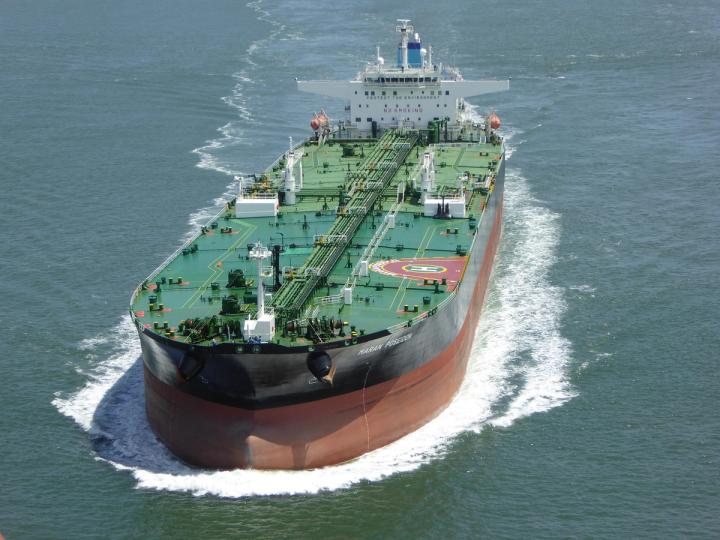
Roughly 40% of Russia’s oil export capacity is offline after Ukrainian strikes, sending WTI to $93.50 and Brent back above $100 and keeping oil prices elevated. That raises sticky inflation risks and boosts the probability of near-term Fed tightening (options flows imply traders are pricing a rate hike within ~two weeks), tightening liquidity conditions. Risk assets are vulnerable: bitcoin traded near $68,500 (down ~2% over 24h) and the $65k–$75k range is exposed to a downside break, increasing downside risk for crypto allocations.
The Ukraine-driven disruption to Russian logistics raises the effective duration of the current oil premium by converting a production shock into a transport/logistics shock; those are harder and slower to fix because solutions are capex- and routing-intensive and can persist for quarters rather than weeks. That lengthens the window for higher headline energy inflation and therefore increases the probability that central banks deliver at least one additional 25–50bp tightening within the next 3 months versus current priced expectations.
For crypto specifically, two offsetting balance-sheet dynamics are converging: (1) miners and other levered BTC holders facing squeezed ASIC economics will be more likely to sell inventory to cover non-mining capex and new AI pivots, creating a steady supply tail; (2) institutional demand (ETF inflows, corporate treasuries) remains large but is more rate-sensitive than before, so flows are elastic to a meaningful move in real yields. The net is asymmetric: relatively small increases in real rates or liquidity drains can cause outsized downward pressure on price because supply-side selling is mechanically immediate while demand can be paused.
Market microstructure amplifiers matter now — elevated rate volatility increases futures basis/funding and options skews, making levered long positions vulnerable to forced deleveraging even if directional conviction is unchanged. That elevates short-term tail risk (days–weeks) while keeping a constructive medium-term narrative intact if inflationary impulses prove transitory (3–12 months).
Tactically, prioritize convex, time-boxed hedges over directional overweights. Tradeable windows where logistics remain impaired are finite (2–6 months before alternate routing or Winter demand seasonality changes), so calibrate sizes to protect carry-rich parts of the book rather than to speculate on a permanent regime shift.
AI-powered research, real-time alerts, and portfolio analytics for institutional investors.
Request DemoOverall Sentiment
mildly negative
Sentiment Score
-0.35
