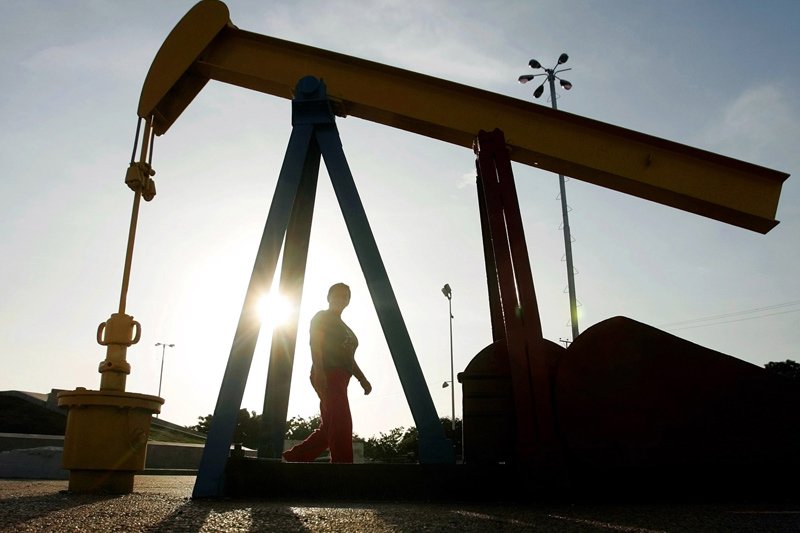
Iceland's CPI rose 5.4% year-on-year in March, the highest level since September 2024. Rising crude oil prices tied to the Middle East conflict and Strait of Hormuz transit disruptions are cited as a driver of higher consumer prices. The central bank raised rates earlier this month and signalled it is likely to deliver another quarter-point (25 bps) hike at its May 20 meeting, reinforcing a hawkish policy outlook.
Disruptions around the Strait of Hormuz are amplifying cost-push pressures through higher freight, insurance and emergency rerouting costs; these increase landed costs and lead times for server components and poised-to-ship systems, giving orderly, vertically integrated suppliers (or those with inventory) short-term pricing power and order-book visibility. For hardware-oriented AI infrastructure providers, that pricing power can translate into outsized near-term gross margins, but it also concentrates revenue into nearer-term delivery windows that are sensitive to shipping volatility and component lead-time squeezes.
Monetary policy is the other amplifier: a shift from “wait-and-see” to tightening by nimble central banks raises the cross-section of beta on growth names, compressing long-duration multiples over months. Consumer-facing, ad-revenue-dependent software firms are the first to feel margin pressure as weaker discretionary spend and higher funding costs bite; conversely, enterprise capex tied to AI/defense spend can be more resilient but not immune to rate-driven multiple contraction.
Key catalysts are binary and time-sensitive: (1) a visible re-routing/convoying solution that restores Strait throughput would remove the oil premium within weeks and favor long-duration growth, (2) escalation that shuts more shipping lanes for months would force durable supply-chain re-pricing and favor suppliers with delivery certainty. Watch the next 30–90 days of maritime insurance rates, shipping times and central bank commentary as the primary market drivers.
Contrarian angle — the market will likely overshoot on persistent inflation: if oil normalizes, the repricing in multiples will reverse rapidly, benefiting app/software growth assets that were sold off. That makes me prefer option-structured exposure to capture asymmetric upside from a conflict de-escalation while limiting outright equity drawdown risk if the hawkish backdrop persists.
AI-powered research, real-time alerts, and portfolio analytics for institutional investors.
Request DemoOverall Sentiment
mildly negative
Sentiment Score
-0.25
Ticker Sentiment
