


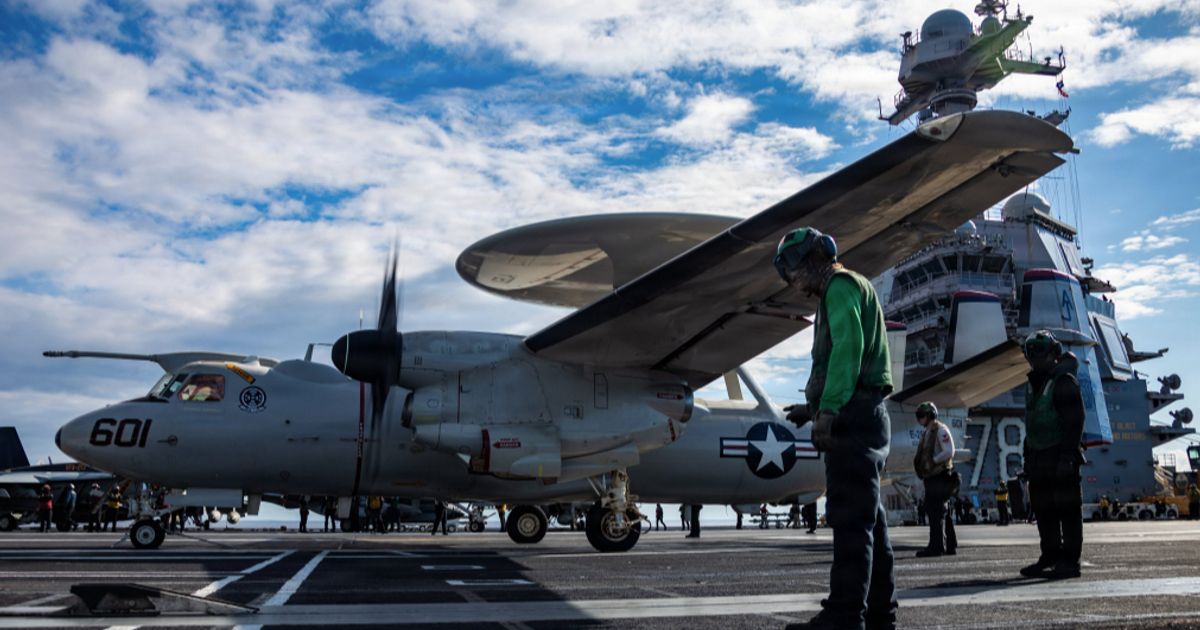
Nasdaq futures slid 2.1% ahead of Tuesday as markets moved decisively into risk-off on a widening Iran conflict, with S&P 500 and Dow futures down ~1.7% and tech names hit hard (Nvidia -2.7% premarket; Micron and Seagate >4%; SanDisk -6.2%). Global benchmarks fell sharply (FTSE -2.5%, DAX -3.7%, Kospi -7.2%, Nikkei -3.1%, Shanghai -1.4%) while WTI crude surged 7.3% to $76.38/bbl after insurance for Straits of Hormuz transits was withdrawn; analysts warn a sustained $10 oil rise could add 0.2–0.5 percentage points to CPI and trim GDP by 0.1–0.3 percentage points, amplifying inflation and growth risks for portfolios.
Market structure: Immediate winners are oil producers (XOM, CVX) and short-term freight/insurance plays as a Strait-of-Hormuz bottleneck reduces effective tanker capacity and lifts WTI to $76.38 (+7% intraday). Losers are high-duration tech (Nasdaq/QQQ, NVDA) and airlines where rerated multiples and demand destruction are priced in; Nasdaq futures -2.1% signals a fast de-risking of growth beta. Supply/demand: shipping insurance pullback tightens seaborne crude flows, creating a supply shock that can persist weeks if insurance markets don’t reopen; semiconductor demand remains secular but near-term cyclical exposure to logistics disruption is real.
Risk assessment: Tail events include full closure of the Strait (low prob, high impact) that could push WTI >$100 within 2–6 weeks, adding +0.5%+ to US CPI and forcing a Fed repricing higher in 1–3 months; an opposite tail is rapid diplomatic de-escalation that snaps energy back and re-rates growth. Hidden dependencies: energy inflation transmission to margins for airlines, logistics, and consumer discretionary; semiconductor fabs depend on marine/air freight for specialty chemicals and tooling. Catalysts to watch: number of insured transits through Hormuz (daily), OPEC+ supply moves, US SPR releases, and next CPI prints (30–45 days).
Trade implications: Near-term defensive posture — buy protection and reallocate to energy/commodity exposure for 2–12 week windows. Use 1–3% portfolio notional sized trades: buy 1-month QQQ put spreads to hedge index downside; enter directional energy via XLE or crude call spreads (e.g., buy CL Jun $80/$95 call spread) to capture >$10 oil move. For individual names, hedge NVDA exposure with 1–2 month 10–15% OTM put spreads; consider shorting high-beta storage/memory names if weakness accelerates.
Contrarian angles: The market may overdo a tech capitulation—NVDA’s structural AI demand can reassert within 3–6 months, so selectively buy long-dated LEAP calls after a 15–25% pullback rather than averaging into intraday volatility. Gold’s muted reaction versus oil suggests USD liquidity and real-yield moves are dominating — if oil spikes above $90 and CPI surprises, gold and TIPS should catch up quickly. Historical parallels (1990 Gulf crisis, 2003 Iraq) show energy-led inflation shocks cause short-term equity drawdowns but rotate capital into cyclicals and energy within 3–12 months.
AI-powered research, real-time alerts, and portfolio analytics for institutional investors.
Request TrialOverall Sentiment
strongly negative
Sentiment Score
-0.70
Ticker Sentiment
