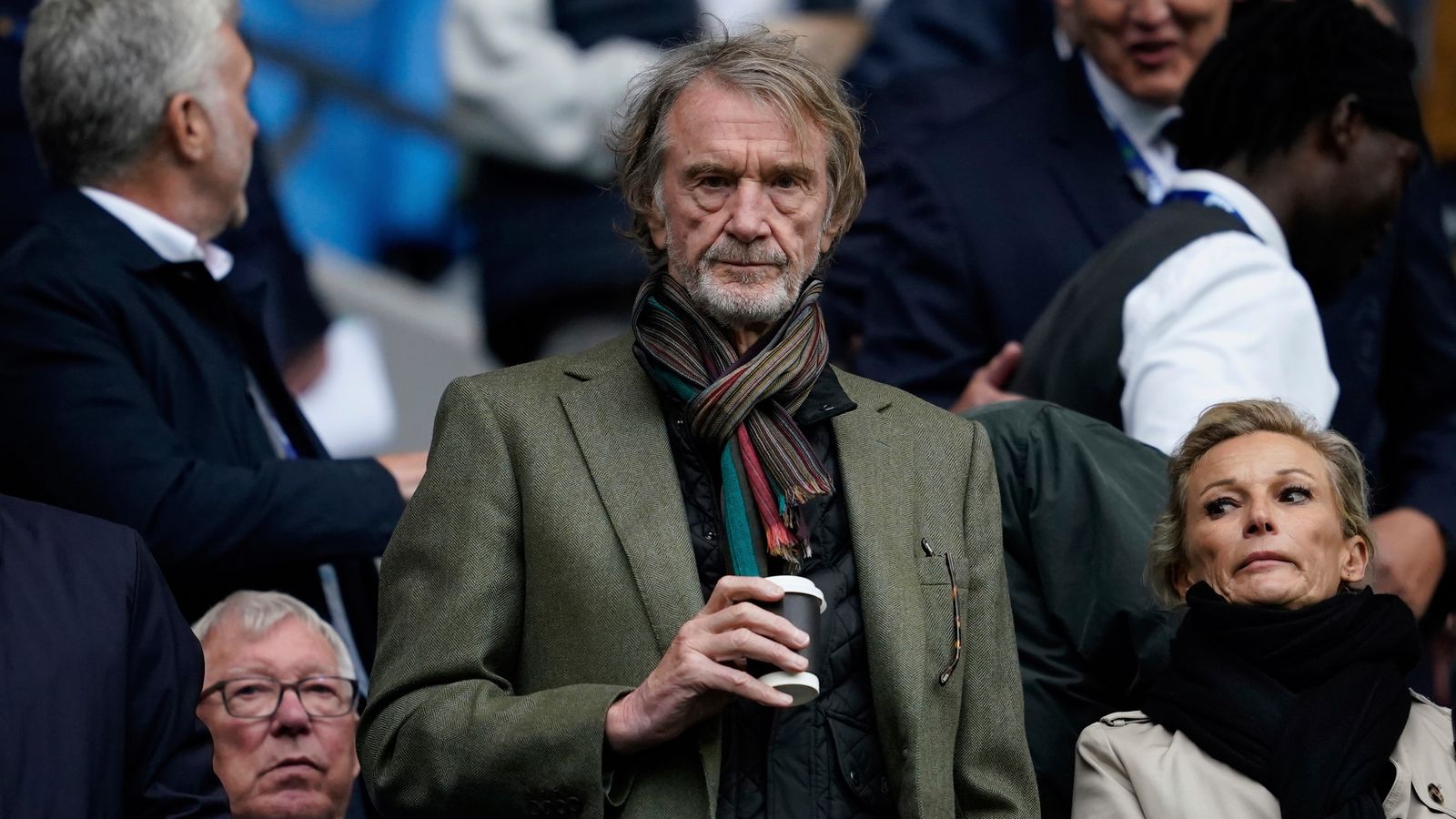
Manchester United issued a statement stressing its commitment to inclusion and diversity after co-owner Sir Jim Ratcliffe described the UK as having been "colonised" by immigrants and later apologised following criticism from Prime Minister Keir Starmer. The club highlighted its All Red All Equal campaign and recent equality initiatives while the Football Association said its legal and regulation team is examining whether Ratcliffe breached Rule E3.1, which can lead to fines. The episode raises reputational and governance questions for the club and its ownership that could draw regulatory scrutiny and investor attention, though no immediate financial figures or sanctions have been announced.
Market structure: The immediate impact is idiosyncratic reputational damage to MANU (short-term sentiment hit ~-3% to -8% likely), with limited competitive transfer to rival clubs because matchday and media revenues are contractually sticky. Sponsors, institutional ESG holders and FA regulatory risk are the direct winners/losers — sponsors and ESG funds risk reputational backlash, while short-term traders and put-buyer flows benefit from higher IV. Cross-asset: expect a small uptick in MANU equity implied volatility (+20–50% short-term), negligible GBP or broader UK sovereign bond moves unless controversy escalates to multi-sponsor withdrawals (>5% revenue impact).
Risk assessment: Tail risks include a major sponsor termination or FA sanction that removes 1–3% of annual revenue or a governance shakeup forcing a resale/strategic pause — low probability (<10%) but >$50m NAV impact. Time horizons: immediate (days) = sentiment/IV shock; short-term (weeks–3 months) = sponsor statements and FA/legal process; long-term (quarters+) = customer base and commercial contracts potentially re-priced only if sponsors exit or governance changes. Hidden dependencies: player/coach morale, global merchandising in key markets (US/Asia) and institutional shareholder votes; catalysts are PM/party political escalation, a formal FA charge (30–90 days), or a sponsor public statement.
Trade implications: Tactical short exposure to MANU (MANU) sized 1–2% NAV with tight stops is the highest-conviction short for 2–6 weeks; use options (3-month put spreads 10%/20% OTM) to cap capital and target a 4–10% equity move. Pair trade: short MANU and long broad sports/media/consumer staples hedge (e.g., add 1–2% long CMCSA or DIS) to isolate idiosyncratic reputational risk. Volatility trade: buy short-dated puts or a 1-month straddle if IV spikes >30% vs 30-day average; close within 7–21 days of resolution.
Contrarian angles: Consensus assumes permanent commercial erosion; history (owner controversies at other clubs) shows most cash flows revert within 3–12 months absent sponsor exits. The market may overprice governance headlines — buy-the-dip trigger: initiate a 1–2% long MANU if share price drops >8% and no sponsor has terminated deals within 30 days, targeting mean reversion over 3–6 months. Unintended consequence: a visible apology and governance concession by INEOS could improve institutional acceptance and produce a >10% recovery rally within two quarters.
AI-powered research, real-time alerts, and portfolio analytics for institutional investors.
Request DemoOverall Sentiment
mildly negative
Sentiment Score
-0.25
Ticker Sentiment
