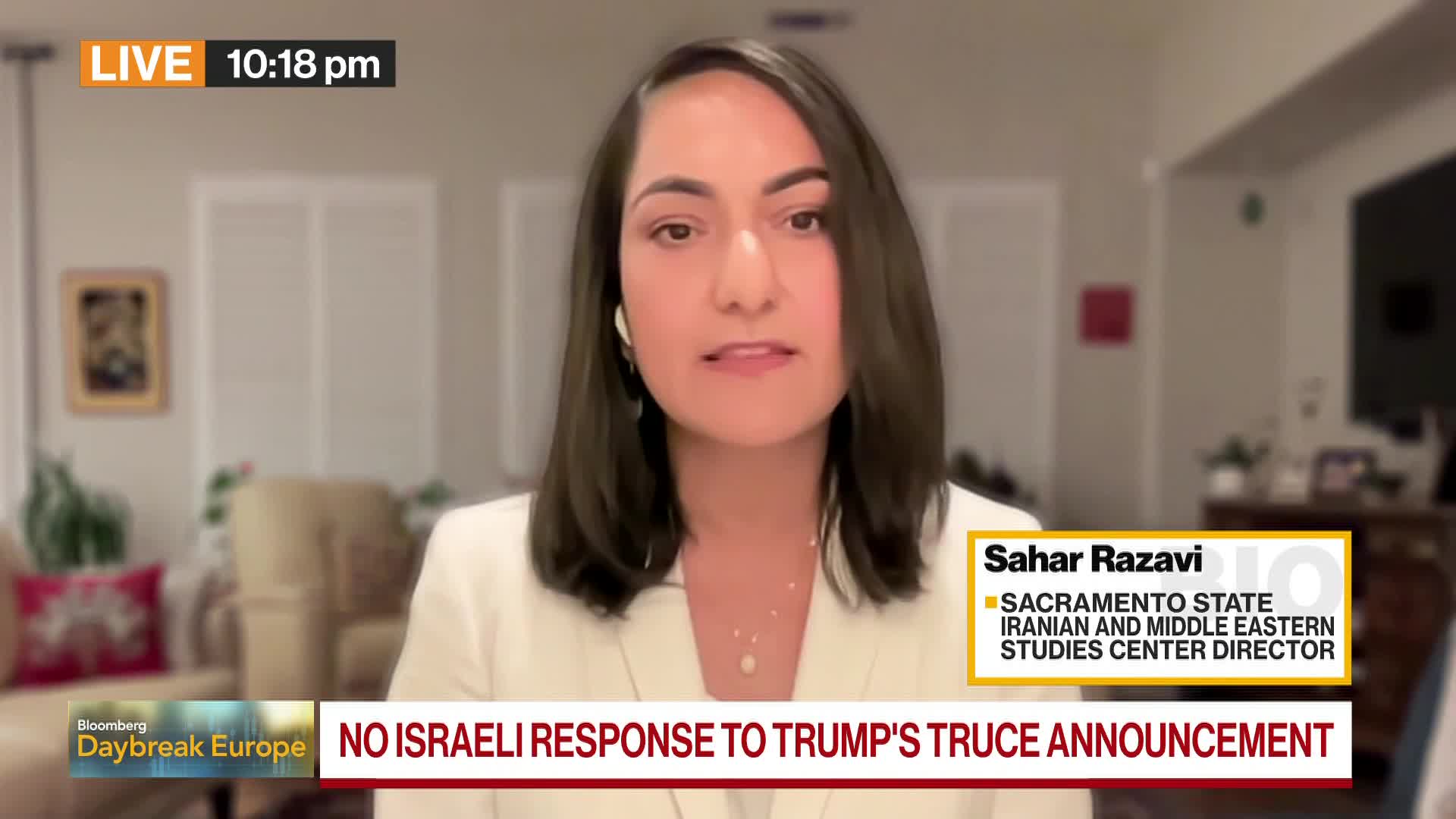
The Israel-Iran ceasefire is reportedly proving confusing to observers, a key assessment from CSU-Sacramento's Sahar Razavi highlighted by Bloomberg. This ambiguity surrounding a significant geopolitical de-escalation event underscores ongoing regional instability, which could affect market risk premiums and investor positioning.
The reported Israel-Iran ceasefire is introducing significant uncertainty into the market, as highlighted by expert commentary from CSU-Sacramento's Sahar Razavi via Bloomberg. The situation is described as 'confusing to observers,' indicating a lack of clear, verifiable information regarding a potential de-escalation in a critical geopolitical hotspot. This ambiguity itself is a material risk factor, as it prevents the market from accurately pricing geopolitical risk premiums. The high market impact score of 0.6, coupled with a neutral sentiment and an 'uncertain' tone, suggests that while an outright conflict is not being priced in, the lack of clarity is fostering an environment of caution and potential volatility. The core issue for investors is the persistent regional instability underscored by this event, which could have swift and significant implications for energy prices, global supply chains, and overall market sentiment should the situation clarify in either a positive or negative direction.
AI-powered research, real-time alerts, and portfolio analytics for institutional investors.
Request DemoOverall Sentiment
mixed
Sentiment Score
0.00
