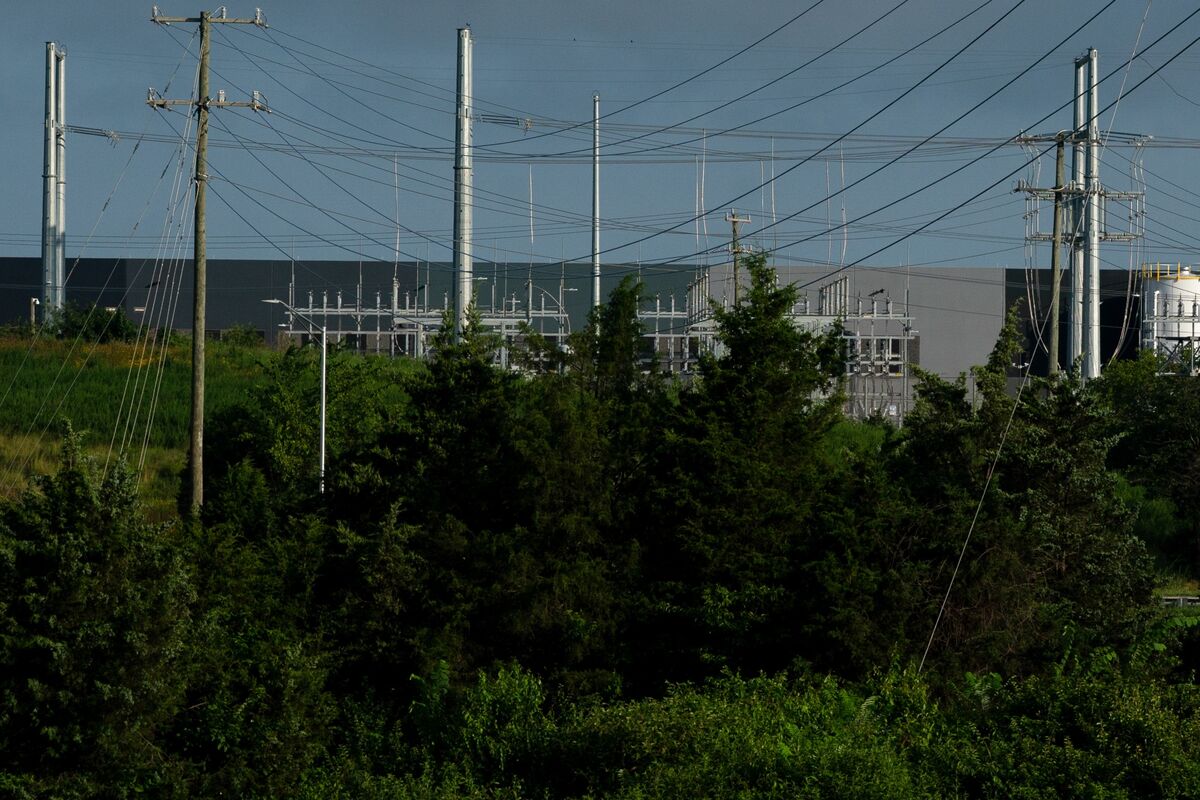
The Odd Lots universe newsletter, helmed by Joe Weisenthal and Tracy Alloway, is set to explore the fundamental nature of artificial intelligence, positing that 'AI Is Really a Physical Story' and drawing an analogy to sport stars. This perspective, part of their daily coverage on markets, finance, and the economy, suggests a focus on the tangible infrastructure and resource demands underlying AI development and its broader economic implications.
The Odd Lots newsletter is signalling a thematic shift in the analysis of Artificial Intelligence, framing it as a 'physical story' rather than a purely digital or software-based phenomenon. This perspective, presented by Joe Weisenthal and Tracy Alloway, suggests an upcoming focus on the tangible infrastructure and resource dependencies underpinning the AI sector. By proposing a 'sport stars analogy,' the authors intend to explore the real-world inputs and constraints, which likely include energy consumption, data center real estate, cooling solutions, and the semiconductor supply chain. This analytical angle moves beyond typical discussions of algorithms and models to the core industrial and economic requirements for AI's expansion, highlighting potential bottlenecks and second-order investment opportunities in physical assets and commodities.
AI-powered research, real-time alerts, and portfolio analytics for institutional investors.
Request DemoOverall Sentiment
neutral
Sentiment Score
0.00
