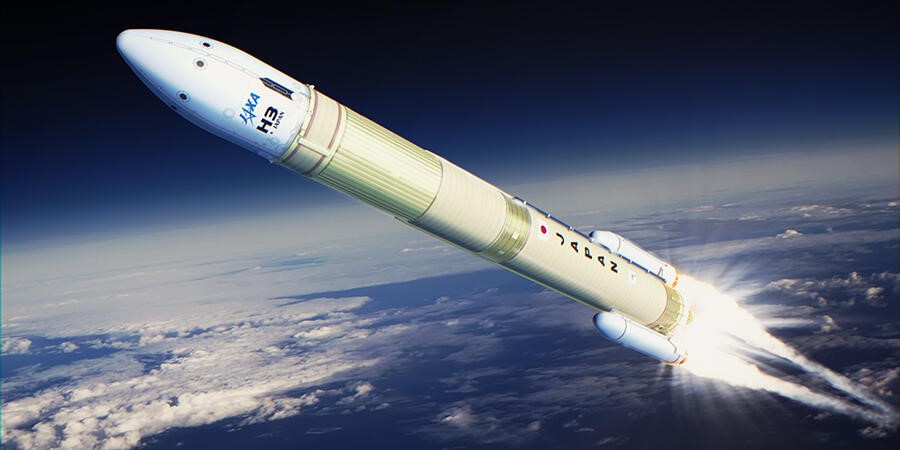
Japan’s H3 medium‑lift rocket experienced its eighth flight failure after the second stage engine’s second ignition failed to start normally and shut down prematurely, prompting JAXA to form a Special Task Force. The mission carried QZS‑5, a satellite intended to join Japan’s seven‑satellite navigation constellation, and the failure raises the H3 program’s failure rate to 25%, threatening schedule and reliability for strategic projects such as the LUPEX lunar lander (planned with ISRO in 2027). Investors should monitor potential program delays, procurement and insurance exposures, and implications for contractors and Japan’s ambitions to reduce reliance on foreign navigation services.
Market structure: H3's 25% failure rate immediately reduces its commercial credibility and shifts pricing power to reliable providers (SpaceX, ISRO/LVM3, Arianespace). Direct losers: Mitsubishi Heavy (7011.T) and Japanese tier-1 suppliers who face deferred or cancelled international contracts; direct winners: ISRO (operational credibility) and customers able to switch providers (ASTS materially benefits from an on‑time LVM3). Expect 12–24 month reallocation of 20–40% of contested payloads away from H3 if fixes are not demonstrated within two launches.
Risk assessment: Tail risks include Japanese government scaling back H3 funding or key customers switching permanently, each causing >30% revenue downside for exposed suppliers over 12–36 months. Near-term (days): equity knee‑jerk moves and implied-vol spikes; short-term (weeks–months): contract re-pricing and insurance premium increases (potential +10–30% for launches); long-term (quarters–years): strategic procurement shifts and possible state subsidies restoring competitiveness. Key hidden dependency: political willingness to underwrite program risk — a bailout would cap downside but mute competitive discipline.
Trade implications: Tactical direct play — establish a 2–3% long position in ASTS ahead of the LVM3 launch (target +30–50% on success; stop‑loss -15% intraday on failure), or buy ASTS Jan‑2026 25% OTM call spread sized to 0.5–1% portfolio. Hedge/short: initiate a 1–2% short or buy 6–12 month puts on 7011.T given near-term order risk; pair trade long ASTS vs short 7011.T for relative exposure. Sector rotation: overweight satellite communications and ISRO-aligned service providers, underweight Japanese rocket primes for next 3–12 months.
Contrarian angle: The market may overprice program failure — H3 has eight flights (small sample); if JAXA’s Special Task Force (report expected 30–90 days) identifies a fixable second-stage ignition defect, recovery could be swift and parts of the sell‑off retrace. Set re-entry: if 7011.T declines >20% from current levels and Japan announces a credible remediation plan within 90 days, add a recovery-weighted long up to 2% with 12‑18 month horizon. Watch for unintended consequence: customer concentration shifting to ISRO creates geopolitical procurement risk that may favor diversified launch partners.
AI-powered research, real-time alerts, and portfolio analytics for institutional investors.
Request DemoOverall Sentiment
moderately negative
Sentiment Score
-0.45
Ticker Sentiment
