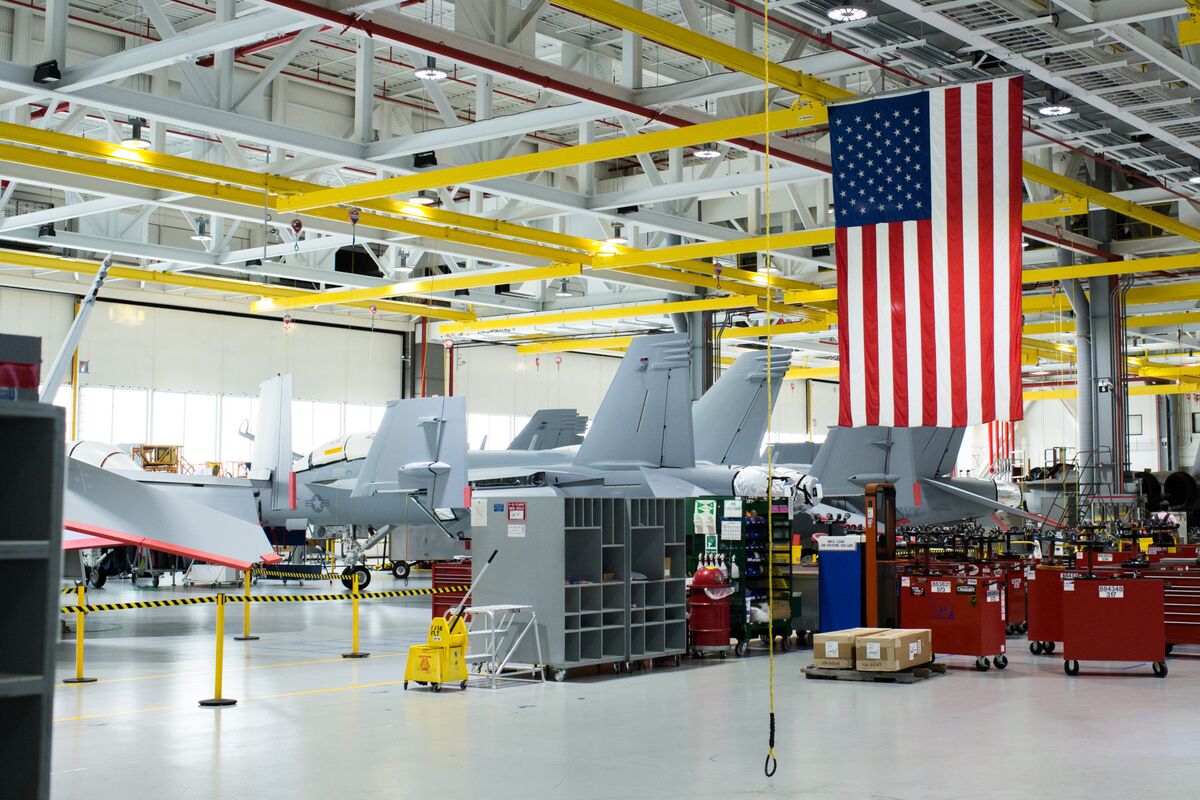
Boeing Co. is bracing for its first strike at St. Louis-area defense factories since 1996, as approximately 3,200 Machinists union members rejected a modified contract offer that included a 20% wage increase and boosted retirement contributions. This impending walkout, set for midnight local time, signals potential disruptions to defense production, recalling the 99-day stoppage of the last strike.
Boeing Co. faces a significant operational disruption at its St. Louis-area defense factories with an impending strike by approximately 3,200 Machinists, the first such labor action since 1996. The union's rejection of a contract that included a substantial 20% wage increase and enhanced retirement contributions signals a material disconnect between labor expectations and management's offer. This situation introduces considerable uncertainty, particularly given the historical precedent of the 1996 strike which lasted 99 days. A prolonged work stoppage could directly impact production schedules and revenue generation within Boeing's critical defense segment, a risk reflected in the strongly negative sentiment score (-0.8) specifically assigned to the company's ticker (BA). The event highlights potential challenges in the firm's labor relations and management, a key consideration for its overall governance and operational stability.
AI-powered research, real-time alerts, and portfolio analytics for institutional investors.
Request DemoOverall Sentiment
moderately negative
Sentiment Score
-0.60
Ticker Sentiment
