
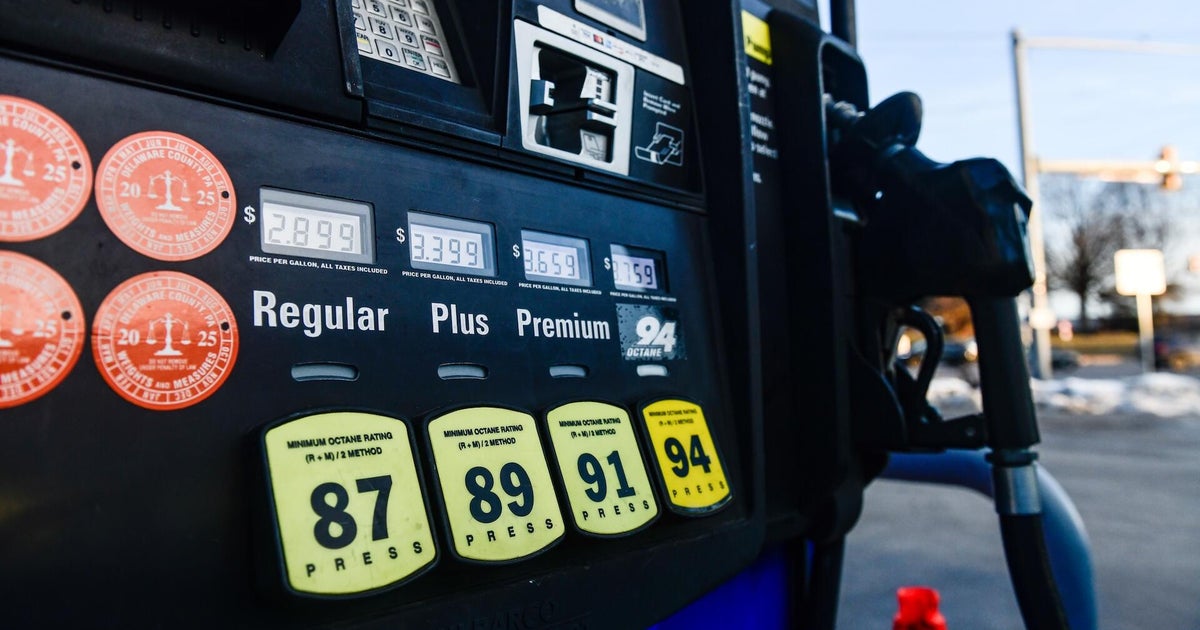
Global equity futures opened sharply lower as the Iran war stoked fears of supply disruptions and sent oil sharply higher (U.S. crude +$3.24 to $74.47/bbl, Brent +$3.56 to $81.30/bbl), with S&P 500 futures down ~1.5% and Dow futures ~1.6%. Airline names (American, United, Delta) fell about 3% in premarket trade as higher fuel costs and regional airport closures weigh, while major indexes in Europe and Asia plunged (CAC 40 -2.2% to 8,207.10; DAX -2.9% to 23,935.62; FTSE 100 -2.2% to 10,546.30; Nikkei -3.1% to 56,279.05; Kospi -7.2% to 5,791.91). Currency moves were modest (USD/JPY ~157.53; EUR $1.1627), and strategists warn the shock becomes materially durable for equities only if oil rises much further (e.g., north of $100/bbl).
Market structure: Immediate winners are integrated oil majors and energy infrastructure (XOM, CVX, XLE) and defense contractors; immediate losers are airlines (AAL, UAL, DAL), travel/leisure and energy‑importing markets (Japan, Korea). A sustained disruption around the Strait of Hormuz (≈20% of seaborne crude) would shift pricing power to producers and traders, pushing Brent toward $90–$120 if outages persist beyond 4–8 weeks. Elevated shipping war‑risk premiums and higher bunker costs compress margins for passenger and cargo carriers, while producers monetize higher realized prices.
Risk assessment: Tail risks include a prolonged closure of Hormuz or escalation to state vs. state conflict causing Brent > $100 for months, widespread insurance exclusion of Gulf shipping, or sanction-driven secondary effects on banking/clearing. Time horizons: days—heightened volatility and FX moves (JPY weakness); weeks—sustained oil shocks raise CPI and pressure EM/JPY; quarters—capex reallocation to energy/defense and structural supply tightening if investment resumes. Watch hidden dependencies: OPEC+ spare capacity (<~3 mb/d), SPR releases, and insurance rerouting costs; catalysts are diplomatic deals, IEA/Saudi announcements, and corporate fuel‑hedge roll dates.
Trade implications: Favor a tactical overweight to energy via XLE/XOM (2–4% portfolio) and defined‑risk oil call spreads (3‑month $80/$95) sized 0.5–1% to capture supply shocks; establish put spreads on AAL/UAL (3‑month) equal‑weighted 1–2% as downside insurance. Hedge macro risk with 1–2% long TLT (flight‑to‑quality) and 1% long GDX (gold miners) against stagflation. Use stop/triggers: trim energy longs if Brent falls below $75 for 14 days; cover airline shorts if Brent stabilizes < $80 for 10 trading days.
Contrarian angles: The market may be overpricing permanence—since 2000 many large one‑day spikes faded; if Brent fails to hold >$90 for four weeks, cyclicals and Asian markets (Kospi) historically rebound sharply—presenting selective repurchase opportunities. Mispricings: Korea/Japan selloffs (Kospi down >7%) create entry points for exporters if shipping lanes reopen. Unintended consequence: sustained higher energy will accelerate sovereign defense spending and renewable investment, benefitting defense and select industrials over 12–36 months.
AI-powered research, real-time alerts, and portfolio analytics for institutional investors.
Request TrialOverall Sentiment
strongly negative
Sentiment Score
-0.65
Ticker Sentiment
