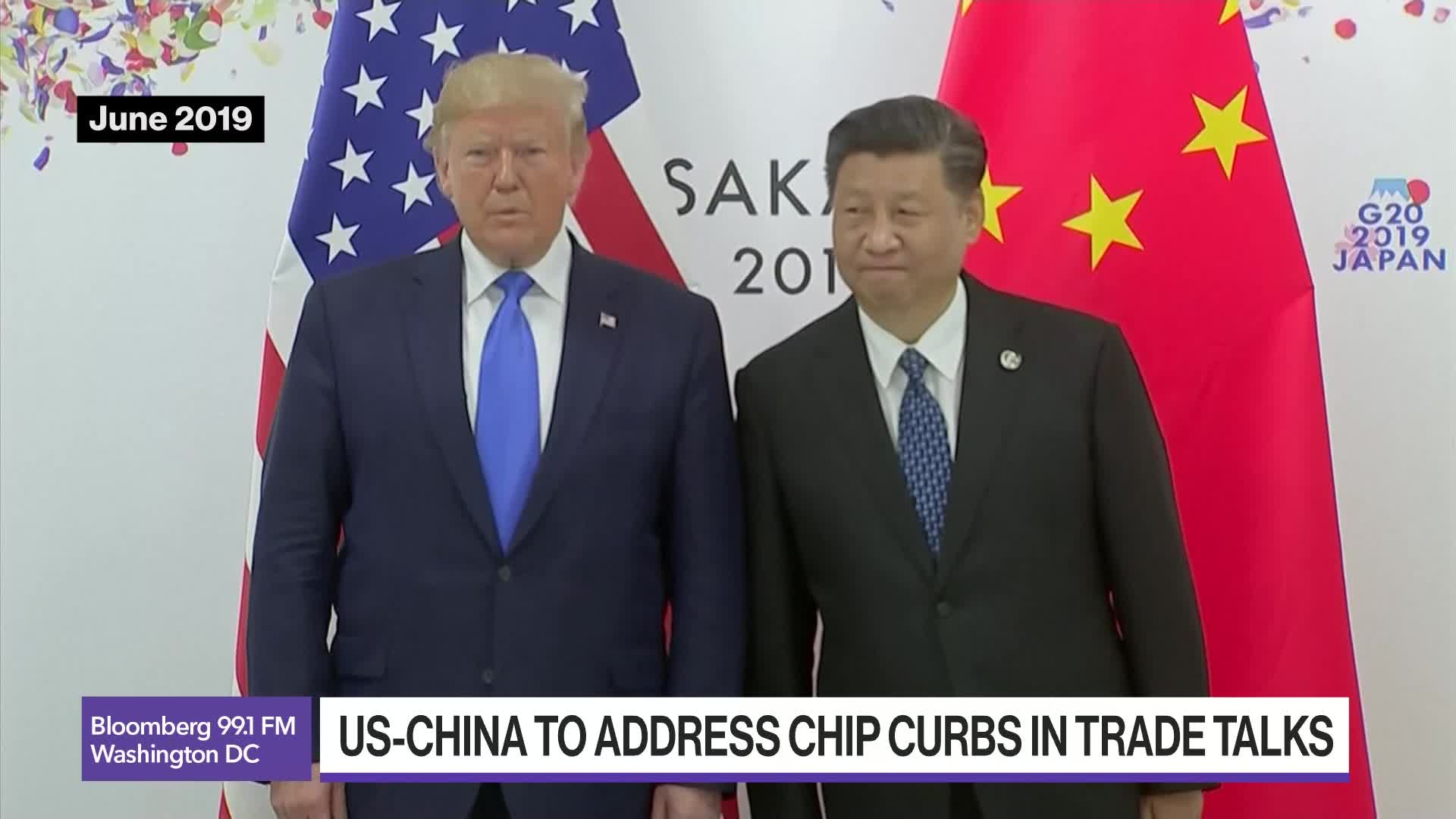
The U.S. may consider easing restrictions on certain technology exports to China in exchange for improved access to critical minerals, according to Nazak Nikhahtar, former assistant secretary for industry and analysis at the International Trade Administration. This potential shift in trade policy reflects the U.S.'s strategic interest in securing supply chains for essential resources amid ongoing geopolitical competition.
The suggestion by a former U.S. trade official, Nazak Nikhahtar, that the U.S. might ease some technology export restrictions to China in exchange for greater access to critical minerals signals a potential, albeit speculative, recalibration of U.S. trade strategy. This notion, characterized by a moderately positive sentiment (0.4) and a moderate market impact score (0.55), underscores the acute U.S. strategic interest in securing supply chains for essential raw materials, particularly those where China holds a dominant position. If pursued, such a policy could represent a pragmatic approach to resource diplomacy, directly linking technology controls—a key lever in the U.S.-China tech rivalry—to the acquisition of minerals indispensable for advanced industries. The development touches upon core themes of Trade Policy & Supply Chain resilience, Sanctions & Export Controls flexibility, future Technology & Innovation pathways, and access to critical Commodities & Raw Materials.
AI-powered research, real-time alerts, and portfolio analytics for institutional investors.
Request DemoOverall Sentiment
moderately positive
Sentiment Score
0.40
