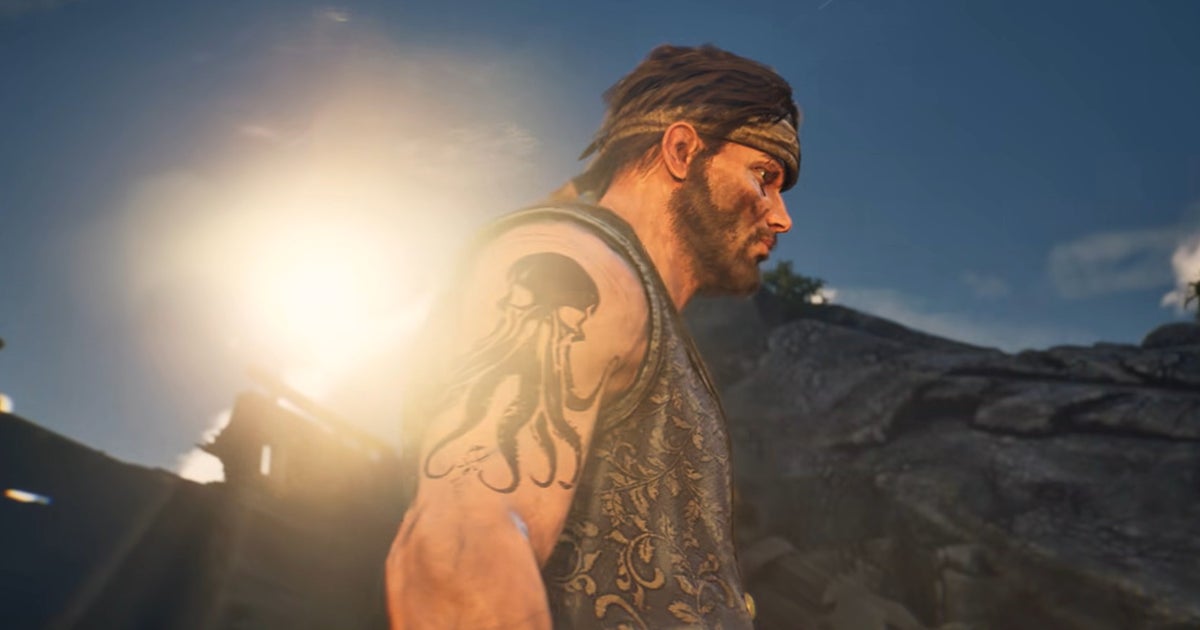
Windrose sold 1 million copies in just six days and reached 200,000 concurrent players shortly after its early access launch, signaling exceptionally strong consumer demand. The developer says player feedback drove a pivot from free-to-play MMO to a premium 1-4 player title, and the reception appears to have validated that strategy. The news is positive for Kraken Express, though likely more important as a company and game-specific momentum update than a broader market mover.
The key signal here is not the launch itself but the quality of demand conversion: a premium title that was expected to behave like a niche survival-crafting product is already showing mass-market network effects, which usually only appear when creator content and streamer visibility turn the game into a social event rather than a purchase decision. That matters because the first 1-2 weeks after launch are when the market re-prices lifetime sales assumptions; if concurrency remains elevated after the novelty window, the title can still compound through word-of-mouth and discount-free wishlists rather than relying on a launch spike. The bigger second-order effect is on the broader indie publishing stack. A successful pivot from free-to-play MMO to focused premium co-op validates a capital-light, lower-content-risk model: smaller team, fewer live-ops obligations, better margin profile, and much lower content burn than a service game. That should pressure adjacent developers still chasing heavy MMO ambitions, while benefiting middleware, co-op infrastructure, and content-creation ecosystems that monetize player-driven discovery. The main risk is that early access engagement is front-loaded and mechanically fragile: bugs, balance issues, or server instability can collapse review momentum quickly, especially when a game’s appeal depends on social play and emergent humor. The market should watch retention over the next 2-6 weeks, not headline units, because the real question is whether the game sustains a high attach rate to its streamer audience once novelty fades. If concurrency normalizes sharply while reviews soften, this turns from a breakout into a one-quarter revenue pop. Contrarian read: the consensus is probably underestimating the optionality embedded in a hit premium indie. A title that clears 1m units in under a week can justify sequels, DLC, cosmetics, and console ports far beyond the initial PC launch, but only if the developer preserves community goodwill and avoids over-monetization. The asymmetry is that upside is multi-year franchising, while downside is mostly execution-related and arrives fast.
AI-powered research, real-time alerts, and portfolio analytics for institutional investors.
Request DemoOverall Sentiment
strongly positive
Sentiment Score
0.82
