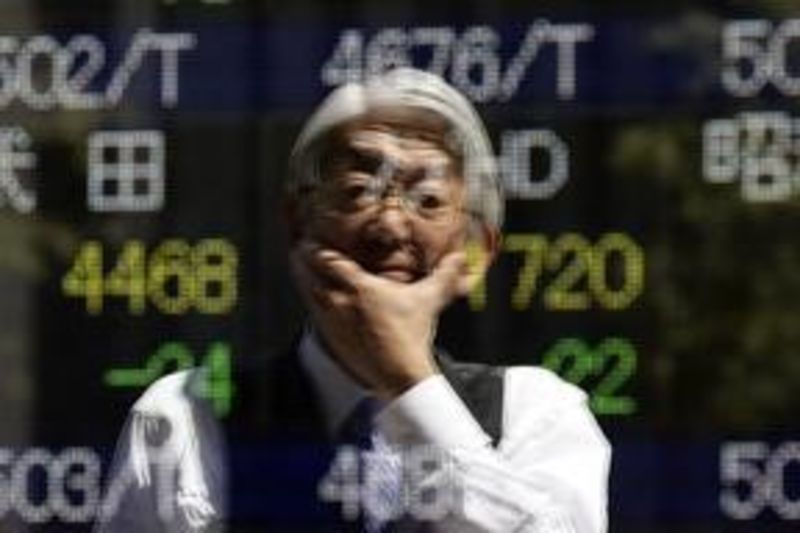
Asian stocks traded mixed as Japan's Nikkei fell 0.3% due to a surprise trade deficit impacted by U.S. tariffs, while Australia's ASX 200 rose 0.8% following a dovish RBA rate cut and gains in energy and gold stocks. Chinese markets saw gains after recent lending rate cuts, though concerns over U.S. chip restrictions limited upside. Investors remain cautious due to geopolitical tensions and uncertainty surrounding U.S. trade policies and their impact on inflation and economic growth.
Asian equity markets exhibited a mixed performance, influenced by a confluence of regional economic data, central bank actions, and persistent geopolitical and trade-related anxieties. Japanese markets, specifically the Nikkei 225 which fell 0.3%, reacted negatively to an unexpected trade deficit in April, largely attributed to the impact of U.S. tariffs on export growth, even as imports remained resilient following springtime wage increases; this development precedes upcoming U.S.-Japan trade negotiations where Tokyo maintains a firm stance against tariffs. Conversely, Australia's ASX 200 surged 0.8% to a three-month high, buoyed by gains in energy and gold stocks which benefited from heightened geopolitical tensions after reports of Israel's potential plans concerning Iran's nuclear facilities, and further supported by a dovish 25 basis point interest rate cut by the Reserve Bank of Australia, which also signaled softer inflation and economic growth. Chinese markets, including the Shanghai Shenzhen CSI 300 and Shanghai Composite (up 0.6% and 0.3% respectively), extended gains following further lending rate cuts by the People's Bank of China aimed at bolstering economic support, though upside was constrained by renewed U.S.-China trade friction, particularly concerning U.S. restrictions on Chinese computing chips, including those from Huawei. Investor sentiment across the region remained cautious, underscored by a soft overnight session on Wall Street where the S&P 500's rally paused, a recent U.S. credit rating downgrade by Moody's, and warnings from Federal Reserve officials that trade tariffs could sustain inflation and prolong unchanged interest rates. The overall market sentiment is neutral with a cautious tone, reflecting these multifaceted uncertainties and the potential for increased volatility.
AI-powered research, real-time alerts, and portfolio analytics for institutional investors.
Overall Sentiment
Neutral
Sentiment Score
-0.10
Ticker Sentiment
