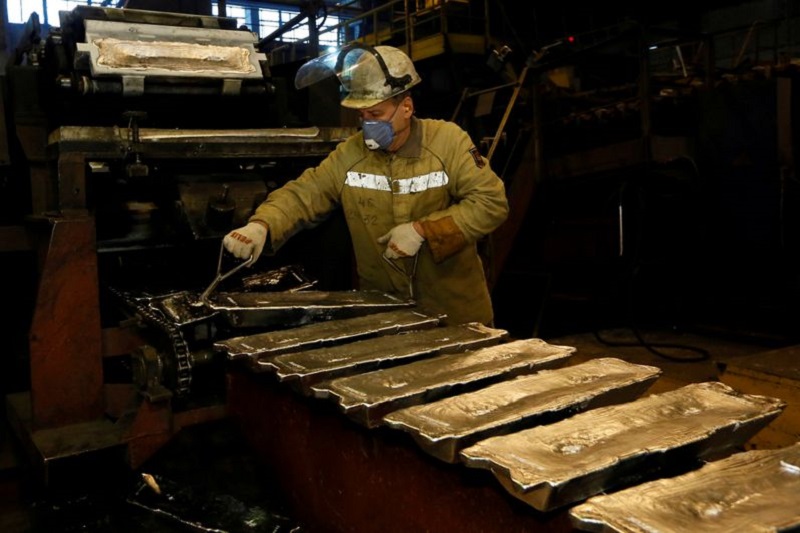
LME three-month aluminium jumped to $3,440.25/mt after Iranian missile and drone strikes damaged Emirates Global Aluminium and Aluminium Bahrain smelters, tightening supply from producers representing roughly 9% of global output. Major miners and smelter-exposed stocks rallied (Rio Tinto +3.5% to 6,771 pence; Alcoa +7.9% pre-market to $63; Century Aluminum +8.5% pre-market; Rusal +3.9%) as shipping constraints and an effective closure of the Strait of Hormuz limited exports. The strikes and related trade-route disruption are driving commodity price volatility (oil also noted above $115/bbl) and pose a material sector-wide supply shock with broader market implications.
Primary aluminum is the most leverage-heavy part of the metals complex — small disruptions in capacity translate to outsized cashflow swings at pure-play smelters because of high fixed costs and multi-month restart times for potlines. Expect volatility to persist for weeks as buyers scramble for allocation and physical premiums widen; however, the market's elasticity hinges on three transmission mechanisms: scrap substitution, Chinese export response, and shipping route normalization.
Scrap dynamics are the most likely near-term governor: every $100/ton move in primary metal changes the spread vs. scrap enough to pull incremental secondary supply within 4–12 weeks, capping a sustained spike unless primary outages persist. Over a 3–9 month horizon, Chinese production and inventory re-deployment are the wildcard — if Chinese exporters move ~1–2Mt of metal overseas, global tightness can unwind quickly; if domestic policy or energy constraints prevent that, premiums will remain elevated and force longer-term capacity reallocation.
For equities, differentiated exposure matters: low-cost, diversified miners and integrated players will capture margin upside with less operational risk than single-site smelters, while smaller pure-play producers show the highest beta to spot moves but also carry the greatest outage and financing risk. The largest reversal catalyst is a credible, fast repair/ceasefire sequence or an unexpected surge in scrap flows; absent either, position sizing should assume a 30–50% intraday volatility band and a conditional 20–40% move in high-beta smelters over 3 months.
AI-powered research, real-time alerts, and portfolio analytics for institutional investors.
Request DemoOverall Sentiment
moderately positive
Sentiment Score
0.35
Ticker Sentiment
