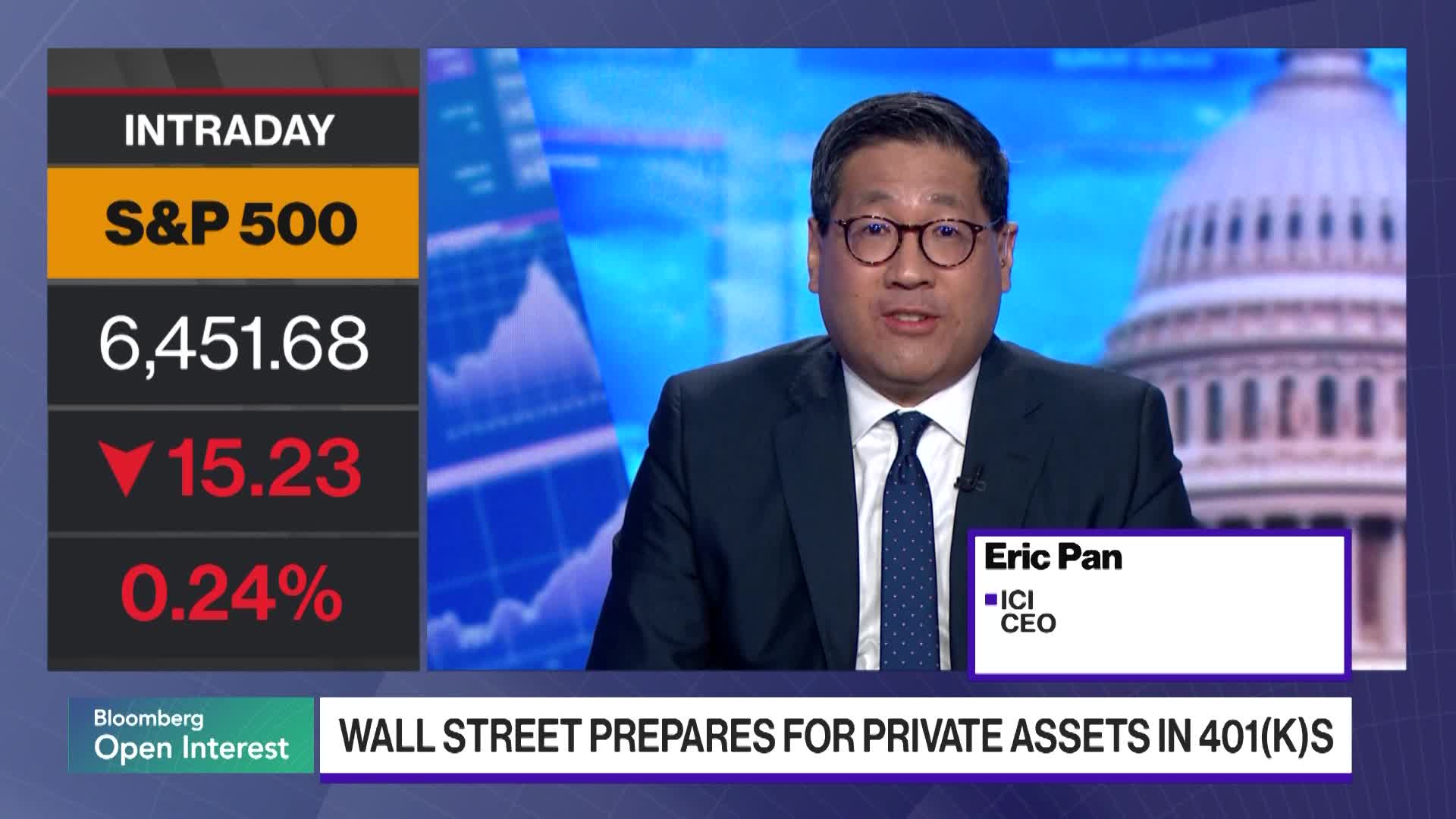
ICI CEO Eric Pan stated that significant limitations persist regarding the inclusion of alternative assets in 401(k) plans. He emphasized that extensive regulatory work and financial education are crucial to enable American investors to benefit from these innovative investment options within their retirement accounts.
The commentary from ICI CEO Eric Pan underscores a critical, yet nascent, shift in the retirement savings landscape towards the inclusion of alternative assets in 401(k) plans. While the concept represents a significant innovation, Pan's statement tempers expectations by highlighting two substantial near-term hurdles: the need for extensive regulatory groundwork and a parallel effort in financial education for American investors. This indicates that the path to widespread adoption is not immediate and will be methodical. The situation points to a long-term thematic opportunity for asset managers in private markets and for fintech platforms enabling access, but the current market impact remains low, as confirmed by the provided signal data. The focus on regulation and education implies that the timeline for tangible benefits is extended, making this a story about structural evolution rather than an imminent market catalyst.
AI-powered research, real-time alerts, and portfolio analytics for institutional investors.
Request DemoOverall Sentiment
mildly positive
Sentiment Score
0.25
