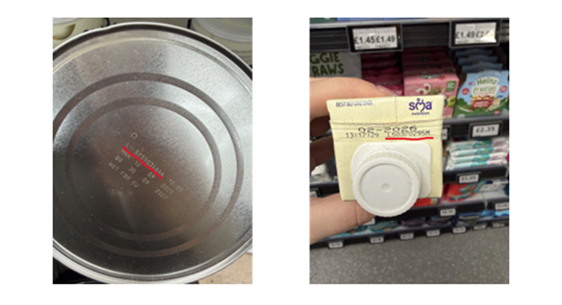
Nestlé is recalling multiple specific batches of SMA infant and follow‑on formulas (various 200ml, 400g and 800g SKUs) due to the possible presence of cereulide, a heat‑resistant toxin produced by Bacillus cereus; affected batch codes and expiry dates are published and point‑of‑sale recall notices will be displayed. Retailers and distributors are instructed to remove implicated stock and notify customers, creating near‑term sales and reputational risk in the infant‑nutrition segment, though the event appears limited in scope and unlikely to be material to Nestlé’s group results unless the issue broadens.
Market structure: This is a narrowly targeted recall of specific SMA batches — direct losers are brand trust and near-term UK sales for Nestlé’s infant-formula unit; direct beneficiaries are branded competitors (Danone/BN.PA) and specialty hypoallergenic suppliers if parents switch. Expect a localized, transitory volume shift (weeks–months) rather than a supply shock; pricing power of large incumbents is largely intact but smaller formula specialists face outsized reputational and working-capital stress.
Risk assessment: Tail risks include an expanded recall or regulatory fines (UK FSA/EHOs) that could force temporary plant closures and raise industry-wide compliance capex by +50–150 bps of margins; low-probability but high-impact litigation could play out over 6–24 months. Immediates (days) are reputational and retail delisting; short-term (0–3 months) is lost sales and promotional activity; medium-term (3–12 months) is market-share realignment and higher QA spend.
Trade implications: Tactical trades should be small, event-driven and asymmetric: favor modest longs in best-positioned peers (BN.PA) and short/put protection on Nestlé (NESN.SW / NSRGY) using capped-cost option spreads. Retailers with strong own-label supply chains (TSCO.L, SBRY.L) could gain margin share if they pivot to alternative suppliers; commodity milk-powder prices are unlikely to move materially unless recall widens.
Contrarian angles: Consensus will likely underprice regulatory follow-through; if regulators levy substantive fines or force process audits, smaller players (Perrigo/PRGO exposure to formula, if any) could see credit stress — an asymmetric short. Conversely, if Nestlé contains the issue within 30 days with clear root-cause and limited volumes (<0.5% of category sales), the sell-off will be overdone and create a buying opportunity in NESN/NSRGY within 1–3 months.
AI-powered research, real-time alerts, and portfolio analytics for institutional investors.
Request DemoOverall Sentiment
mildly negative
Sentiment Score
-0.30
