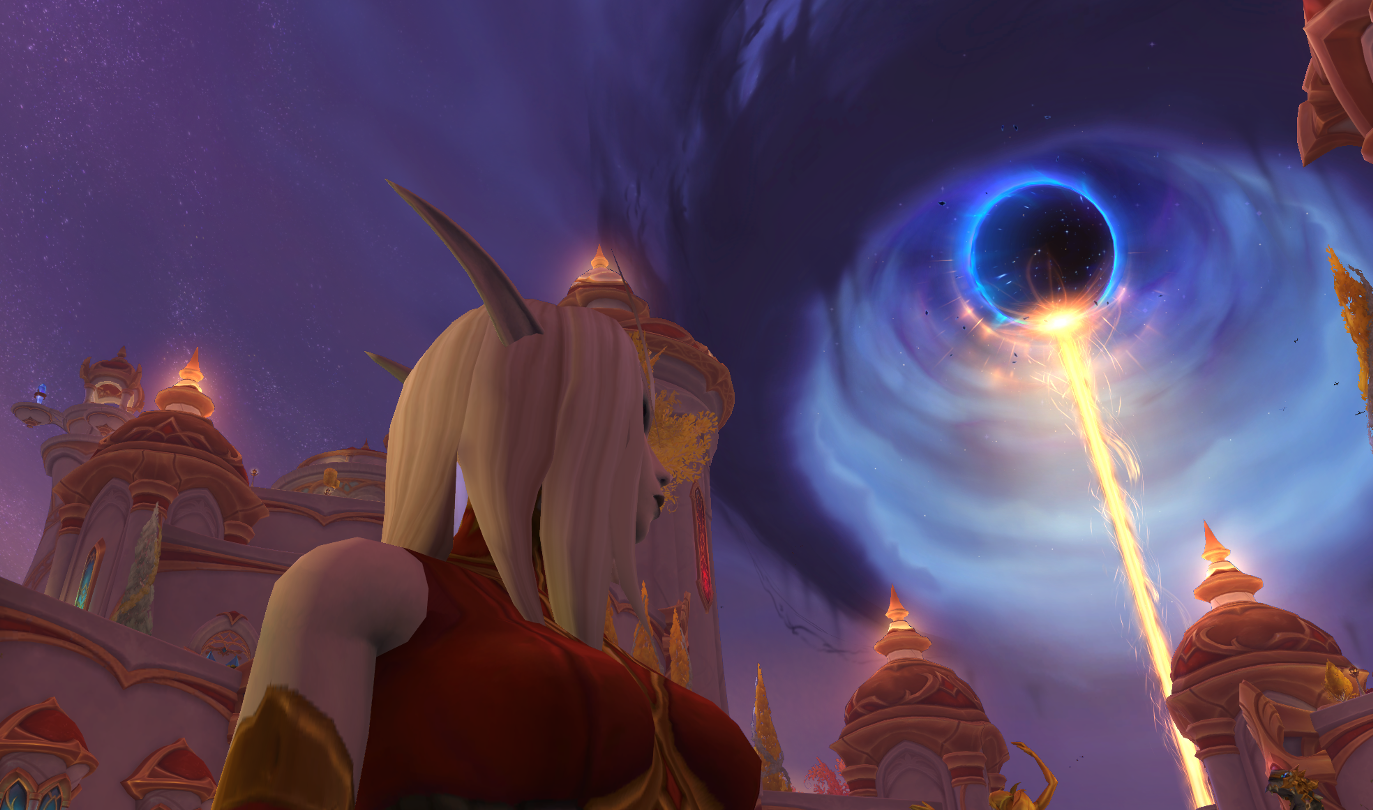
Blizzard’s World of Warcraft Midnight 12.0.5 patch is being criticized for introducing a new wave of bugs, adding to concerns that the studio is prioritizing an 8-week content cadence over quality control. The article cites gameplay-breaking issues, persistent defects, and ignored beta feedback, and argues the cadence should slow to 10-12 weeks. The tone is negative on Blizzard execution, but the likely direct market impact is limited.
The important read-through is not on engagement in isolation, but on the economics of forced cadence. If Blizzard is truly optimizing for a shorter release rhythm, it is implicitly choosing higher near-term subscriber retention at the expense of higher defect rates, which can be tolerated for a while but tends to create nonlinear trust decay once “temporary” bugs become perceived as structural incompetence. That matters most for MSFT because Blizzard’s operating autonomy only helps if the catalog remains a high-quality retention machine; if quality slips persist, the incremental value of faster content drops is outweighed by brand damage and support costs.
The second-order issue is that this is a classic live-service saturation problem. When a game’s core audience starts treating patches as reliability events rather than content events, the platform shifts from growth compounding to maintenance mode, and maintenance mode has worse economics: more customer service load, more hotfix engineering, more creator backlash, and higher churn sensitivity to even small pricing changes. The recent price increase in one region is particularly dangerous in that context because pricing power is strongest when quality is stable; when quality is unstable, price hikes tend to accelerate downgrades rather than raise ARPU.
RDDT is a subtle beneficiary on the margin because complaint clustering and bug-triage posts increase discussion volume, especially during perceived quality slippage. But that is mostly a noise-to-signal trade: more traffic does not mean healthier sentiment, and if the dominant conversation turns into “don’t play until fixed,” the net effect is negative for the franchise ecosystem. NFLX is largely irrelevant here except as a comparator for subscription cadence; the broader takeaway is that content bundles can mask churn only until consumers start comparing value per billing cycle more directly.
The contrarian view is that the market may be overestimating the immediacy of damage. MMOs have unusually sticky social graphs, and a few broken patches rarely cause mass defection unless the issue persists for multiple cycles and collides with a major content lull. If Blizzard communicates a slower, more transparent roadmap and demonstrates even a 30-40% reduction in severe bugs over the next 1-2 quarters, sentiment can recover quickly because the installed base still values the franchise and switching costs are high.
AI-powered research, real-time alerts, and portfolio analytics for institutional investors.
Request TrialOverall Sentiment
moderately negative
Sentiment Score
-0.45
Ticker Sentiment
