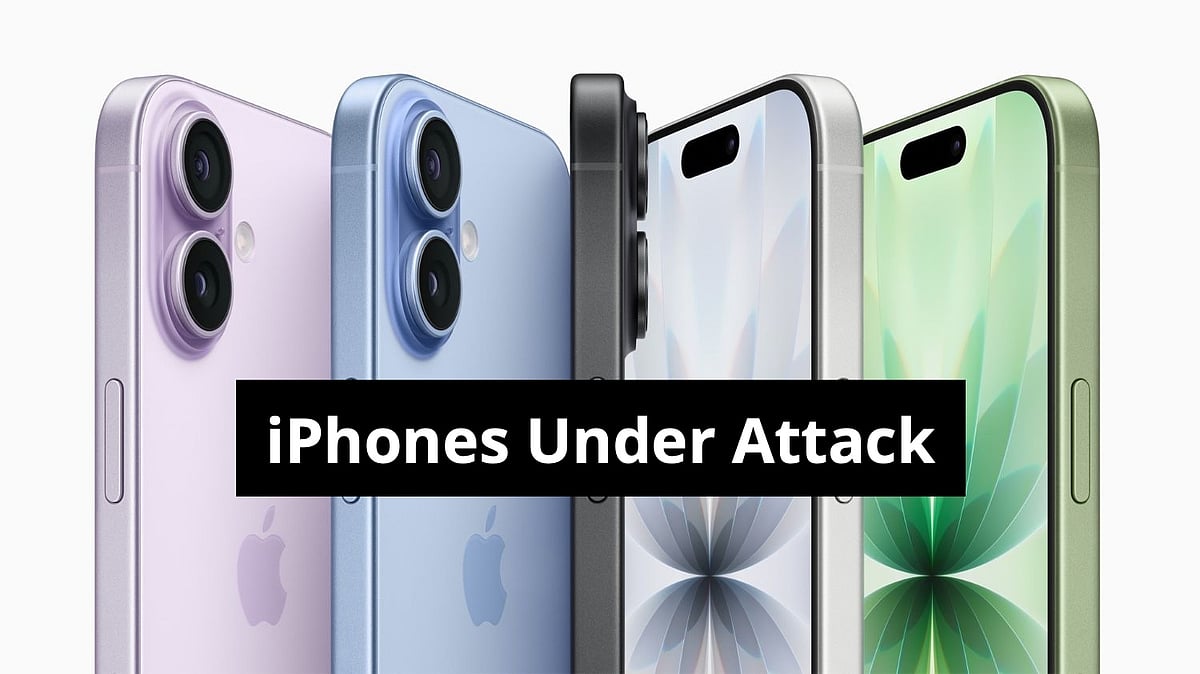
Apple has warned that highly sophisticated, targeted zero-click spyware is actively attacking certain iPhones, typically focusing on high-value individuals; the threats exploit zero-day vulnerabilities and can compromise devices before patches are issued. Critical security fixes are being distributed on iOS 26 only for iPhone 11 and newer, while older OS versions no longer receive patches; slow adoption of iOS 26 — reported as potentially around half or more of eligible users — leaves hundreds of millions of devices exposed. Users are advised to upgrade to iOS 26 immediately, reboot devices, and consider enabling Lockdown Mode if at risk.
Market structure: Apple is the direct short-term loser (headline risk to AAPL sentiment) because slow iOS 26 adoption (~~50% of eligible devices reportedly un-upgraded) leaves hundreds of millions exposed; cybersecurity vendors (PANW, CRWD, FTNT, HACK) are incremental winners as customers accelerate spend. Carriers and component suppliers see little direct demand shock, but enterprise mobility managers and MDM vendors gain negotiating leverage. Market pricing: expect a temporary 3–8% volatility premium on AAPL options over the next 30–90 days vs. historical baseline.
Risk assessment: tail risks include regulatory probes, class-action suits, or mandated remediation programs that could create multi-quarter legal/operational costs; assign a non-zero chance (5–10% over 12 months) of >$1B aggregate remediation exposures across OEMs and vendors. Time horizons: immediate (days) = sentiment-driven AAPL pullbacks; short-term (weeks–months) = patch adoption and Lockdown Mode uptake; long-term (12–36 months) = structurally higher enterprise/cybersecurity budgets (estimate +5–10% CAGR above prior trend). Hidden dependencies: user upgrade inertia, carrier provisioning, and corporate MDM policies will govern how fast the risk unrolls.
Trade implications: tactical long cybersecurity (PANW, CRWD) and HACK ETF exposure while hedging AAPL with short-dated puts is the efficient trade. Pair trades (long PANW, short AAPL) express rotation from consumer hardware to security software; consider option structures (3-month 5% OTM AAPL puts or 6–9 month PANW call-buying/sell-put spreads) to control capital. Catalysts to watch: iOS 26 adoption crossing 60–70% (30 days) and any regulator filings within 90 days.
Contrarian angles: consensus may over-penalize AAPL—Apple can force update pathways and roll rapid mitigations, so permanent revenue damage is unlikely; if AAPL drops >7–10% on sustained headlines without concrete regulatory action, that could be a buying opportunity. Historical parallels (Pegasus-era scares) show short-lived multiple compression but no lasting market-share loss for incumbents. Unintended consequence: accelerated spend may favor large, integrated security vendors (PANW) over niche startups, so avoid overpaying for small caps without enterprise traction.
AI-powered research, real-time alerts, and portfolio analytics for institutional investors.
Request DemoOverall Sentiment
moderately negative
Sentiment Score
-0.35
Ticker Sentiment
