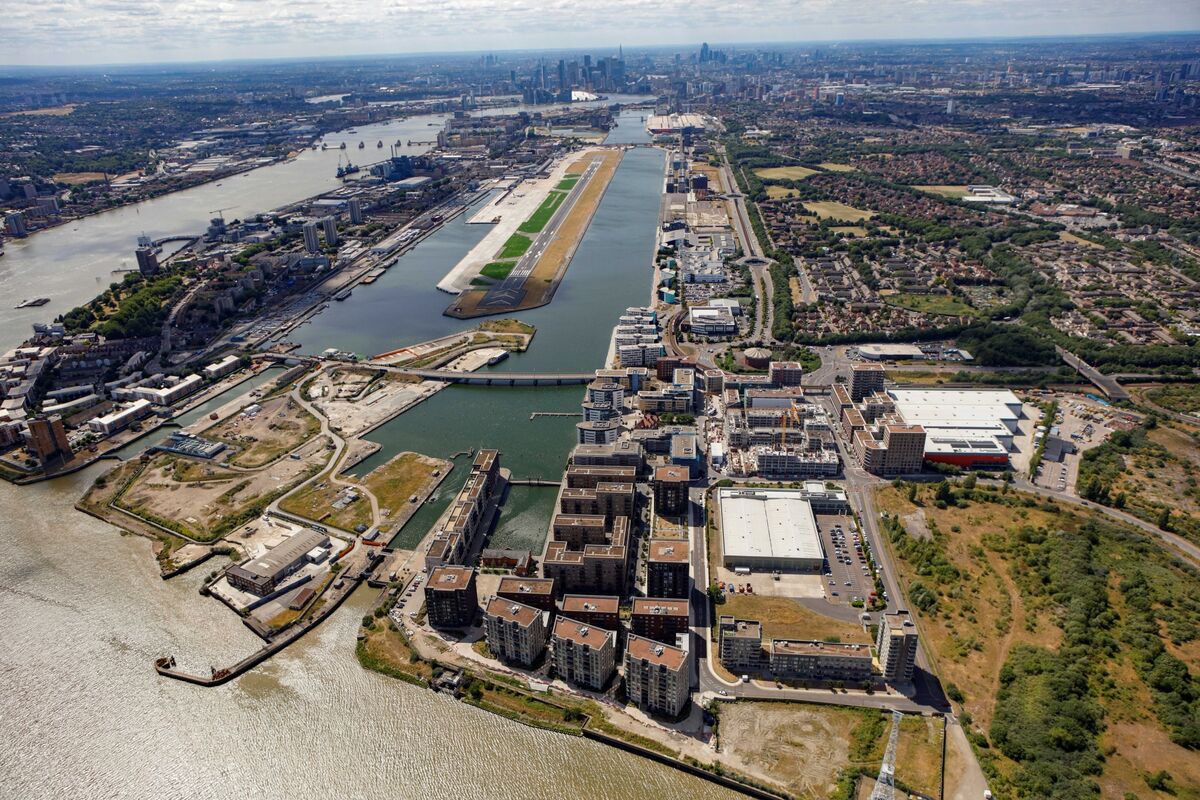
The City of London Corporation has selected Albert Island in Newham’s Royal Docks as its preferred site to relocate the historic Smithfield meat market and Billingsgate fish market, in a plan developed with the Greater London Authority and market traders. The decision follows the rejection of a proposed Dagenham site and a commitment to find an alternative within the M25; the move has implications for local real estate, logistics and food-supply chains but is unlikely to have material near-term market impact.
Market structure: Moving Smithfield and Billingsgate to Albert Island shifts wholesale food distribution nodes west-to-east inside the M25, creating immediate winners (industrial/logistics landlords, cold‑chain operators, local hospitality and last‑mile delivery firms) and potential losers (existing central London market real‑estate users who will be displaced). Expect upward pressure on London industrial land/rents near Royal Docks (conservative estimate +5–15% over 12–36 months if planning proceeds) and limited direct commodity price impact beyond marginal distribution cost increases.
Risk assessment: Key tail risks are planning/legal delays, contamination remediation costs on Albert Island, trader renegotiation or strike, and transport bottlenecks — any of which could push costs >20% above current budgets and delay operations 2–5 years. Timing: days of news risk is minimal; 3–12 months for planning/capital allocation signals; 2–6 years for full relocation; hidden dependencies include power/cold‑storage capacity and river/road access that could become binding constraints.
Trade implications: Favor logistics/industrial REITs and listed cold‑chain contractors, and selectively long central‑London developers who can monetize freed Smithfield land; consider 6–24 month call spreads rather than outright longs to limit permit/timing risk. Pair trades: long industrial REITs vs short central‑London retail/office landlords to capture relative re‑valuation if industrial rents outpace office demand; catalysts include GLA funding votes and planning approvals in next 3–9 months.
Contrarian angles: Consensus will underprice the land‑conversion value of Smithfield — freeing prime central land could drive a multi‑hundred‑million‑pound redevelopment pipeline, favoring developers more than commonly assumed, but NIMBY/political risk is material and may compress IRRs. Unintended consequences: increased congestion could force public capex (positive for civil‑engineering contractors) and revive river freight solutions, benefiting specialist logistics providers rather than generic carriers.
AI-powered research, real-time alerts, and portfolio analytics for institutional investors.
Request DemoOverall Sentiment
neutral
Sentiment Score
0.10
