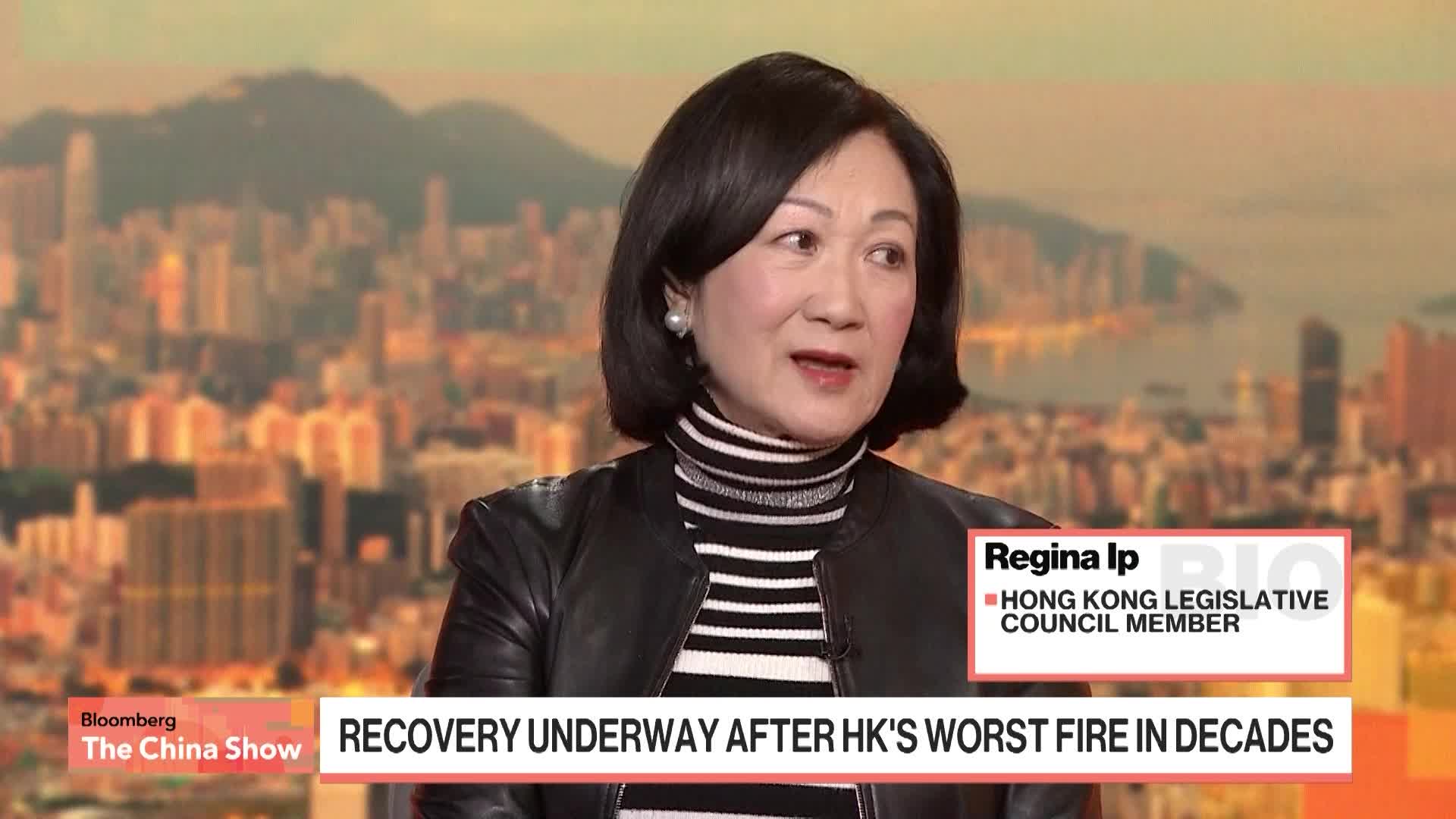
A severe multi-building fire in densely packed Hong Kong high-rises highlighted limitations in local firefighting capacity and maneuverability of large appliances, prompting assistance offers from neighboring Greater Bay Area cities. Eight drones were loaned for thermal monitoring but not for water deployment, and firefighters reportedly had to clear apartments floor-by-floor, with at least one fatality noted; implications include potential reassessment of urban fire-response infrastructure, insurance exposure, and investment in aerial firefighting technologies.
Market structure: Immediate winners are fire‑safety and building‑systems vendors (global players like Johnson Controls, JCI) and large construction contractors (China State Construction 3311.HK) that can win retrofit contracts; losers are thin‑margin Hong Kong developers and small local insurers facing higher claims and mandated capex. Expect pricing power for specialist retrofit contractors to rise 5–15% on bid premiums over 6–18 months as urgent work and limited skilled crews tighten supply. Cross‑asset: modest near‑term risk premium in HK credit and short‑dated HSI volatility spikes; USD/HKD FX immaterial but offshore H‑share spreads may widen 50–150bps.
Risk assessment: Tail risks include a regulatory shock (mandatory retrofits with 12–36 month compliance windows) or a high‑profile liability lawsuit that forces material reserve build for insurers; both could cut developer NAVs 3–8% and lift contractor backlog by 10–30%. Short term (days–weeks) expect headlines-driven flows; medium term (3–12 months) policy design and tender awards matter; long term (1–3 years) urban planning and Greater Bay Area resource sharing shift capital allocation. Hidden dependencies: drone/firefighting tech relies on specialized sensors and export‑controlled semiconductors — potential supply bottlenecks if demand jumps.
Trade implications: Direct trades — overweight JCI (NYSE:JCI) and China State Construction (3311.HK) to capture retrofit revenue, underweight/hedge large HK developers (Sun Hung Kai 0016.HK, Henderson Land 0012.HK) given 1–3% incremental capex risk to projects over 12–36 months. Use options: buy 3–6 month call spreads on JCI to limit premium and buy 3‑month put spreads on a HK property basket or HSI to hedge developer exposure; target a 50–150bps portfolio hedge cost. Rotate 2–5% from cyclical HK property into defensive REITs (Link REIT 0823.HK) and infrastructure contractors; act within 2–4 weeks as tenders and policy drafts emerge.
Contrarian angles: Consensus may underprice sustained government spending on building safety — expect 12–24 month contractor revenue tailwinds; conversely, market may overreact to headline risk and oversell high‑quality developers with low leverage (Sun Hung Kai may be oversold by >10% vs intrinsic NAV). Historical parallel: post‑disaster code tightening (eg. NYC 1970s) benefited specialist retrofit contractors for multiple years; unintended consequence — aggressive shorting of developers could create attractive pair trades where well‑capitalized names re-rate once clear timelines and subsidies are announced.
AI-powered research, real-time alerts, and portfolio analytics for institutional investors.
Request DemoOverall Sentiment
neutral
Sentiment Score
-0.05
