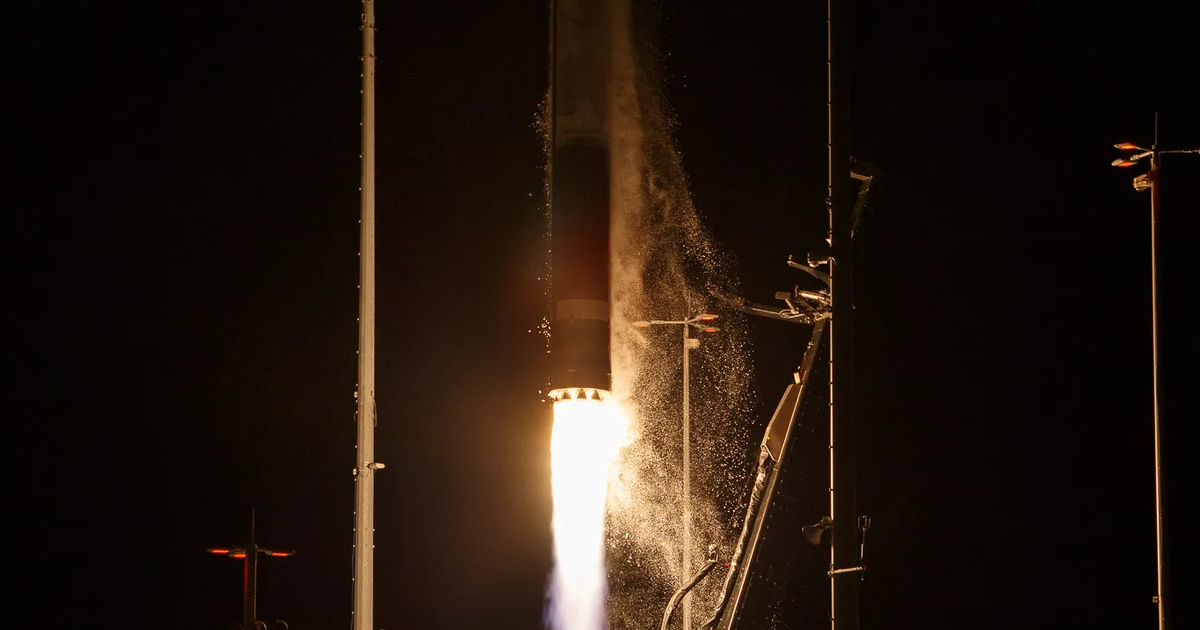
Four DiskSat small satellites (approximately 4 inches thick and 40 inches wide) were launched aboard a Rocket Lab Electron from Wallops Island to evaluate the DiskSat platform and a sequential dispenser in low Earth orbit. Each disk-shaped vehicle carries onboard computers, communications and small electric propulsion for orbit changes; after initial co-altitude deployment one or more will maneuver to lower altitudes. The technology demo, funded by the U.S. Space Force’s Rocket Systems Launch Program with DoD Space Test Program ground ops funding, could validate a lower-cost, maneuverable small-satellite form factor and influence future defense and commercial rideshare procurement and launch planning.
Market Structure: DiskSat demo signals incremental demand for low-cost, maneuverable smallsats and validated rideshare hardware; near-term winners are launch-as-a-service providers (Rocket Lab RKLB) and propulsion/component suppliers (Aerojet AJRD, Hexcel HXL) that scale smallsat margins. Competitors in CubeSat-based imaging (Planet PL, Spire SPIR) face modest pricing pressure if DiskSat adoption accelerates; expect 5–15% downward pricing pressure on single-satellite launch slots over 12–24 months as capacity rises. Cross-asset effects are small but visible: defense contractor credit spreads (NOC, LMT) may tighten 10–25 bps on sustained DoD funding; small-cap space names’ implied vol (VIX-like) should lag broader equities spikes after technical demos or launch failures.
Risk Assessment: Tail risks include launch failure or on-orbit collision triggering regulatory clampdowns (FAA/FCC/Space Force) that could curtail rideshare growth; probability ~5–10% per year but high impact (-30% revenue for small launchers). Short-term (days–weeks) equity gamma around launches, medium-term (3–12 months) movement tied to follow-on DoD awards, and long-term (2–5 years) adoption and regulatory regime-setting determine structural winners. Hidden dependencies: launch frequency relies on Electron tempo and supply chain for electric thrusters; insurance premiums could spike 2x after debris incidents, compressing net margins.
Trade Implications: Tactical: overweight RKLB and AJRD exposure while hedging launch operational risk; prefer defense primes (LHX, NOC) to pure data plays (PL, SPIR) for revenue visibility. Use options to buy asymmetric upside: 9–12 month ATM call spreads on RKLB sized 1.5–3% of portfolio with a 20% stop-loss on underlying; hedge with 3-month 15% OTM puts sized to protect the position. Pair: long LHX (2% weight) vs short PL (1% weight) as a relative-value trade—defense services outperform imagery-as-data if government-funded smallsat deployments accelerate.
Contrarian Angles: Market may over-index on demonstration news; technology demos historically take 12–36 months to become revenue drivers (CubeSat parallel). The consensus underestimates regulatory backlash risk from congestion—this could create a mean-reversion trade where small launchers rerate down 20–40% if stricter licensing or insurance rules arrive. Watch DoD award pipeline (next 30–90 days) and FAA debris rule proposals; absence of follow-on contracts within 6 months is a sell signal for speculative space equities.
AI-powered research, real-time alerts, and portfolio analytics for institutional investors.
Request DemoOverall Sentiment
neutral
Sentiment Score
0.15
