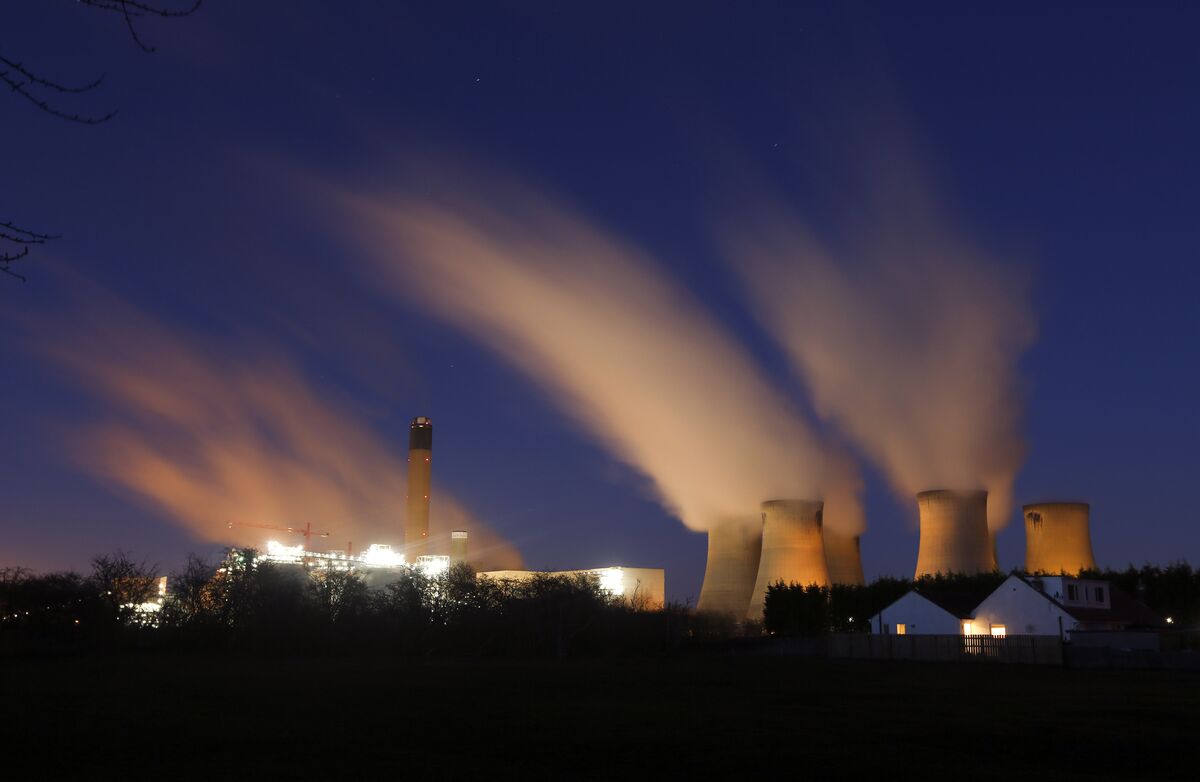
A UK legislative committee has approved draft regulations to extend government subsidies for Drax Group Plc, the UK's largest polluter, for an additional four years (2027-2031). While this new funding deal is an improvement over the current situation, it highlights potential weaknesses in the government's long-term strategy for biomass-generated power.
The UK government is advancing draft regulations to extend financial subsidies for Drax Group Plc, the nation's largest polluter, for its biomass power generation activities for an additional four years, from 2027 to 2031. This legislative step follows a funding deal announced in February, which, while presented as an improvement on current arrangements, is overshadowed by significant concerns highlighted in the article. Specifically, the continued support for Drax's method of burning trees for electricity is questioned for its sustainability, and the move is seen as exposing fundamental weaknesses or "holes" in the government's long-term strategy for biomass-generated power. The prevailing sentiment is moderately negative and the tone pessimistic, reflecting skepticism about the environmental integrity and strategic foresight of this approach, despite the short-term financial support provided to the company. This development underscores the tension between immediate energy production needs, regulatory support mechanisms, and overarching ESG and climate policy objectives within the renewable energy transition.
AI-powered research, real-time alerts, and portfolio analytics for institutional investors.
Request DemoOverall Sentiment
moderately negative
Sentiment Score
-0.50
