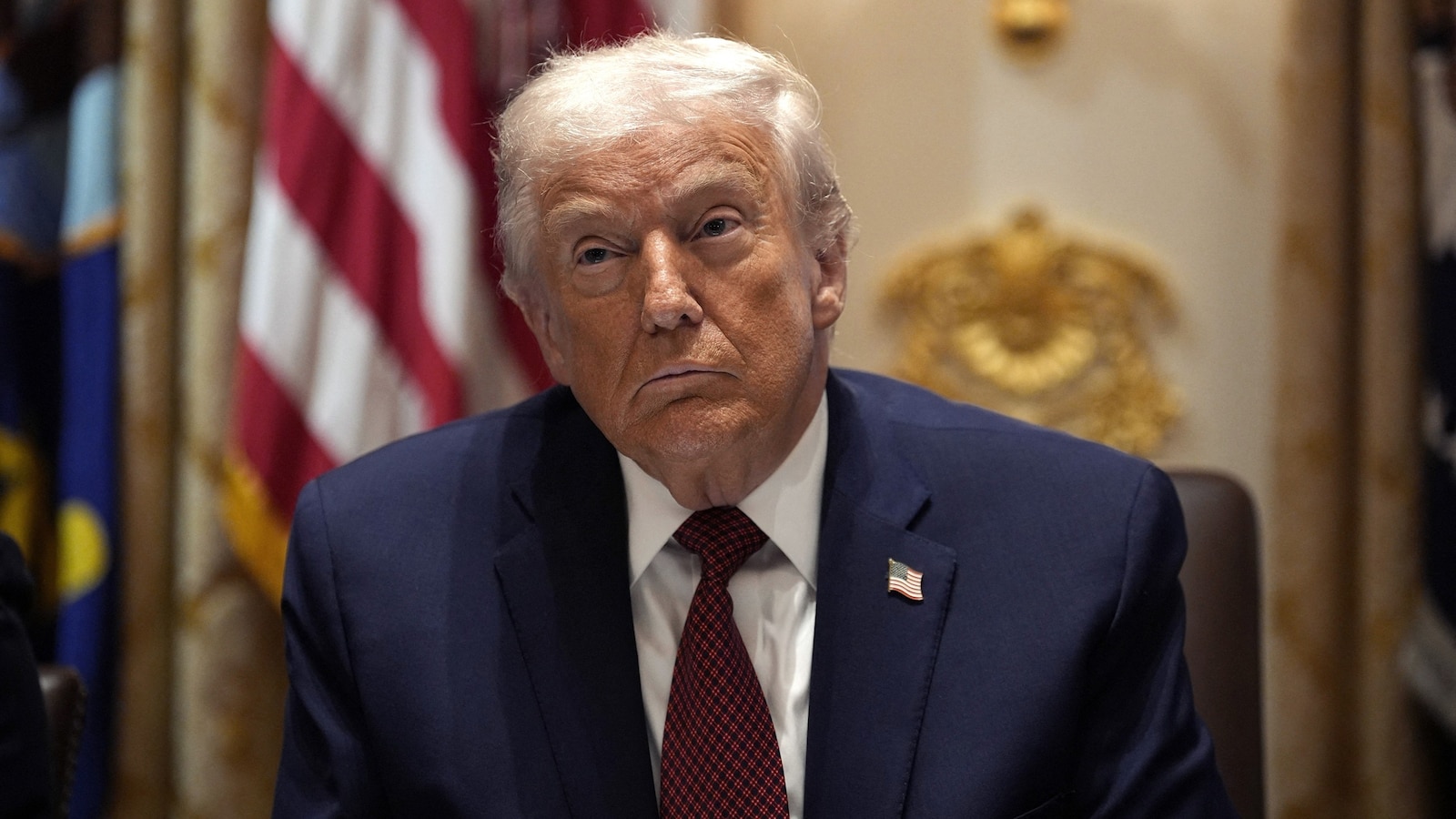
President Trump will begin a domestic tour in battleground Pennsylvania to sell his economic agenda and cast his administration as focused on ending “Biden’s inflation crisis,” previewing policy plans and staging additional events ahead of next year’s midterms; the move is a response to criticism that he has emphasized foreign policy over an “America First” economic message. Facing pushback from Republicans such as Rep. Marjorie Taylor Greene and weak public approval on his handling of the economy (Gallup: 36% approve, 62% disapprove), Trump defended tariffs and international deals as revenue generators while the administration has already adjusted policy — rolling back some food import tariffs and floating ideas like a 50‑year mortgage — to blunt cost‑of‑living complaints. White House officials say he will use significant fundraising resources and personal campaigning to bolster Republican midterm prospects and shift messaging toward domestic economic accomplishments.
President Trump will begin a domestic tour in battleground Pennsylvania to sell his economic agenda ahead of next year’s midterms, framing administration policy as focused on “ending Joe Biden’s inflation crisis” and signaling additional events after New Year’s Day. The visit is an explicit response to criticism from within his party that he has prioritized foreign policy, and White House officials say he will deploy significant fundraising resources and personal campaigning to support Republican candidates.
Policy messaging combines defense of existing tariffs—which the president says have generated revenue—with indications of tactical adjustments: the administration has already rolled back some food import tariffs and floated a 50‑year mortgage proposal, and Trump said he would consider carve‑outs for goods made expensive by levies. These mixed steps suggest a pragmatic, politically driven approach to trade and consumer cost issues rather than a single coherent macroeconomic program.
Public reception remains weak on economic competence, with a Gallup poll showing 36% approval and 62% disapproval of his handling of the economy, which increases political risk ahead of the midterms and could drive short‑term policy reversals. Market signals classify the story as mixed with a slightly positive market impact (0.15) and a defensive tone; investors should expect event‑driven volatility around speeches and announcements that materially affect tariffs, consumer prices, and retail demand.
AI-powered research, real-time alerts, and portfolio analytics for institutional investors.
Request DemoOverall Sentiment
mixed
Sentiment Score
-0.05
