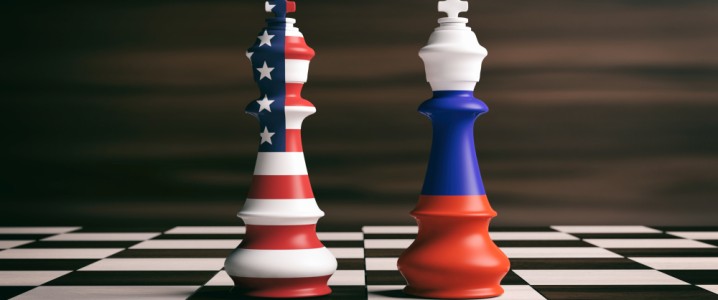
Former President Trump has urged the EU to join the U.S. in imposing up to 100% tariffs on Chinese and Indian imports of Russian oil, a move designed to pressure Russia into genuine peace talks for Ukraine. U.S. officials, including Treasury Secretary Scott Bessent, confirm readiness to escalate economic pressure on Russia by targeting its oil revenues, but only with reciprocal EU action, despite internal EU divisions on such sanctions. This proposal highlights intensifying Western efforts to economically isolate Russia and compel a resolution to the conflict.
The United States is proposing a significant escalation of economic sanctions against Russia, contingent on partner participation, by calling for joint U.S.-EU tariffs of up to 100% on Chinese and Indian imports of Russian oil. This hawkish strategy, as articulated by former President Trump and U.S. officials, aims to devastate a primary Russian revenue stream to force engagement in peace negotiations regarding Ukraine. The proposal's viability, however, hinges on securing unanimous EU agreement, which presents a substantial hurdle given the stated opposition from member states like Hungary and Slovakia to aggressive energy sanctions. This potential action represents a strategic pivot from directly sanctioning Russia to penalizing its key energy customers, introducing significant new uncertainty into global energy markets. If pursued, this policy would severely disrupt established oil trade flows, likely creating significant price volatility and heightening geopolitical tensions with both China and India.
AI-powered research, real-time alerts, and portfolio analytics for institutional investors.
Request DemoOverall Sentiment
strongly negative
Sentiment Score
-0.80
