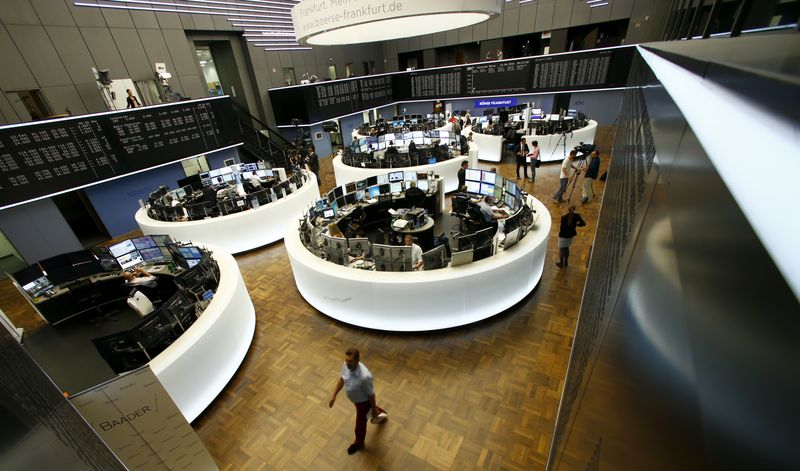
Trump announced a new 'Project Freedom' effort to help stranded ships exit the Strait of Hormuz, while the Joint Maritime Information Centers flagged an 'enhanced security area' and warned traditional routes remain extremely hazardous. Brent crude rose 0.8% to $109.04 a barrel as the chokepoint, which carries about one-fifth of global oil flows, remained effectively constrained, intensifying inflation and bond-yield pressures. The broader equity tone was muted, with European indices little changed despite the renewed shipping and energy risk.
The immediate market read-through is not just higher oil; it is a higher variance path for inflation expectations and freight reliability. Even if the corridor is partially reopened, the market has to price a persistent risk premium because the bottleneck is now an operational security problem, not a simple supply/demand imbalance. That tends to keep front-end energy volatility elevated and makes rate cuts harder for central banks to justify, which is a more durable equity headwind than the initial Brent move.
The second-order beneficiaries are not the obvious upstream producers so much as anyone with pricing power and non-Asia-dependent logistics. U.S. domestic energy midstream, select refiners with advantaged feedstock access, and defense/maritime security suppliers should see relative outperformance if rerouting persists for weeks. Conversely, airlines, chemicals, European industrials, and small-cap consumer names are exposed through both fuel costs and working-capital drag; the lagged hit shows up over 1-2 earnings cycles as margin compression and inventory disruption.
For SMCI and APP, the link is indirect but important: higher yields and risk-off tape compress long-duration multiple support, while any slowdown in enterprise IT or ad budgets from energy-driven inflation will hit sentiment faster than fundamentals. The AI capex boom can continue, but the market will likely rotate toward “cash flow now” beneficiaries and away from high-beta compounders if real rates keep backing up. That creates a setup where good execution may not protect multiples in the next 4-8 weeks.
Consensus may be underestimating how quickly diplomatic de-escalation can unwind the trade, which makes chasing outright longs in energy unattractive after the initial gap. The better expression is owning convexity around volatility and avoiding crowded beta. If shipping lanes normalize, the inflation scare fades quickly; if they do not, the market reprices broader growth assets lower than current spot moves imply.
AI-powered research, real-time alerts, and portfolio analytics for institutional investors.
Request DemoOverall Sentiment
mildly negative
Sentiment Score
-0.15
Ticker Sentiment
