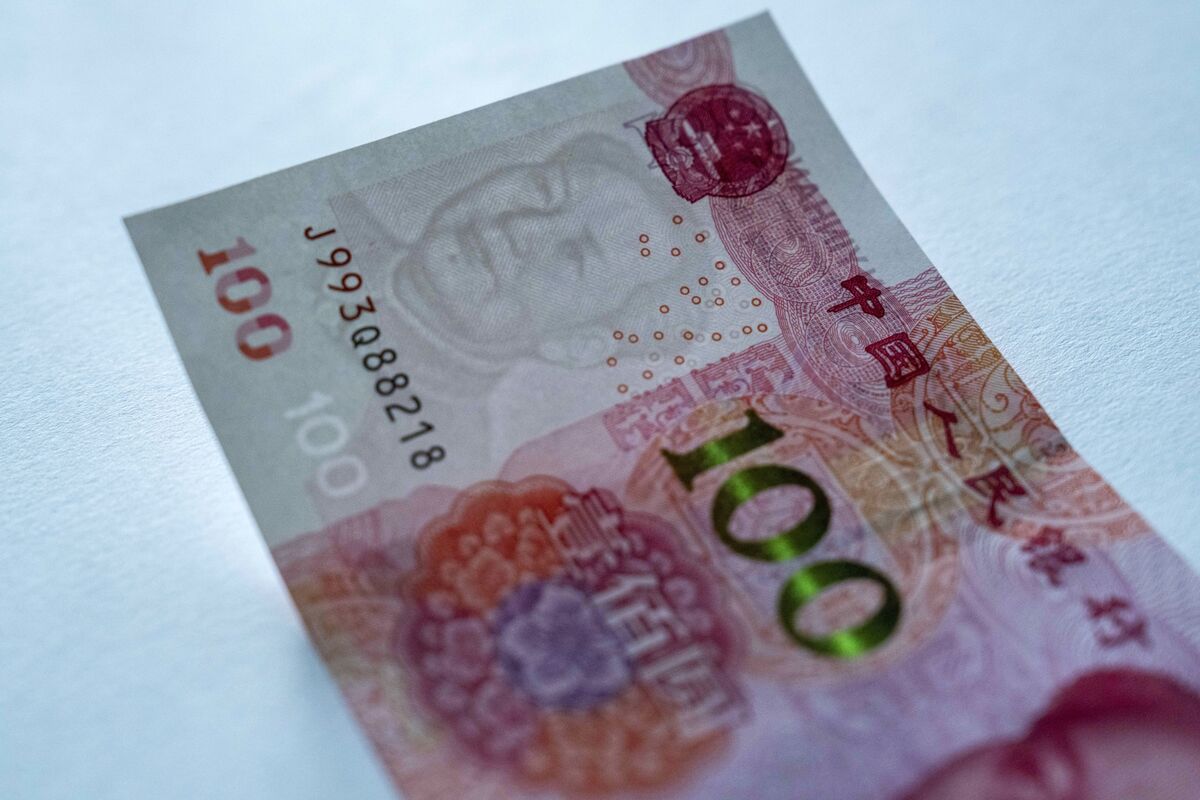
The People's Bank of China injected a net 465.7 billion yuan ($65 billion) into the financial system via reverse repurchase agreements, marking its largest daily net injection since July 25 and third biggest this year. This substantial short-term cash infusion aims to stabilize the bond market, which has been under pressure from investors migrating into equities, and has already contributed to the steadying of benchmark 10-year bond yields after they touched recent highs.
The People’s Bank of China has executed a significant short-term liquidity injection, adding a net 465.7 billion yuan ($65 billion) to the financial system via reverse repurchase agreements. This represents the largest single-day net injection since July 25 and the third largest of the year, signaling a proactive stance by the central bank to ensure market stability. The primary catalyst for this action is a selloff in the domestic bond market, reportedly driven by a capital rotation from fixed income into equities. The intervention has achieved its immediate goal, as evidenced by the stabilization of benchmark 10-year government bond yields, which had previously touched their highest levels since April. This dovish maneuver underscores the PBOC's focus on managing liquidity and preventing disorderly market conditions, and implicitly supports the nascent shift in investor sentiment towards riskier assets like stocks.
AI-powered research, real-time alerts, and portfolio analytics for institutional investors.
Request DemoOverall Sentiment
mildly positive
Sentiment Score
0.35
