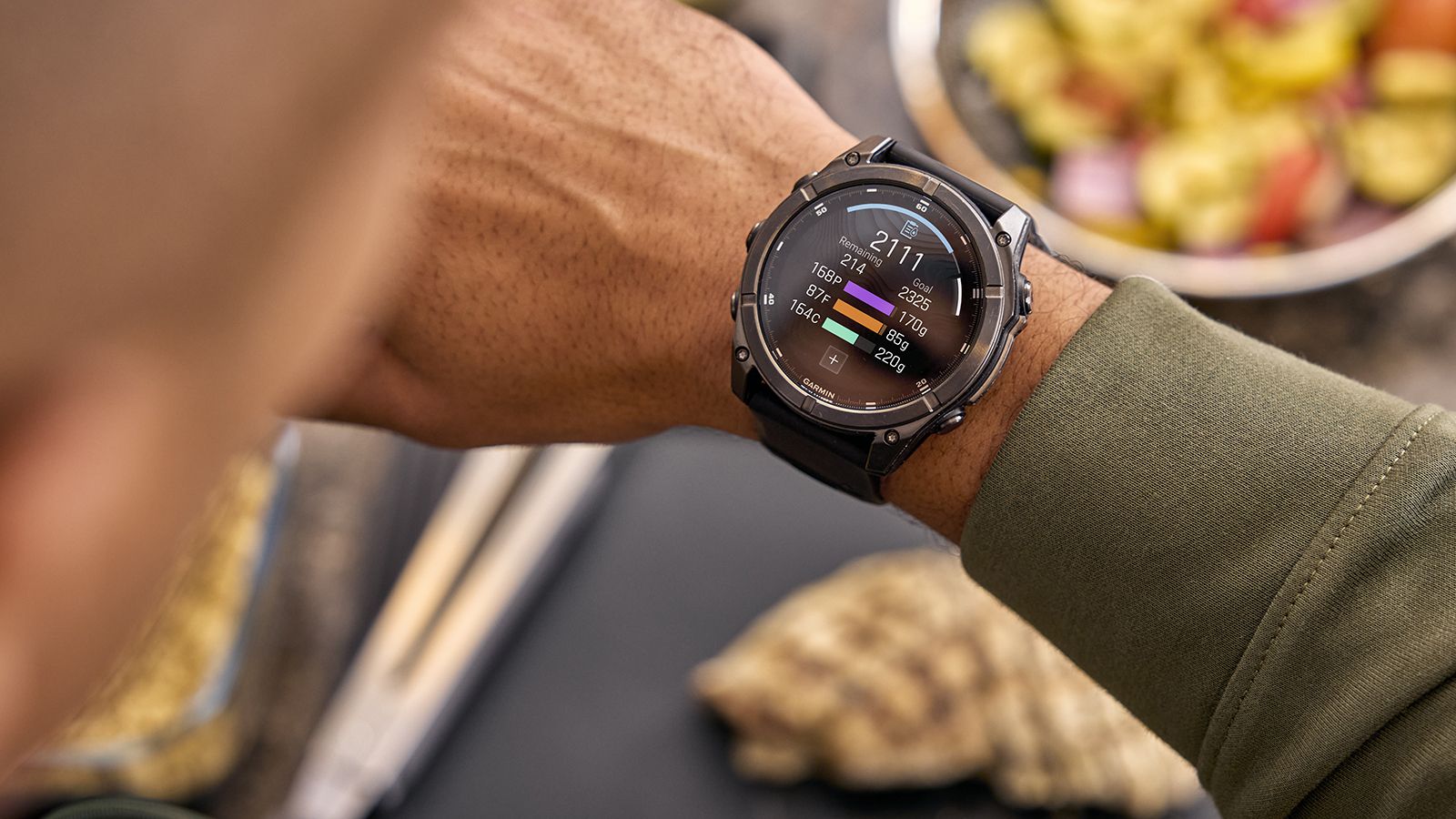
Garmin has added a built-in Nutrition feature inside its Garmin Connect app, offering calorie and macronutrient tracking, a global food database, barcode scanning, AI-powered image recognition and integration with workouts, sleep and recovery metrics. The feature is available behind the paid Garmin Connect+ subscription (30-day free trial offered), positioning the app as a more comprehensive health platform that could increase user engagement and subscription revenue if adoption is strong. Key risks include user resistance to a paywalled offering and the accuracy/friction of logging in real-world training scenarios, which will determine its commercial impact.
Market structure: Garmin (GRMN) gains higher ARPU and stickiness if Nutrition converts users into Connect+ subscribers; directly benefits Garmin hardware owners and the company’s Services margin while third‑party nutrition trackers and fragmented app ecosystems lose share. Quantitatively, converting 1–3% of an assumed 30–60M active user base at ~$30/year ARPU equals roughly $9–54M incremental annual revenue, a meaningful mid‑single‑digit EPS tail over 12–24 months if sustained.
Risk assessment: Tail risks include data‑privacy/regulatory fines (GDPR/FTC), AI misclassification liabilities, and user backlash to paywalling core health features — low probability but high impact. Immediate impact (days) is sentiment; short term (1–6 months) hinges on trial conversion and retention metrics; long term (1–3 years) depends on accuracy, device integration, and whether Nutrition measurably improves training outcomes and reduces churn.
Trade implications: Favor small, conviction‑weighted exposure to GRMN to express secular services monetization: use equity plus defined‑risk options to capture upside while limiting cost; underweight/short public incumbents reliant on third‑party tracking or ad models (e.g., WW) that face subscription cannibalization. Reallocate into wearable hardware names that can credibly monetize software (increase tech/consumer electronics tilt by 1–2% of portfolio) and reduce exposure to ad/subscription app businesses that lack device distribution.
Contrarian angles: Consensus may overstate adoption — paywall friction could cap conversion under 1% and leave the feature as retention rather than growth driver; historical parallels include Fitbit/Google integrations where bundling didn’t translate to meaningful ARPU lift. Unintended consequences include partner pushback, developer churn from lost integrations, or accelerated competitor bundling (Apple/Google) which would compress Garmin’s pricing power.
AI-powered research, real-time alerts, and portfolio analytics for institutional investors.
Request DemoOverall Sentiment
mildly positive
Sentiment Score
0.28
Ticker Sentiment
