A top Trump administration economist warned that the record-setting government shutdown is increasingly impacting the economy, with Wall Street and the Council of Economic Advisers projecting a 1-1.5 percentage point decrease in GDP growth due to disruptions like air-traffic control shortages, though a post-reopening rebound is anticipated. Despite Senate Minority Leader Chuck Schumer's offer to reopen the government and extend Obamacare subsidies, which briefly buoyed the S&P 500, Senate Majority Leader John Thune rejected it, signaling ongoing political deadlock. Concurrently, the FAA has initiated flight reductions at 40 airports due to staffing issues, and analysts largely expect the shutdown to conclude by mid-November, ahead of the Thanksgiving travel season.
A top Trump administration economist, Kevin Hassett, warned that the ongoing 38-day government shutdown is significantly impacting the economy, projecting a 1-1.5 percentage point decrease in GDP growth, aligning with Wall Street estimates. This economic drag stems from disruptions in critical areas like air-traffic control and permitting, contributing to a near-record low in consumer sentiment. The political deadlock persists, with Senate Majority Leader John Thune rejecting Minority Leader Chuck Schumer's offer to reopen the government and extend Obamacare subsidies, despite some analysts viewing it as potential progress.
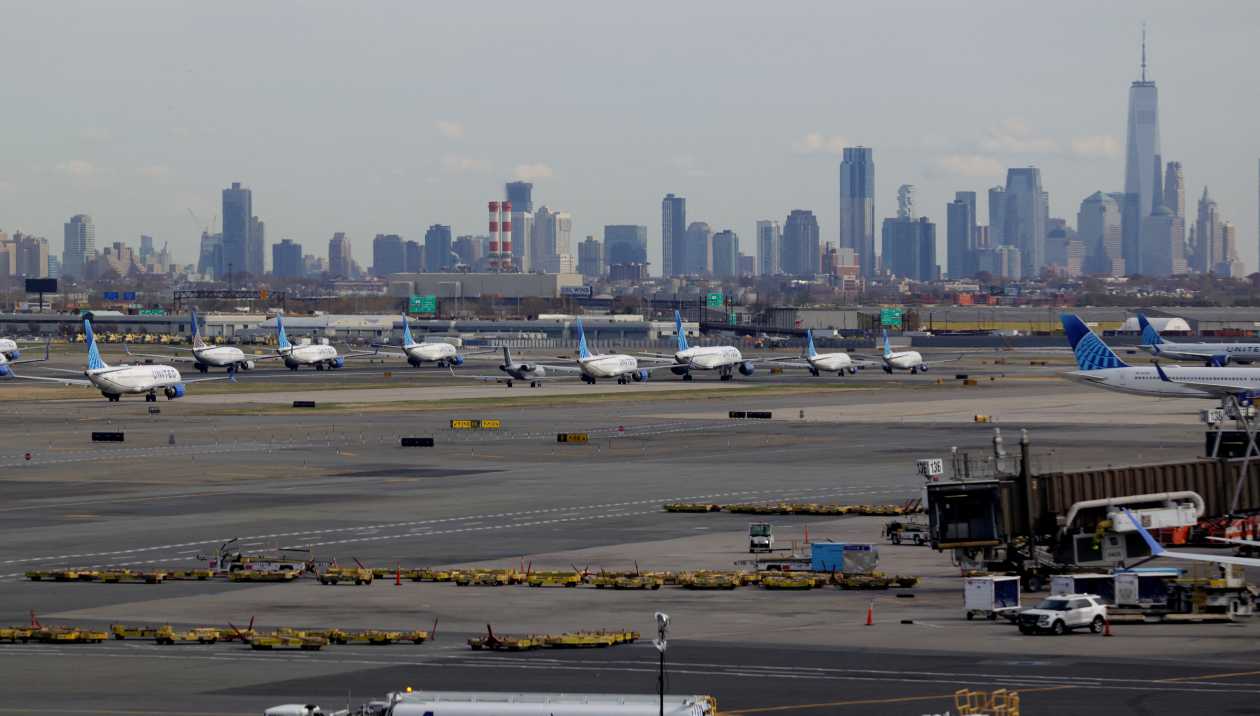
Operational disruptions are escalating, with the Federal Aviation Administration implementing a 4% reduction in flights at 40 airports due to air-traffic controller shortages, slated to increase to 10% within a week. While these travel issues are widely seen as a catalyst for resolution, the S&P 500 briefly erased losses and closed slightly higher Friday, with some attributing the rebound to Schumer's proposal. Interestingly, airline stocks have shown resilience despite the flight cancellations.
Despite the current economic headwinds, Hassett anticipates a 'big rebound for GDP' once the government reopens, driven by federal workers receiving back pay. Analysts and prediction markets largely expect the shutdown to conclude by mid-November, specifically around November 14-21, ahead of the peak Thanksgiving travel season. This suggests a short-term economic hit followed by a potential recovery, contingent on a swift resolution.
AI-powered research, real-time alerts, and portfolio analytics for institutional investors.
Request DemoOverall Sentiment
moderately negative
Sentiment Score
-0.40
