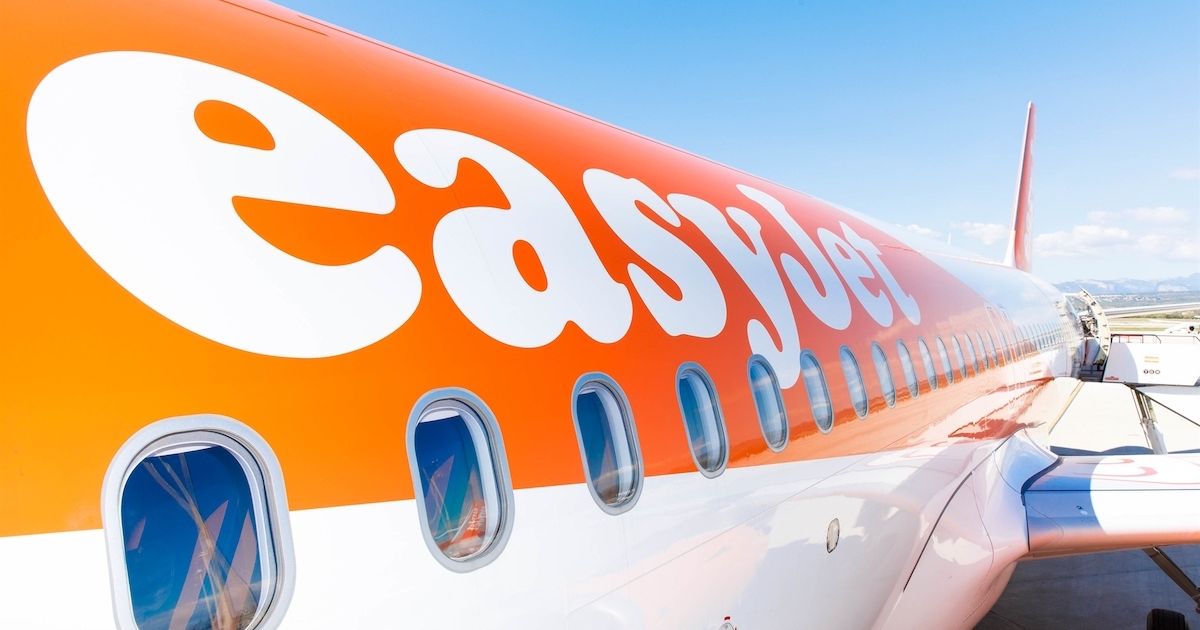
Citi upgraded easyJet to Buy and raised its target to 600p (implying a 27% total return), citing an expected margin trough in the year to Sept 2026 and a recovery driven by a refreshed fleet from FY27 onward. Shares rose ~1% to 489.6p after the note; easyJet reported a 52% increase in pre-tax losses to £93m for the quarter to 31 Dec despite a 7% rise in passengers and continued profit growth at its Holidays unit, with group performance weighed down by upfront expansion costs and price pressure.
Market structure: Citi’s upgrade and 27% implied upside (489.6p → 600p) favors easyJet (EZJ.L) and holiday-package operators that monetise ancillaries; short-haul low-cost carriers with newer fleets and integrated holiday arms are winners, while legacy long-haul carriers (IAG, AF.PA) and high-cost challengers face pricing pressure. Passenger growth (+7% q/q) with stagnant group earnings suggests demand exists but supply expansion and upfront Italian costs keep yields suppressed; a 2027 fleet refresh implies capacity-driven unit-cost declines, improving margins if jet fuel and FX remain stable. Cross-asset: a durable positive re-rate would tighten UK gilts modestly, strengthen GBP vs EUR by ~1-2% on risk-on, reduce airline credit spreads, and lift Brent sensitivity—jet-fuel downmoves amplify margin upside.
Risk assessment: Key tail risks are a sudden jet-fuel spike (>20% YoY), delayed aircraft deliveries (>3 months), or regulatory constraints in Italy/UK that impose caps or fines; each could wipe out expected FY27 margin recovery. Timeline segmentation: immediate (days) — muted price move after upgrade; short-term (3–9 months) — upside contingent on Q4/FY26 trading and Holidays profitability; long-term (12–24 months) — margin recovery tied to fleet efficiency and capex rollout. Hidden dependencies include Holidays unit profit conversion to free cash flow and ability to fund buybacks/dividends; catalysts include fuel price moves, delivery confirmations, and FY26 guidance updates.
Trade implications: Direct play — selective long in EZJ with size scaled to conviction (2–3% NAV), target 600p by mid-2027, stop 420p; use Apr-2027 call spreads (500/700p) to cap downside while retaining upside. Pair trade — long EZJ vs short IAG (IAG.L) to capture differential ancillary/holiday resilience; allocate equal notional and hedge sector beta. Sector tilt — overweight UK leisure travel and packaged-holiday operators, underweight legacy long-haul carriers until FY26 margins clear.
Contrarian angles: Consensus assumes fleet refresh will automatically restore margins by FY27 but underestimates execution risk in Italy and short-term price competition; if Holidays continues to outgrow airline ops (profit uptrend >15% YoY), easyJet’s valuation should rerate higher than Citi’s 600p. Historical parallels (post-2015 fleet renewal cycles) show 12–24 month lags between deliveries and margin improvement; unintended consequence: accelerated expansion can force further discounting and delay free-cash conversion, so watch capex guidance and delivery confirmations closely.
AI-powered research, real-time alerts, and portfolio analytics for institutional investors.
Request DemoOverall Sentiment
mildly positive
Sentiment Score
0.35
Ticker Sentiment
