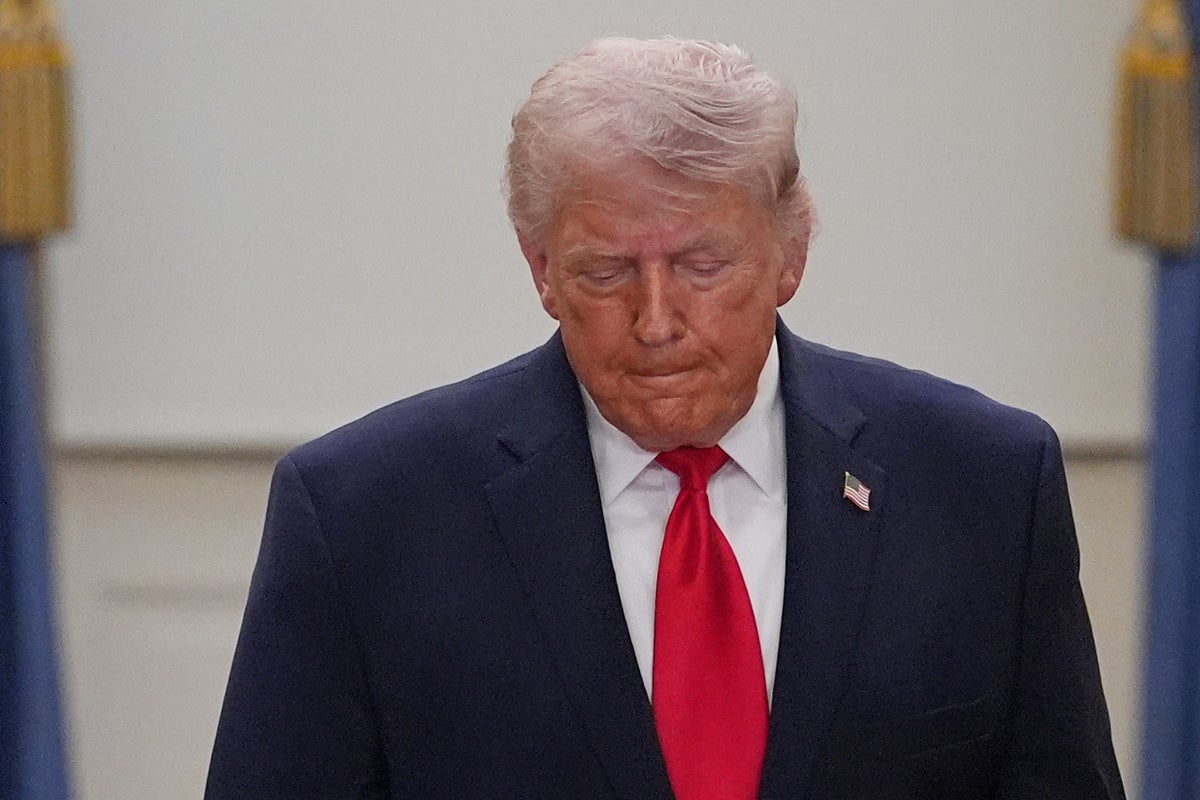
The US president threatened to strike Iranian energy infrastructure as soon as Tuesday unless the Strait of Hormuz is reopened by Monday, prompting Iran to warn of retaliation and its parliament speaker to urge an end to the "dangerous game." The escalation — coming after a US rescue of a downed airman and presidential statements about taking Iran's oil — materially raises geopolitical risk and could drive oil-price spikes and broader risk-off flows across markets.
The present geopolitical escalation transmits to markets primarily via three fast-moving channels: insurance premia for tankers, spot freight rates for VLCC/Suezmax, and widening light-sweet vs heavy-sour differentials. Historically, a 2–4 week spike in tanker insurance and re-routing lifts voyage costs by 150–300%, which mechanically raises delivered crude prices for Asia/Europe and compresses refinery margins for regions dependent on seaborne light crude. Expect the first visible price move in freight/insurance within 48–96 hours, with refined-product crack spreads following in 1–3 weeks as refinery feedstock changes propagate.
Second-order winners are those with convex exposure to short, sharp supply-cost dislocations: tanker owners with modern VLCC fleets, US unconventionals able to capture incremental WTI-linked spreads, and defense primes that see accelerated equipment/maintenance budgets. Losers include tightly balanced regional refiners and petrochemical complexes that cannot swap feedstocks quickly, plus shipping insurers and Asian refiners forced into expensive arbitrage purchases. Supply-chain effects extend to LNG logistics and maritime operations — elevated freight increases unit economics for long-haul crude swaps and incentivizes use of longer-haul (and thus fewer) cargoes.
Tail risks center on kinetic strikes to export infrastructure or sustained denial of key seaborne corridors: a multi-week real outage has a non-trivial chance (we estimate ~10–20%) of pushing Brent-equivalents >$120/bbl within 4–8 weeks and keeping elevated volatility for months. Reversal catalysts are diplomatic de-escalation, strategic SPR releases, or rapid re-routing/chartering solutions that restore flow economics — these can reduce the premium within 2–6 weeks. Markets will oscillate between immediate tactical repricing and a structural premium priced into energy/defense equities if the episode lengthens beyond one quarter.
AI-powered research, real-time alerts, and portfolio analytics for institutional investors.
Request DemoOverall Sentiment
strongly negative
Sentiment Score
-0.70
