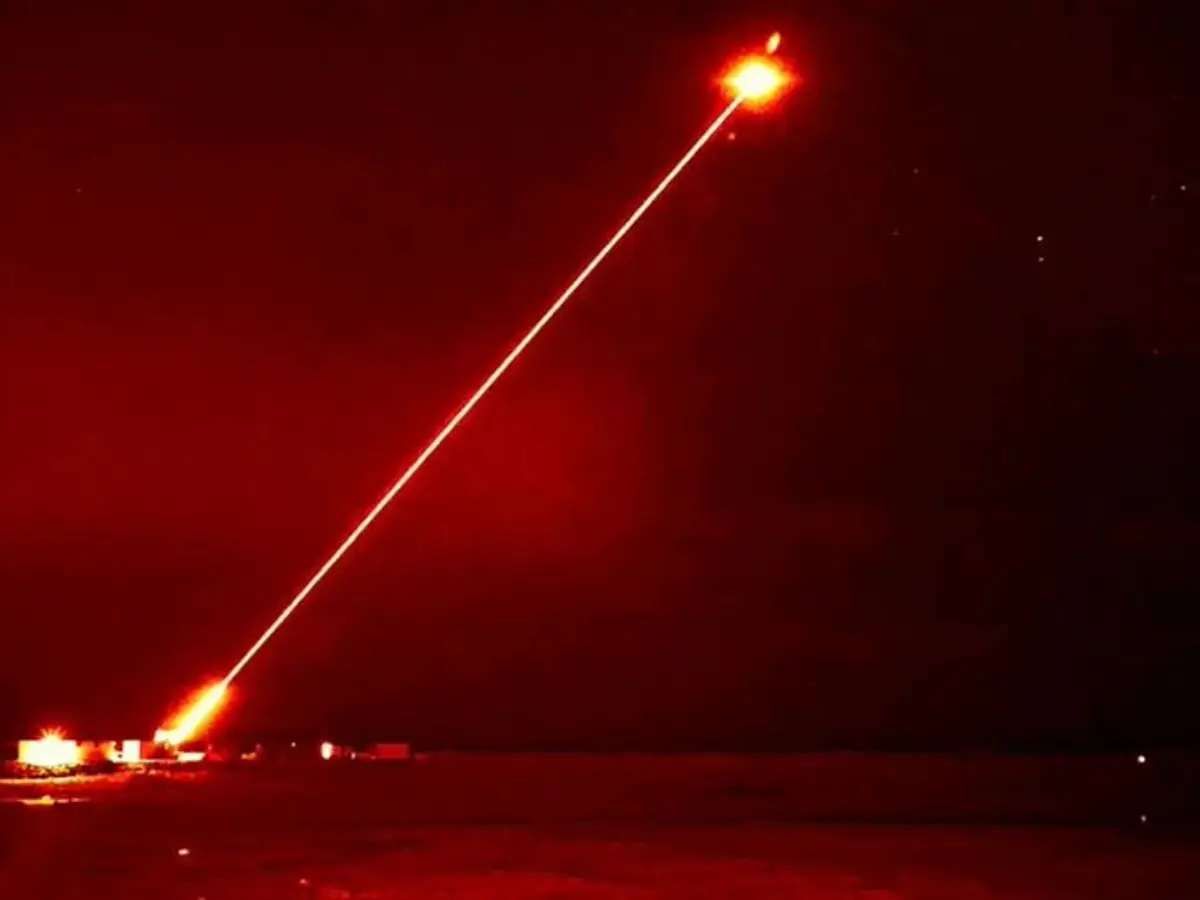
High-energy laser weapons provide low marginal cost per engagement and rapid response against short-range threats such as drones and small craft, but their effectiveness is constrained by line-of-sight, atmospheric conditions and substantial power/cooling needs that limit platform integration. Defense contractors and military planners, including Lockheed Martin, see directed-energy systems as complementary to missiles rather than replacements, supporting continued demand for layered defence architectures and kinetic strike capabilities.
Market structure: Directed-energy winners will be prime integrators (LMT), systems suppliers (Raytheon RTX, Northrop NOC, L3Harris LHX) and power/thermal specialists; small, low-cost drone swarms and tactically deployed missile volleys are the primary demand drivers. Pricing power will be modest — lasers displace marginal missile shots (lowers OPEX per engagement) but do not cannibalize high-value long-range missiles; expect incremental ASW/shipboard and base-defense revenue ramps of ~5–15% for primes over 1–3 years.
Risk assessment: Tail risks include a major test failure, export-control shocks or a DoD budget pivot; assign a 5–15% idiosyncratic program-cancellation probability for new DEW programs in the next 12 months. Immediate market impact should be muted (days); meaningful valuation moves depend on contract awards and test confirmations over 2–12 months; hidden dependencies are platform power generation, cooling logistics and atmospheric-effects tech that can double integration costs if not solved.
Trade implications: Favor a concentrated exposure to large primes via equity and credit (LMT, RTX, NOC) and underweight pure-play small drone OEMs and commodity missile component suppliers. Use option structures to express asymmetric upside into likely catalyst windows (Pentagon tests, FY budget cycles in next 60–180 days) and target 12–24 month holding periods for equity plays; consider credit if senior spreads widen >75bp.
Contrarian angles: Consensus underrates recurring savings from low marginal-cost laser engagements (which could create annuity-like service revenue), but may overestimate near-term addressable market due to integration limits and weather sensitivity. Historical parallels: Iron Dome/Phalanx adoption was slow then durable — expect similar lumpy contract cadence. Unintended consequence: widespread lasers could spur improved missile hardening, sustaining missile OEM revenue longer than bulls expect.
AI-powered research, real-time alerts, and portfolio analytics for institutional investors.
Request DemoOverall Sentiment
neutral
Sentiment Score
0.00
Ticker Sentiment
