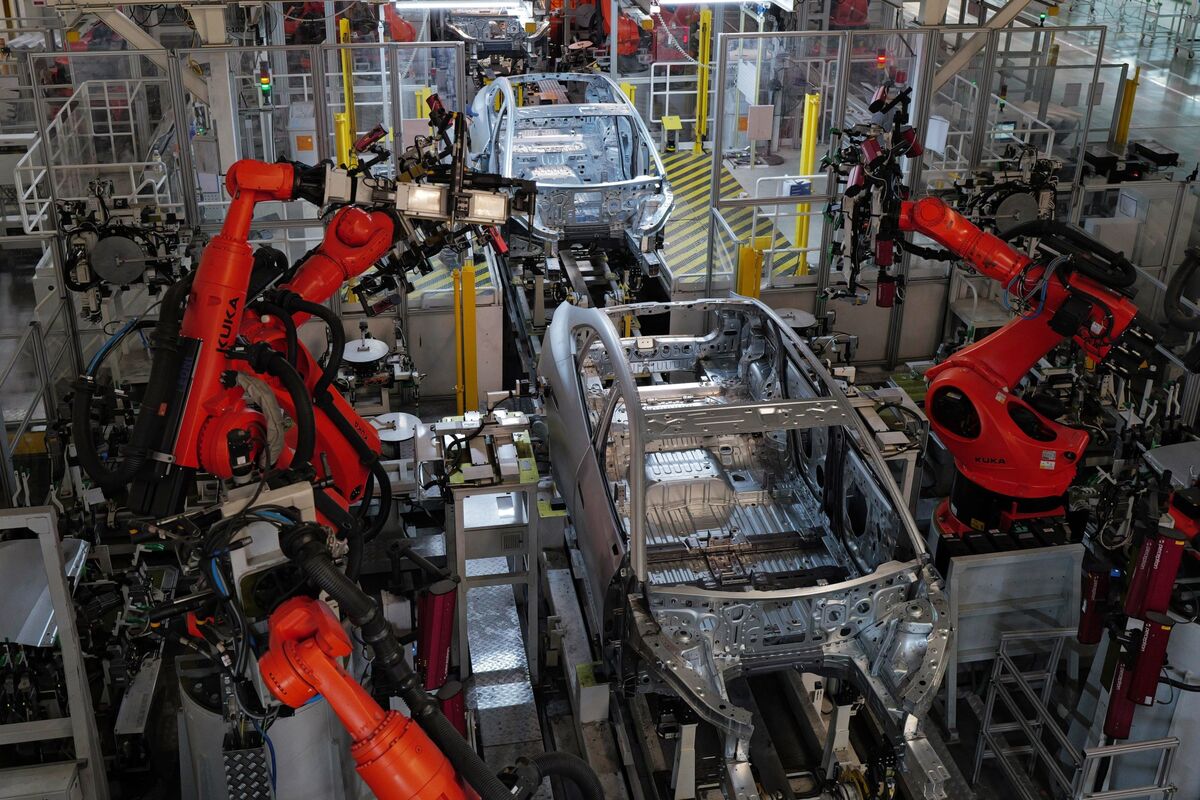
President Xi Jinping publicly questioned the widespread provincial investment in identical emerging sectors like artificial intelligence, computing power, and new-energy vehicles, a rare acknowledgment from the top leader. This trend, he noted, exacerbates domestic deflationary pressures and fuels international trade tensions, highlighting a structural economic challenge within China's industrial policy.
President Xi Jinping's public criticism of redundant provincial investments into sectors such as artificial intelligence, computing power, and new-energy vehicles represents a rare and significant high-level acknowledgment of a structural economic problem. This statement directly links China's industrial policy of encouraging local governments to foster emerging industries with two adverse macroeconomic outcomes: exacerbating domestic deflationary pressures through overcapacity and fueling international trade tensions via export gluts. The commentary, described as uncharacteristically blunt for China's top leader, signals a potential pivot in Beijing's approach to industrial strategy. It suggests a growing concern that uncoordinated, widespread investment is leading to inefficient capital allocation and creating systemic risks, potentially heralding a future policy shift towards consolidation and more disciplined, centralized oversight in these key technology and manufacturing sectors.
AI-powered research, real-time alerts, and portfolio analytics for institutional investors.
Request DemoOverall Sentiment
moderately negative
Sentiment Score
-0.60
