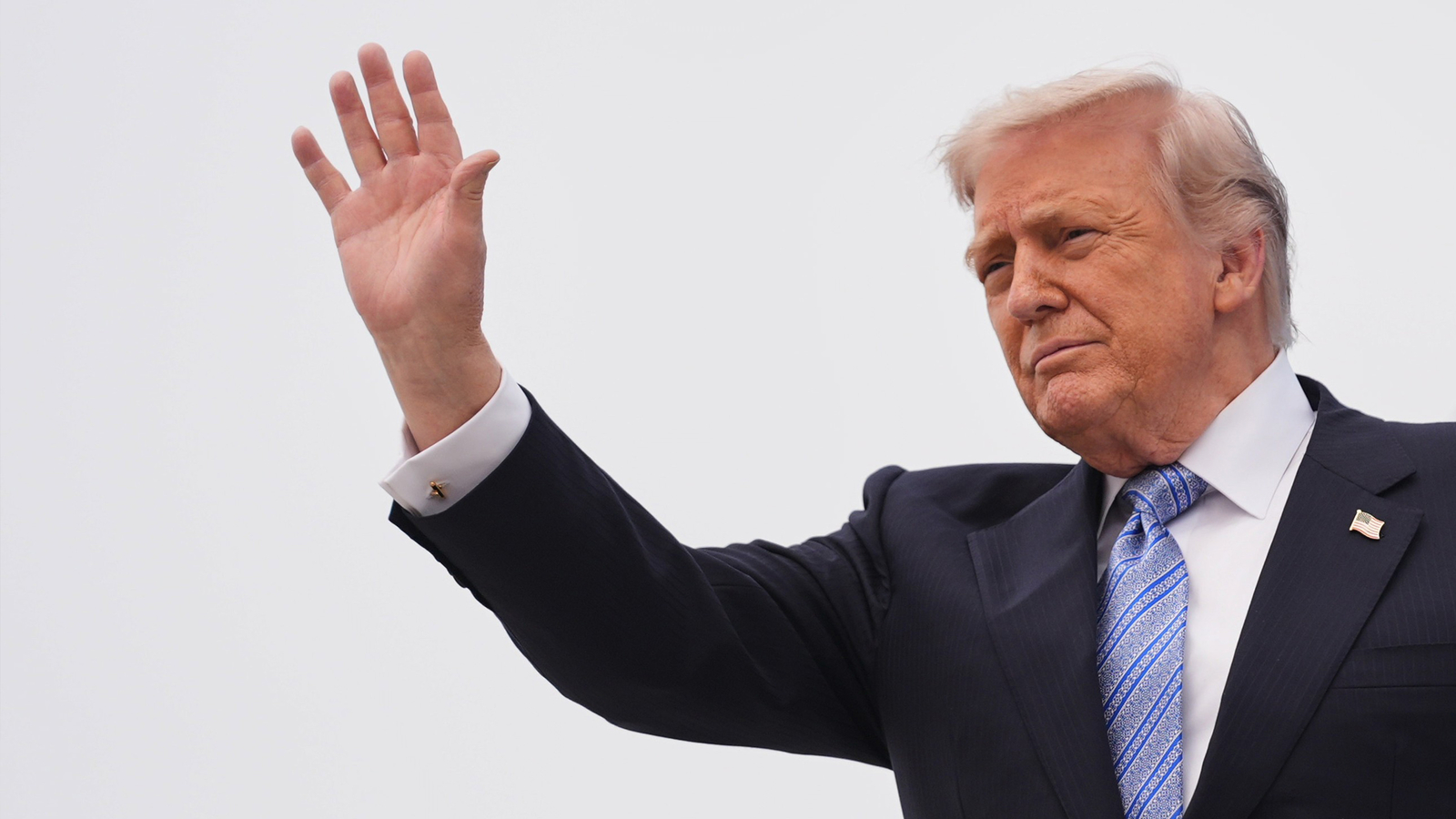
President Trump is expected to convene top national security advisers Tuesday in the Situation Room to discuss next steps on Iran, including the potential for new military action. The weekend meeting with Vice President JD Vance, Secretary of State Marco Rubio, CIA Director John Ratcliffe and Special Envoy Steve Witkoff underscores elevated geopolitical risk. The headline is supportive of defense/geopolitical volatility but is otherwise unquantified and event-driven.
The setup is less about a one-day headline and more about a regime shift in tail-risk pricing. When the market starts assigning a non-trivial probability to US kinetic action in Iran, the first-order move is usually in energy, but the more durable impact is in shipping insurance, airline fuel hedging, and defense procurement expectations. The key second-order risk is not just crude spikes; it is disruption to the Strait of Hormuz narrative, which can reprice global inflation expectations within hours and force rate-cut odds lower.
The market is likely underestimating how quickly this can propagate into defense and infrastructure names even without shots fired. A credible escalation path tends to lift demand for munitions, ISR, missile defense, and cyber/security spending long before budgets formally adjust, while also raising the cost of capital for emerging-market importers and energy-intensive industries. Conversely, if the administration uses the meeting to strengthen deterrence rather than proceed to action, the premium can unwind fast, making event-driven positioning more attractive than outright directional exposure.
The contrarian angle is that the market often overprices the immediate military outcome and underprices the de-escalation path through diplomacy or signaling. If the goal is coercive leverage, the peak risk window is likely days to a couple of weeks, not months, and headlines can reverse sharply on a single diplomatic signal or intermediary channel. That argues for paying for convexity rather than leaning too hard into spot beta, especially since a full-scale supply shock is still a tail outcome rather than base case.
AI-powered research, real-time alerts, and portfolio analytics for institutional investors.
Request DemoOverall Sentiment
mildly negative
Sentiment Score
-0.20
