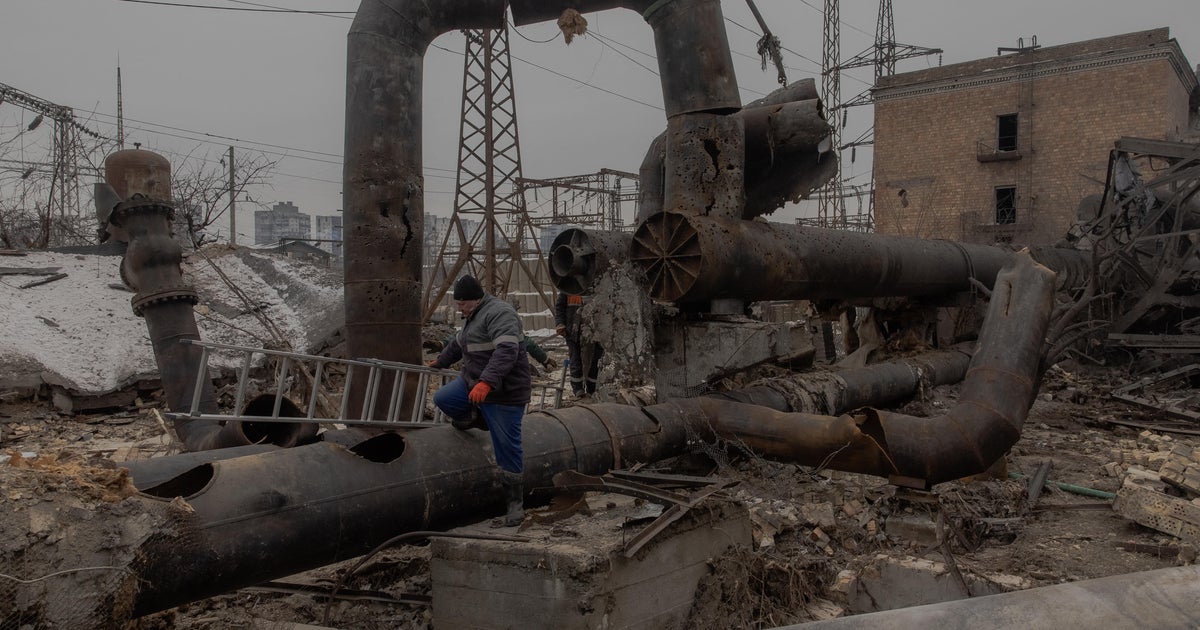
Trilateral peace talks between the U.S., Ukraine and Russia resumed in Abu Dhabi but momentum stalled after Russia launched a large-scale strike (reported 450 drones and 60+ missiles) that heavily damaged Ukrainian energy infrastructure and left 1,170 apartment buildings in Kyiv without heating. Key negotiating hurdles remain: Russia's demand for territorial concessions in Donbas and Ukraine's insistence on credible Western security guarantees; delegations are led by senior military intelligence figures (Kyrylo Budanov and Igor Kostyukov), suggesting technical discussions on security guarantees may progress even if political breakthroughs are unlikely. The strikes and ongoing negotiations increase near-term geopolitical risk, with potential implications for European energy security and defense-related exposures, keeping markets in a risk-off posture.
Market structure: Immediate winners are defence contractors and energy producers (oil/gas exporters); losers are Ukrainian and regional utilities, insurers and EM sovereign credit linked to Ukraine. Expect upward pressure on Brent/WTI (plausible +5–15% on sustained escalation over 1–3 months) and a pickup in realized and implied volatility in energy and defence options (VIX +5–10 pts tail). FX: safe-haven USD and CHF to strengthen; EUR/GBP pressured if energy flows tighten.
Risk assessment: Tail risks include major escalation (NATO supply interdiction, wider strikes on European grids) or a credible, quick ceasefire; both are low-probability/high-impact and would flip markets. Timeframes: immediate (days) = volatility spikes and flows into T-bills/Gold; short (weeks–months) = commodity price moves and defence contract repricing; long (quarters–years) = structural shifts in European energy sourcing and 5–15% higher defence budgets. Hidden dependencies: winter weather, insurance payout capacity, and repair-logistics for grid equipment.
Trade implications: Tactical plays should focus on 1–6 month option structures and small sized directional exposures: long Brent/WTI convexity, selective long defence equities with defined risk, and low-cost tail hedges (GLD/TLT). Use pair trades to neutralize beta (defence vs cyclical/utility). Enter immediately for 1–3 month volatility; scale into 3–6 month exposures if strikes persist.
Contrarian angles: Consensus may over-price permanent escalation; a negotiated pause or partial ceasefire would trigger a sharp unwind (defence and commodity downside of 15–30%). Historical parallel: 2014–15 saw defence spikes then mean reversion over 12–18 months. Unintended consequences include rapid sovereign-credit dislocations in frontier creditors and a forced rotation back into growth if energy dislocation proves transient.
AI-powered research, real-time alerts, and portfolio analytics for institutional investors.
Request DemoOverall Sentiment
strongly negative
Sentiment Score
-0.55
