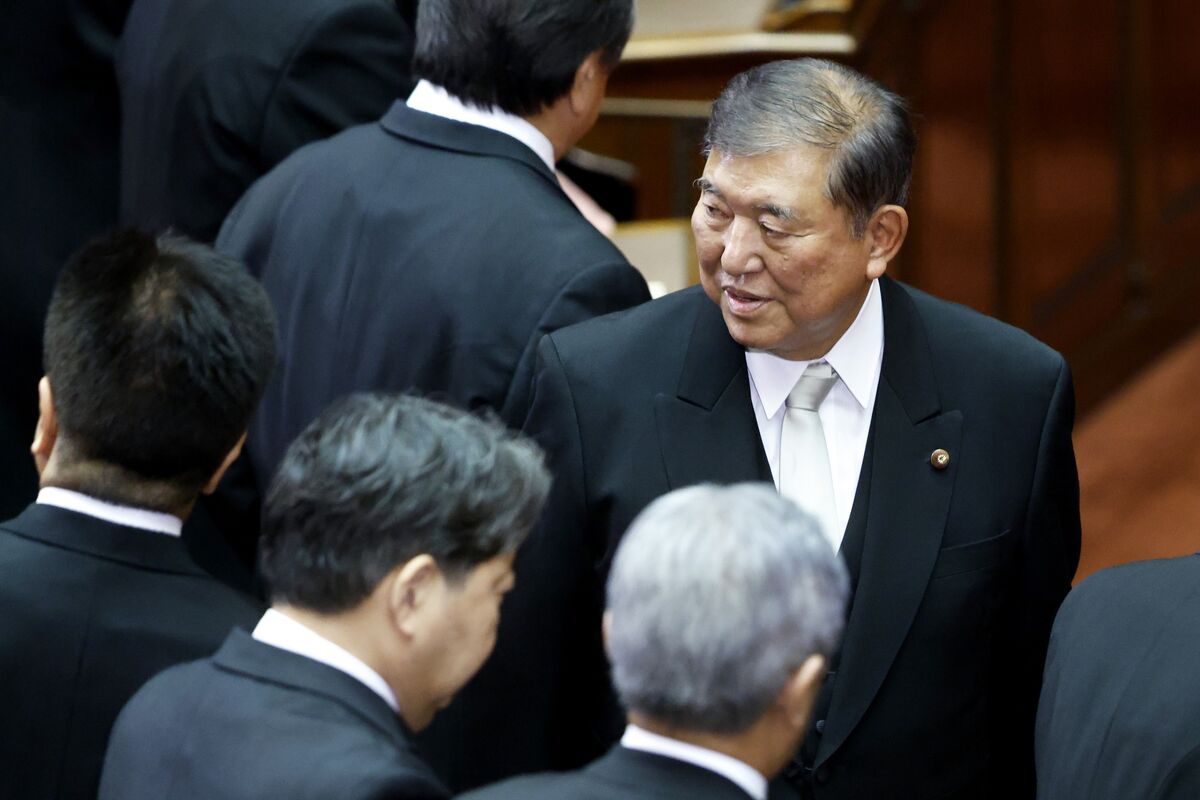
Japanese Prime Minister Shigeru Ishiba faces intensified internal party pressure and calls for his resignation following a dismal upper house election performance last month, which has significantly weakened his mandate and sparked leadership challenges. Despite this, Ishiba maintains his intent to remain in office, signaling continued political uncertainty within Japan's government.
The political standing of Japanese Prime Minister Shigeru Ishiba is facing significant internal pressure following a poor performance in last month's upper house election. This electoral setback has been interpreted as a weakening of his mandate, directly triggering calls for his resignation and creating a tangible leadership challenge from within his own party. The situation, characterized by a moderately negative sentiment and an uncertain tone, introduces a notable level of political risk into Japan's governance framework. Despite the internal momentum to replace him, Ishiba's stated intention to remain in office points towards a potential period of political instability, which could impede policy continuity and weigh on investor confidence until the leadership question is resolved.
AI-powered research, real-time alerts, and portfolio analytics for institutional investors.
Request DemoOverall Sentiment
moderately negative
Sentiment Score
-0.50
