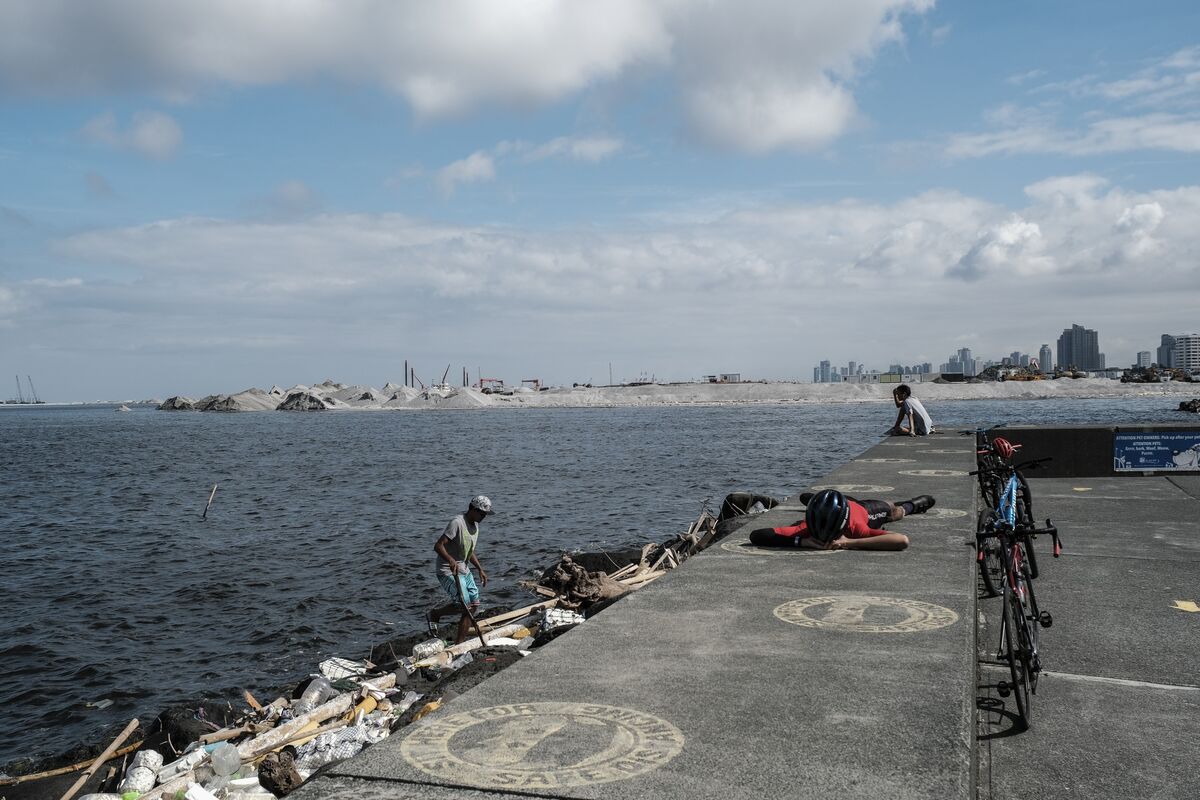
The Philippine government has deferred awarding a contract for a component of a proposed world-class marine bridge after local opposition raised national-security concerns about potential involvement by a Chinese company. The Asian Development Bank, which is financing and overseeing the project to ensure compliance with international environmental and governance standards, is conducting a thorough review of the proposals, according to the public works department. The delay highlights geopolitical risk and could push out timelines, affect prospective contractors and financiers, and inject uncertainty into a high-profile infrastructure program in the region.
Market structure: The delay shifts near-term prize away from Chinese SOEs toward non-Chinese bidders and local firms; expect 6–18 month re-bidding that favors Japan/Korea contractors and specialized marine engineers, while Chinese builders face short-term lost revenue and reputational/blacklist risk. Project capex (likely $2–5bn range for a world‑class marine bridge) being deferred reduces immediate steel/cement demand by a few percentage points regionally but concentrates future tender power in financially strong international EPC players.
Risk assessment: Tail risks include an expanded security-driven blacklist across ASEAN (low-probability, high-impact) triggering multi-year exclusion of Chinese contractors and retaliatory trade measures; another tail is ADB withdrawing financing if governance standards aren’t met, cancelling the project (months). In the near term (days–weeks) sentiment/FX moves; medium-term (3–12 months) contractor repricing and bidding cost inflation; long-term (1–3 years) structural shift to diversified supply chains and higher project insurance/premium margins.
Trade implications: Tactical short bias on HK/Shanghai-listed Chinese construction SOEs and selective long exposure to Japan/Korea heavy civil names and Philippine non-Chinese contractors; consider 3–9 month plays with targeted stop-losses and defined option hedges. Cross-asset: favor short PHP (USD/PHP long) for 1–6 months on potential FDI slowdown, modest bearish tilt to regional steel/cement suppliers for the quarter, and buy tail-protective put spreads on exposed Chinese names rather than naked shorts.
Contrarian angle: Consensus treats delay as purely negative for the Philippines but underestimates ADB oversight as a de‑risking event that can unlock premium Western/Japanese capital and lower long‑run governance risk — creating a 12–36 month re‑rating opportunity for qualified local partners. If ADB conditions are met, expect a sharp reversal: non-Chinese contractors and Philippine suppliers could capture 20–40% of originally Chinese-intended scope, producing outsized gains vs. beaten-down Chinese SOE names.
AI-powered research, real-time alerts, and portfolio analytics for institutional investors.
Request DemoOverall Sentiment
mildly negative
Sentiment Score
-0.25
