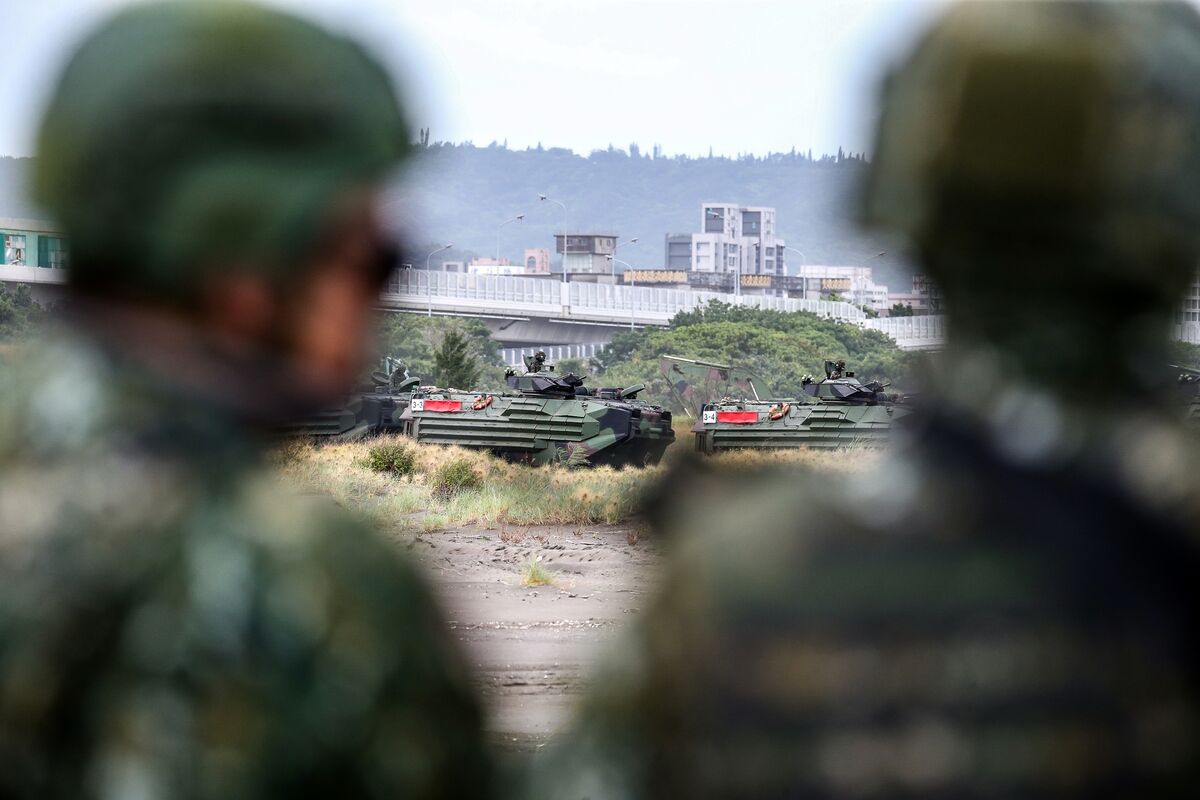
Taiwanese President Lai Ching-te announced the island's military spending is projected to reach 5% of GDP by 2030, signaling a substantial increase in its self-defense capabilities. This commitment underscores Taiwan's resolve to bolster its security against China and its intent to contribute to Indo-Pacific stability, a development that could have implications for regional geopolitical dynamics and defense sector investments.
Taiwanese President Lai Ching-te's public commitment to increase military spending to 5% of GDP by 2030 represents a significant and material shift in the nation's fiscal and defense policy. This announcement formalizes a long-term strategic pivot aimed at bolstering self-defense capabilities as a deterrent against China and signals a deeper alignment with regional security partners in the Indo-Pacific. The high market impact score of 0.65, despite a mixed sentiment reading, indicates that markets perceive this not as a speculative comment but as a concrete policy move that will heighten and institutionalize geopolitical tensions in the region. This multi-year fiscal commitment creates a substantial and durable demand tailwind for the global aerospace and defense industry, signaling a sustained procurement cycle for military hardware, technology, and infrastructure that will likely benefit both domestic Taiwanese firms and key international suppliers.
AI-powered research, real-time alerts, and portfolio analytics for institutional investors.
Request DemoOverall Sentiment
mixed
Sentiment Score
0.00
