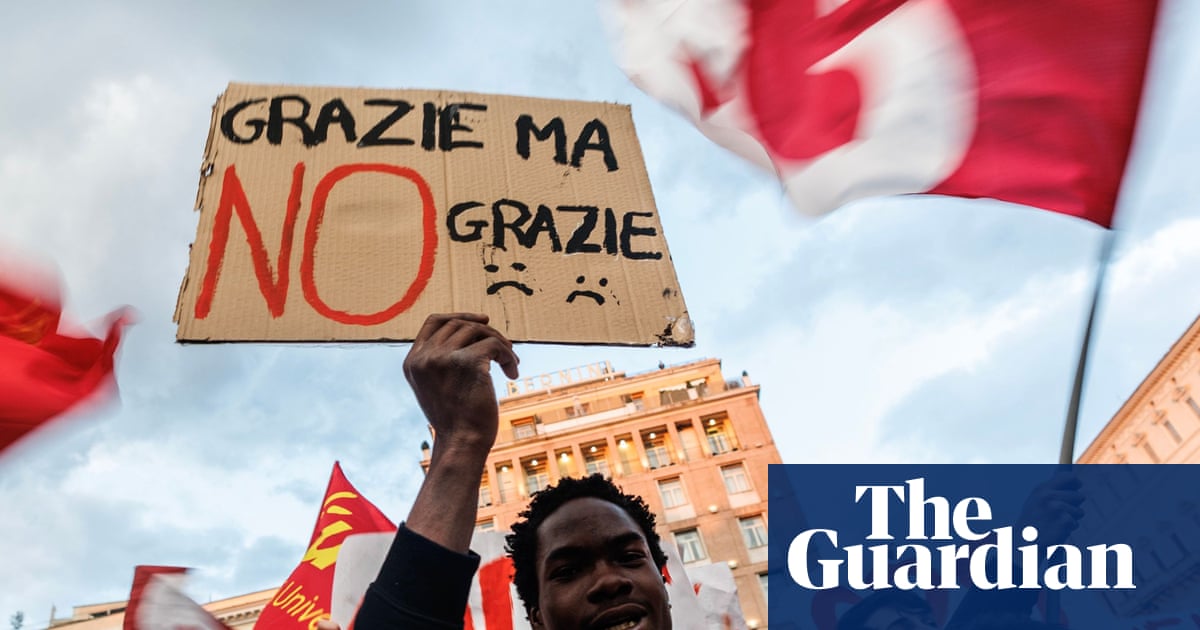
68.4% of 18–29-year-olds voted 'No' in the judicial-reform referendum, triggering the resignation of tourism minister Daniela Santanchè and fueling coalition turmoil for PM Giorgia Meloni. Resignations and leadership pressure in Forza Italia, plus Salvini's external manoeuvring, increase political risk and policy uncertainty ahead of the next general election due by October 2027. Meloni is pursuing energy diplomacy (gas talks with Algeria) while facing large protests, a dynamic that could raise investor caution and modestly widen Italy-specific risk premia in the near term.
The referendum fallout creates a compact window (days–weeks) of event-driven political risk that disproportionately pressures Italian sovereign spreads and domestically-focused cyclicals. Mechanically, a short-lived liquidity shock or headline-driven risk-off can widen BTP–Bund spreads by 30–80bp and knock 10–30% off small-cap and bank market caps before fundamentals reassert themselves.
Energy is the clearest policy lever to stabilize sentiment; a successful acceleration of Algerian gas flows would compress Italy’s gas premium to NW Europe by an estimated 10–30% in stressed months and improve margins for national energy champions. That path is binary and timing is 1–12 months: diplomatic/logistical setbacks or broader LNG price moves can erase the benefit quickly.
On a medium horizon (6–24 months) the failed judicial changes lower the odds of rapid regulatory capture, which is a structural positive for foreign direct investment into Italian infrastructure and large-cap export champions. The offset is continued coalition fragility that can delay fiscal consolidation and keep sovereign risk priced in — key reversal catalysts are an early election (low probability but market-moving), a large MENA escalation affecting energy, or a decisive policy push that restores coalition cohesion.
AI-powered research, real-time alerts, and portfolio analytics for institutional investors.
Overall Sentiment
mildly negative
Sentiment Score
-0.30
