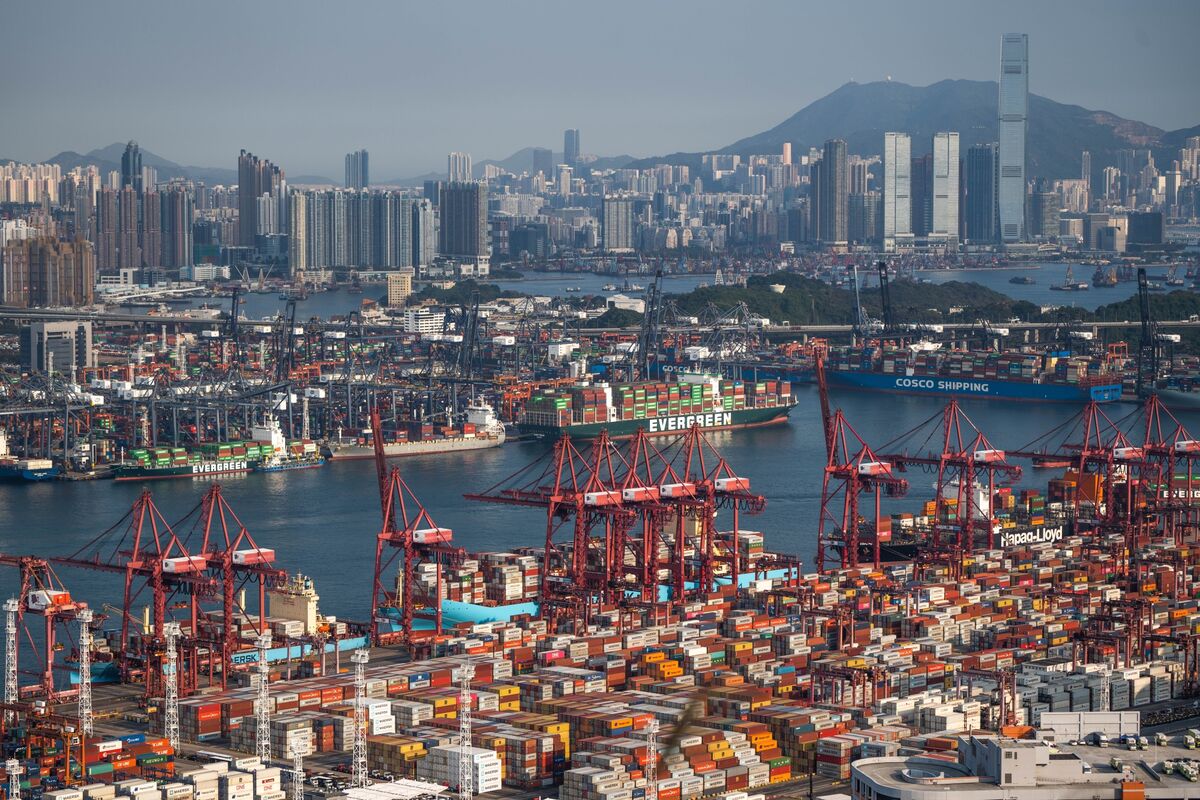
Hong Kong's economy expanded faster than anticipated in the second quarter, with Gross Domestic Product (GDP) growing 3.1% year-over-year, surpassing the 2.8% estimate. This stronger-than-expected performance was primarily driven by robust exports, as global companies frontloaded shipments to preempt potential tariffs.
Hong Kong's economy exhibited stronger-than-expected performance in the second quarter, with Gross Domestic Product (GDP) expanding 3.1% year-over-year, surpassing the 2.8% consensus estimate. This outperformance was not driven by broad-based organic growth but was instead attributable to a significant, and likely temporary, surge in exports. The primary catalyst for this export strength was the frontloading of shipments by global companies seeking to move goods ahead of potential tariff implementations. This behavior highlights the direct influence of global trade policy uncertainty on supply chain logistics and macroeconomic figures, suggesting the positive GDP surprise may not be indicative of sustainable underlying economic momentum and could precede a period of weaker trade data as inventories are drawn down.
AI-powered research, real-time alerts, and portfolio analytics for institutional investors.
Request DemoOverall Sentiment
Positive
Sentiment Score
0.75
