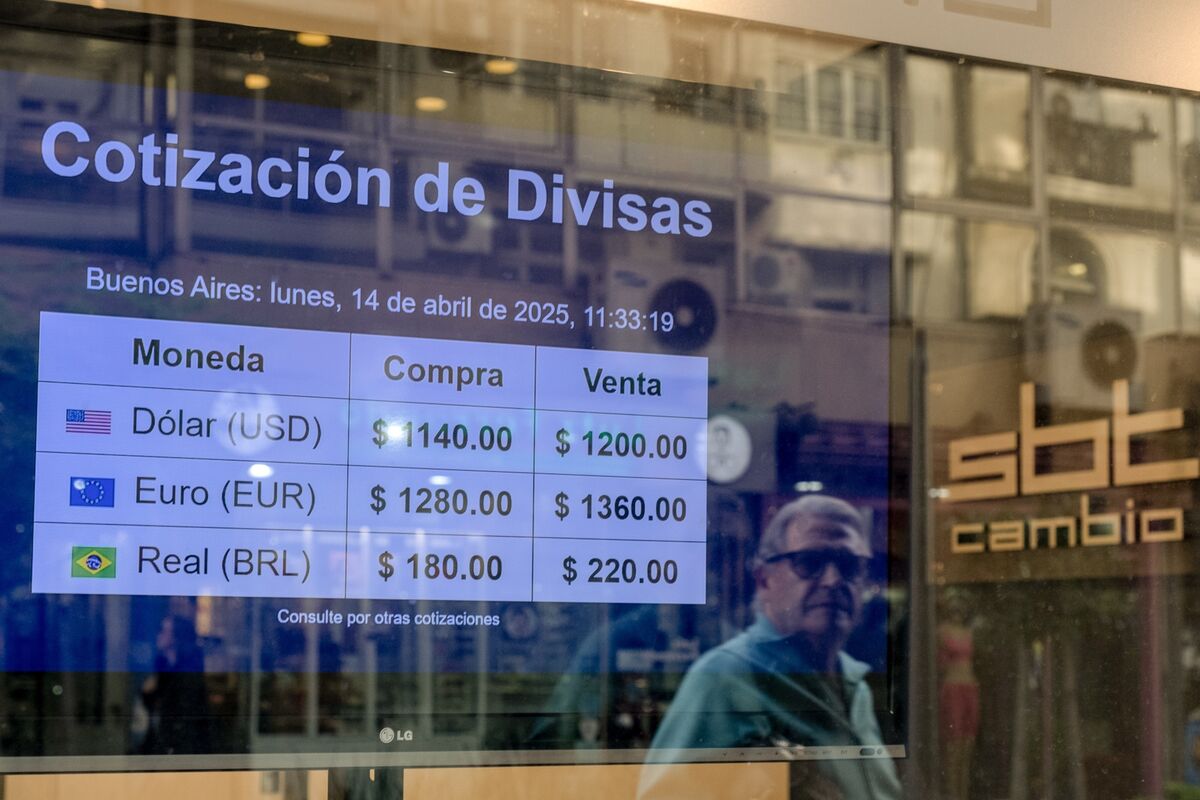
Despite a record influx of dollars from soybean exports, Argentina's peso surprisingly weakened by another 4%, extending its slide since April. This counterintuitive depreciation, occurring three months after President Milei lifted currency controls, signals waning investor optimism and growing caution among institutional players. Major firms, including JPMorgan, are unwinding peso-denominated Treasury notes, reflecting mounting concerns over Argentina's current account deficit and hedging against local assets ahead of October's midterm elections.
The Argentine peso's recent 4% depreciation, despite a record influx of dollars from soybean exports, signals a significant souring of investor sentiment and a structural shift in risk perception. This counterintuitive weakness, extending a slide that began in April, suggests that macroeconomic and political headwinds are now overwhelming the positive impact of commodity-driven foreign exchange flows. The initial optimism following President Javier Milei's removal of currency controls three months prior has demonstrably faded, replaced by caution driven by two primary factors: mounting concerns over the country's current account deficit and political uncertainty ahead of the October midterm elections. The move by institutional investors, specifically JPMorgan's decision to unwind its position in peso-denominated Treasury notes, serves as a potent indicator of this de-risking trend, confirming that sophisticated market participants are actively hedging against a further decline in Argentine assets.
AI-powered research, real-time alerts, and portfolio analytics for institutional investors.
Request DemoOverall Sentiment
strongly negative
Sentiment Score
-0.70
Ticker Sentiment
