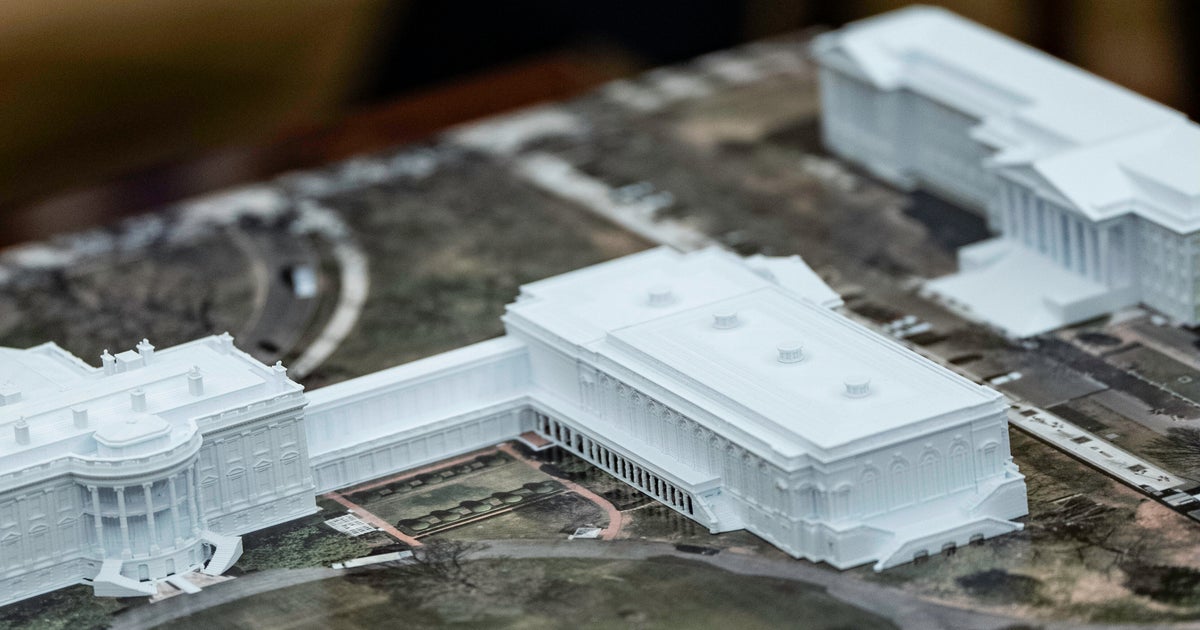
The White House is fast-tracking a donor-funded $400 million, 90,000-square-foot ballroom, submitting applications to the National Capital Planning Commission and the Commission of Fine Arts after Dec. 19 presentations and targeting public informational meetings in January with final reviews slated Feb. 19 (CFA) and March 5 (NCPC); above-grade construction is not expected before April 2026 and completion is projected for summer 2028. The project has generated legal and preservationist pushback—The National Trust sued over demolition of the East Wing, a judge declined an immediate halt but required NCPC engagement by end-2025—creating regulatory and litigation risk that could delay, alter or remove work if approvals or rulings run against the administration.
Market-structure: The $400M donor-funded ballroom is a concentrated, high-visibility project that directly benefits large federal contractors, engineering/architecture firms and heavy-material suppliers (incremental demand ~ $300–400M over 2–3 years). Winners: AECOM (ACM), Fluor/Turnaround contractors, aggregates (MLM, VMC) and heavy-equipment OEMs (CAT) for modest revenue upticks (<<1–2% of large-cap revenue) and localized pricing power for DC-area subcontractors. Broader markets (Treasuries, FX, oil) see negligible macro effect; construction-related commodity prices could see a small short-term bid (cement/aggregates +1–3%).
Risk assessment: Tail risks are regulatory (injunction forcing removal of buried work), donor withdrawal, or political reversal; probability medium but impact high for contractors (write-offs, contractual claims). Key horizons: immediate — Jan 8 & Jan 15 public meetings and court hearing this month; short-term — Feb 19 (CFA) and Mar 5 (NCPC) approvals; execution window — above-grade earliest Apr 2026 and completion summer 2028. Hidden dependency: CFA seat replacements and NCPC staffing tilt materially raise approval odds despite litigation.
Trade implications: Favor small, event-driven long exposures to select contractors via limited-duration call spreads (Jun 2026) sized 1–3% portfolio each; hedge with cheap 1–2% OTM puts ahead of Feb–Mar decisions. Pair trade: long ACM (AECOM) + MLM (Martin Marietta) vs short domestic mid-cap civil contractors with concentrated legal/regulatory exposure. Use options (buy Jun 2026 5–10% OTM call spreads; buy Feb 2026 7–12% OTM puts as insurance) to reflect binary outcomes around Mar 5.
Contrarian angles: Consensus underestimates litigation upside for preservation plaintiffs — a court-ordered teardown would create vendor clawbacks and reputational hits, temporarily compressing multiples of contractors with DC revenue >5%. Historical parallel: White House perimeter fence and Fed HQ projects show approvals can be delayed years; market often underprices multi-month political/legal slippage. If approvals proceed on schedule, small-cap contractors could rerate; if blocked, forced write-downs present tactical short opportunities.
AI-powered research, real-time alerts, and portfolio analytics for institutional investors.
Request DemoOverall Sentiment
mildly negative
Sentiment Score
-0.25
