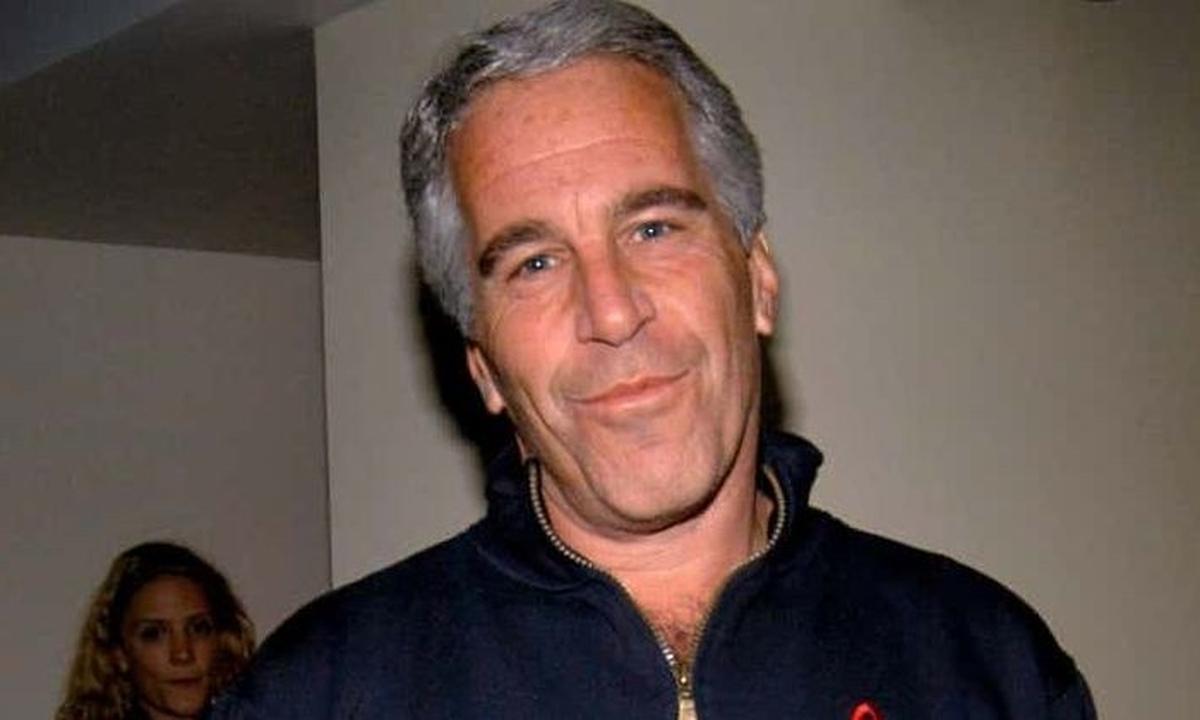
DOJ-released documents show New York real estate billionaire Andrew Farkas exchanged nearly 2,000 emails with Jeffrey Epstein over more than a decade, including a 2010 note calling Epstein "one of the blessings" in his life. The files allege collaborative business activity—such as Farkas's Island Global Yachting in St. Thomas and a marina pursuit near Epstein's base—that tied into efforts to secure special tax treatment reportedly saving Epstein over $300 million; Farkas, who bought the Sheraton Times Square for $373 million, denies wrongdoing. A separate lawsuit alleges Farkas promised $900,000 plus a $3 million contingent payment tied to a buyback, intensifying reputational and legal scrutiny that could affect counterparties, lenders and donors.
Market structure: The disclosures create asymmetric winners—compliance, KYC and legal-data vendors (e.g., Thomson Reuters - TRI, RELX) and large diversified banks (JPM, BAC) that can absorb reputational flight—because demand for transaction transparency and custodial safety will rise. Losers are boutique private banks, wealth managers and opaque real‑estate sponsors and small-cap hospitality owners that rely on offshore/tax-haven structures; expect deposit/customer flight and financing cost re-pricings within days–weeks for exposed entities. Cross-asset: expect short-term widening in credit spreads for small regional banks (KRE) and junior HY (JNK) by 25–75bp; USD safe‑haven flows mildly supportive, limited commodity impact.
Risk assessment: Tail risks include a regulatory crackdown on USVI tax arrangements leading to retroactive tax liabilities >$300m for implicated parties and rapid asset seizures—plausible within 3–18 months if DOJ/civil suits broaden. Immediate (days) reputational hits can trigger litigation filings that widen credit spreads; medium-term (3–12 months) could force balance‑sheet restructuring for leveraged sponsors. Hidden dependencies: university endowment/ donor scrutiny and banking counterparty relationships could cascade into fund-level liquidity events; catalysts to watch: DOJ document dumps, civil suits, and island/regulatory changes.
Trade implications: Favor a 12‑month overweight to compliance/data vendors (TRI, RELX) with 1–2% portfolio weights; establish hedges by buying 3‑month put spreads on regional bank ETF KRE to capture potential 5–15% downside. Rotate out of concentrated small-cap hospitality/opaque private-RE names into large-cap, transparent lodging REITs (Host Hotels & Resorts - HST) within 30 days to reduce idiosyncratic reputational risk. Use options to limit downside: 3‑month put spreads on KRE (buy 10% OTM, sell 20% OTM) size 0.5–1%.
Contrarian angles: The market will focus on reputational headlines while understating structural revenue upside to compliance vendors—Panama Papers led to multi-year contract ramps for TRI/RELX historically (>>10% rev lift in 12–24 months). Conversely, selling small-cap regional banks outright may be overdone if no systemic contagion appears; if DOJ names only private individuals, the compliance vendors gain with little macro damage. Key unintended consequence: aggressive enforcement increases demand for third‑party compliance tools faster than regulation costs for large banks, creating a potential 15–25% stock re-rating opportunity for TRI/RELX over 6–12 months.
AI-powered research, real-time alerts, and portfolio analytics for institutional investors.
Request DemoOverall Sentiment
moderately negative
Sentiment Score
-0.45
