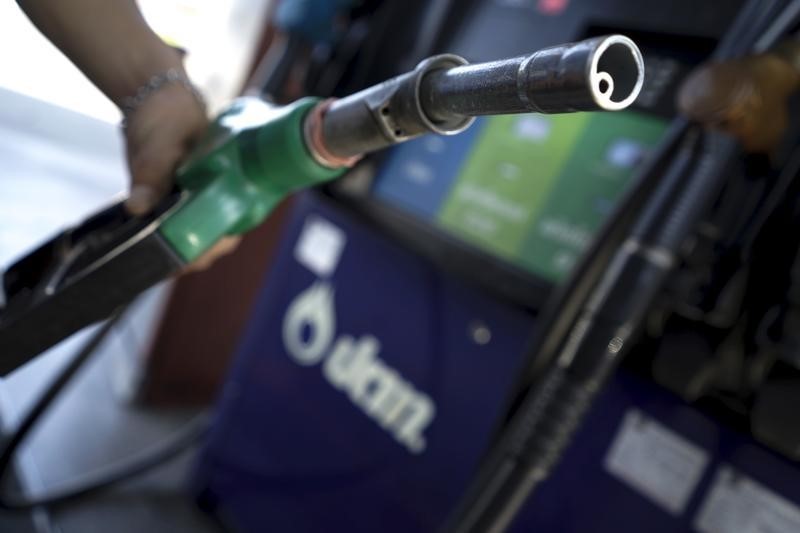
Eneos Holdings will buy Chevron’s 50% stake in Singapore Refining Company and additional Asia-Pacific assets for $2.17 billion, with closing expected in 2027. The deal expands Eneos beyond a declining Japanese petroleum market into higher-growth Southeast Asia. Separately, Eneos reported operating profit of 466.63 billion yen for the year to March 31, up 339.8% year over year.
This is less a near-term CVX catalyst than a slow-motion exit from a structurally lower-growth asset base. The strategic takeaway is that Asian downstream/distribution barrels are becoming more valuable to regional incumbents than to global majors, because local ownership can better capture demand growth, manage regulatory friction, and eventually optimize crude sourcing around Asian supply chains. For CVX, the sale supports portfolio simplification, but the market should not overread it as a bullish balance-sheet event given the 2027 close and the modest immediate cash impact relative to Chevron’s annual capital allocation. The second-order winner is the broader Asian refining and fuels ecosystem: the buyer gains optionality to squeeze incremental margin from Singapore as a trading hub while defending market share in faster-growing Southeast Asian end markets. The loser is long-dated exposure to mature OECD-style fuel demand; this is another data point that downstream assets in slower-growth developed markets will increasingly trade at a discount to embedded replacement cost. For integrated majors, it also reinforces that capital intensity is being reallocated toward upstream and LNG rather than legacy retail/refining footprints. The main risk to the thesis is timing. Because this closes in 2027, the equity reaction should be muted unless investors begin extrapolating a broader divestiture wave across non-core assets; otherwise the trade is more about sentiment than earnings. A meaningful reversal would come from a sustained oil-price collapse or a sharp China/Southeast Asia demand slowdown that undermines the buyer’s growth rationale and compresses regional refining multiples. Contrarian view: the market may be too focused on the headline divestiture and not enough on what it says about capital discipline. If Chevron can recycle non-core Asian assets into higher-return upstream projects or buybacks, the multiple impact could be more positive than the transaction itself suggests. But near term, that is a capital-allocation story, not a standalone earnings catalyst.
AI-powered research, real-time alerts, and portfolio analytics for institutional investors.
Request DemoOverall Sentiment
moderately positive
Sentiment Score
0.62
Ticker Sentiment
