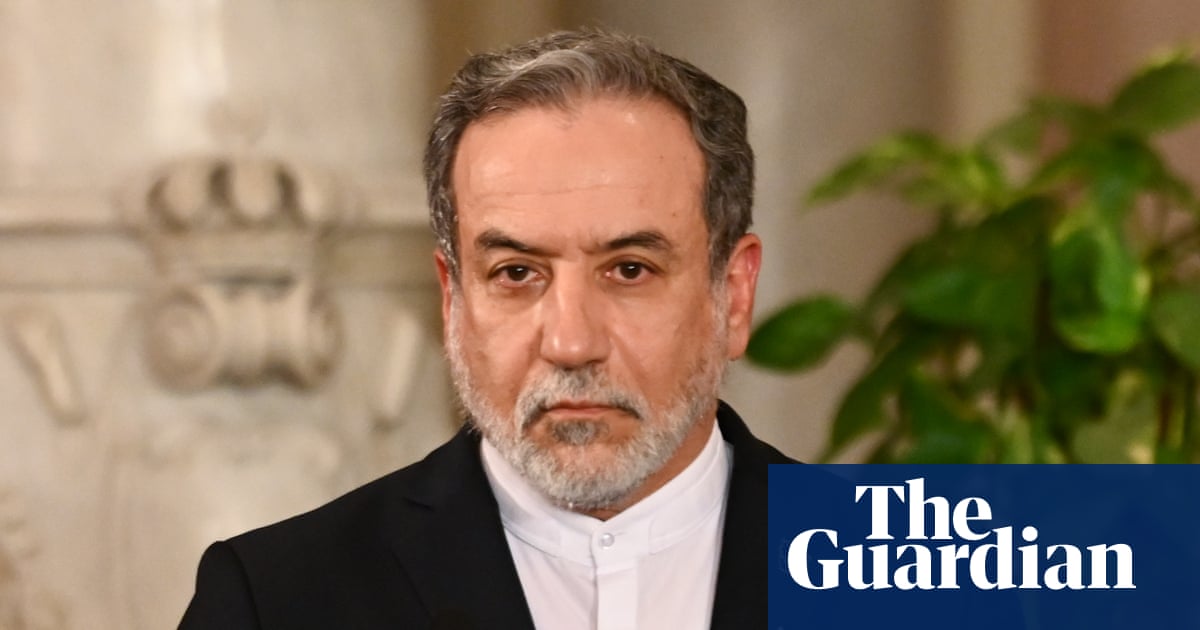
Large-scale UN sanctions on Iran are poised to snap back after European nations rejected Iran's limited offer for nuclear site access, despite Russia's anticipated failed attempt to defer the action at the UN Security Council. This development signals a significant deterioration in Iran-Western relations, raising concerns about potential internal political instability in Iran. The situation also increases the risk of Iranian hardliners withdrawing from the Nuclear Non-Proliferation Treaty, which could escalate regional geopolitical tensions and the threat of further military action.
The impending snapback of large-scale UN sanctions on Iran marks a significant escalation in geopolitical tensions, as Russia's final diplomatic attempt to secure a six-month deferral is expected to fail in the UN Security Council. European powers rejected Iran's last-minute proposal, which included limited access for IAEA inspectors to only one nuclear site and a 45-day timeline for a plan regarding its 400kg of highly enriched uranium, deeming it an unserious offer. This diplomatic failure signifies a serious deterioration in Iran's relations with the West and is creating internal political fallout, with recriminations directed at Iran's Foreign Minister for misjudging the situation and at the IAEA head for a perceived lack of substantive progress. The primary risk now shifts to the reaction from hardliners within Iran, who may push to end all cooperation with the IAEA or, more critically, withdraw from the Nuclear Non-Proliferation Treaty, a move that would substantially increase the probability of a military conflict, specifically mentioning the risk of a further Israeli assault.
AI-powered research, real-time alerts, and portfolio analytics for institutional investors.
Overall Sentiment
strongly negative
Sentiment Score
-0.80
